Author: Nicholas Olambo

  • The Unintended Rival: Yevgeny Prigozhin Challenge to Putin’s Presidency

    The Unintended Rival: Yevgeny Prigozhin Challenge to Putin’s Presidency

    Vladimir Putin, the long-standing ruler of Russia, has faced numerous challenges throughout his political career. However, perhaps one of his most unexpected adversaries has emerged in the form of Yevgeny Prigozhin, the enigmatic owner of the Wagner Group, a notorious private military contractor.

    Prigozhin’s trajectory from a loyal supporter to a potential presidential contender showcases a remarkable turn of events, with Putin unknowingly playing a pivotal role in creating his own enemy.

    Yevgeny Prighozin

    The Rise of Yevgeny Prigozhin

    Yevgeny Prigozhin, often dubbed “Putin’s Chef,” initially gained prominence through his catering business, which became a favorite of Russia’s political elite.

    His proximity to power allowed him to establish connections with influential figures within Putin’s inner circle.

    However, it was his foray into the private military contracting industry that set the stage for his transformation into a formidable opponent.

    The Wagner Group and Military Expertise

    Prigozhin’s ownership of the Wagner Group, a paramilitary organization known for its involvement in conflicts such as Ukraine and Syria, provided him with invaluable military expertise. The group’s operatives, often former Russian soldiers, demonstrated considerable tactical acumen, causing concern both domestically and internationally.

    Prigozhin’s close association with the Wagner Group allowed him to accumulate a wealth of knowledge in military affairs and covert operations, further solidifying his position as a potential threat to Putin’s regime.

    Dropping of Treason Charges and Exile

    In a surprising turn of events, the Russian government dropped all treason charges against Prigozhin, effectively granting him a reprieve. The decision to abandon these charges, whether influenced by political calculations or other factors, inadvertently provided Prigozhin with a sense of invincibility.

    Capitalizing on the opportunity, Prigozhin made the strategic move to seek exile in Belarus, a country known for its close ties with Russia, but one that maintains a certain level of independence.

    Yevgeny Prigozhin: Presidential Ambitions and Military Tactics

    Given Prigozhin’s intimate knowledge of military tactics acquired through his involvement with the Wagner Group, his potential return to challenge Putin in the 2024 presidential elections poses a credible threat.

    Prigozhin’s experience in managing covert operations, combined with his shrewd understanding of the Russian political landscape, could position him as a formidable candidate.

    The prospect of a self-made adversary, who has honed his skills on the battlefield, presents a unique challenge for Putin’s regime.

    Yevgeny Prigozhin

    Yevgeny Prigozhin and Implications for Putin’s Presidency

    Should Yevgeny Prigozhin decide to return to Russia and vie for the presidency, it would undoubtedly present a pivotal moment in the country’s political history.

    Prigozhin’s military background and connections within the power corridors could attract disgruntled factions within the Russian elite who have grown disillusioned with Putin’s regime.

    Furthermore, his populist rhetoric and promises of change could resonate with a significant portion of the Russian population dissatisfied with the status quo.

    Conclusion

    Vladimir Putin, unwittingly, played a crucial role in shaping Yevgeny Prigozhin into a potential rival for the presidency. Prigozhin’s ownership of the Wagner Group and subsequent exile in Belarus, coupled with his understanding of military tactics, have set the stage for a potentially dramatic showdown in the 2024 elections.

    Whether Prigozhin will indeed challenge Putin or if Putin’s regime will take preventive measures to neutralize this threat remains to be seen.

    However, one thing is certain: the emergence of Yevgeny Prigozhin as a political contender exemplifies the unpredictability and complexity of Russian politics.


  • Oscar Sudi Fake Academic Papers: A Betrayal of Trust and Integrity

    Oscar Sudi Fake Academic Papers: A Betrayal of Trust and Integrity

    In a shocking revelation that has sent shockwaves across the political landscape of Kenya, it has come to light that Oscar Sudi, the Member of Parliament for Kapseret constituency, has been masquerading with fake academic credentials.

    The very foundation of trust and integrity on which our democracy rests has been severely undermined by Sudi’s audacious deceit.

    As the nation grapples with political uncertainty and seeks leaders who exemplify honesty and competence, the exposure of Sudi’s false academic papers demands our attention and demands accountability.

    Oscar Sudi

    A House of Lies

    The facade of credibility that Oscar Kipchumba Sudi has constructed around his political career has now been exposed as a house of lies. It has been revealed that Sudi dropped out of school in Class Seven, casting serious doubts on his claim of any secondary education, let alone a college degree.

    This blatant misrepresentation of his educational background raises questions about his ability to effectively represent the people of Kapseret constituency, who placed their trust in him.

    A Betrayal of Constituents

    The people of Kapseret constituency elected Oscar Sudi to be their voice in the National Assembly, relying on his presumed qualifications and knowledge to address their concerns and uplift their lives.

    Sudi’s deception not only betrays the trust of his constituents but also undermines their hopes for progress and development.

    How can a man who fabricates his educational achievements be trusted to make informed decisions that shape the future of the constituency and the nation?

    The Erosion of Democratic Values

    The revelation of Oscar Sudi’s fake academic papers goes beyond his personal deceit. It strikes at the heart of our democratic system, which depends on the integrity and credibility of its representatives. When elected officials deceive the public by falsifying their qualifications, it erodes the very fabric of our democratic values. The consequences of such deception are far-reaching, eroding public trust and distorting the political landscape.

    Oscar Sudi Fake Academic Papers: A Mockery of Meritocracy

    In a society that aspires to meritocracy and equal opportunities, Oscar Sudi’s falsified academic credentials are an insult to hardworking individuals who have strived to attain genuine qualifications.

    Sudi’s charade mocks the principles of fairness and undermines the belief that success should be earned through merit and genuine achievements.

    It sends a disheartening message to young Kenyans that hard work and academic integrity can be overshadowed by dishonesty and manipulation.

    The Urgent Need for Accountability

    The exposure of Oscar Sudi’s fake academic papers calls for swift and decisive action. It is imperative that the relevant authorities investigate this matter thoroughly and take appropriate legal action if necessary.

    The people of Kapseret constituency deserve a representative who upholds the highest standards of honesty and credibility, and the nation as a whole needs reassurance that those in power are held accountable for their actions.

    Oscar Sudi
    [Photo/Courtesy]
    Oscar Sudi’s fake academic papers represent a grave betrayal of trust, not only to his constituents but also to the ideals of democracy. His audacious deception undermines the integrity of our political system and erodes public trust in elected officials.

    The exposure of Sudi’s falsehoods should serve as a wake-up call for the nation to demand greater transparency, accountability, and ethical conduct from those who seek to represent us.

    It is only through holding individuals like Sudi accountable that we can safeguard the principles that underpin our democracy and work towards a better future for all Kenyans.

  • CS Moses Kuria: A Scandal-Plagued Legacy of Corruption and Contempt

    CS Moses Kuria: A Scandal-Plagued Legacy of Corruption and Contempt

    CS Moses Kuria, the Minister for Trade, Industry, and Investments in Kenya, has become a symbol of disgrace and corruption.

    As he faced the Senate to respond to queries regarding the pre-qualification of companies for importing commodities through the Kenya National Trading Corporation (KNTC), Kuria’s misdeeds came under intense scrutiny.

    CS Moses Kuria
    Ministry of Investments, Trade and Industry CS Moses Kuria. [Photo/Courtesy]
    Not only is he accused of corrupt practices and flouting procurement laws, but he has also stooped to using vulgar language and launching personal attacks on media outlets that dared to expose his transgressions.

    Kuria’s alleged corruption, unethical behavior, and overall incompetence have turned him into an embarrassment for himself and the entire country.

    CS Moses Kuria: Corruption Allegations and Brazen Disregard for Procurement Laws

    The pre-qualification process of companies for importing commodities through the KNTC is designed to ensure transparency and fairness.

    However, disturbing allegations have emerged suggesting that CS Moses Kuria exploited his position for personal gain, manipulating the procurement procedures to favor some controversial and fake companies.

    Such acts, if proven true, not only signify a grave betrayal of public trust but also showcase a blatant disregard for established laws meant to create a level playing field for businesses in Kenya.

    Blatant Favoritism

    Kenya’s Minister for Trade, Industry, and Investments, CS Moses Kuria, actively favored Check Puma Holdings, a company owned by President Ruto’s close ally, Mary Wambui.

    Wambui is a notorious figure associated with numerous major scandals, particularly those involving the embezzlement of public funds.

    Public Outrage and Calls for Kuria’s Resignation

    The public and opposition politicians allied to the Azimio outfit have rightfully unleashed a wave of condemnation against Moses Kuria, demanding his immediate resignation.

    CS Moses Kuria

    They argue that his actions undermine Kenya’s struggle against corruption, erode transparency efforts, and discourage foreign investments.

    Kuria’s alleged ethical lapses and blatant abuse of power reveal his unsuitability for public office, as he betrays the trust bestowed upon him by the electorate.


    Did Azimio Senators Walk Out As CS Moses Kuria Appeared In The Chambers?

    https://www.youtube.com/watch?v=v33P-ftKQ5o&ab_channel=InformerTube

    Senators allied to the Azimio La Umoja One Kenya coalition have clarified their reasons for leaving the Senate session on Wednesday. They walked out after Speaker Amason Kingi denied a motion to interrogate CS Moses Kuria regarding media attacks.

    Speaker Kingi stated that the motion did not adhere to the proper procedure for filing a motion in the House, as it violated the standing orders and was deemed inadmissible.

    Following their departure, the senators criticized the Senate for what they deemed as unconstitutional behavior.

    CS Moses Kuria

    They raised concerns about inviting Kuria to the Senate without a motion to censure him. Nairobi Senator Edwin Sifuna argued against allowing cabinet secretaries with “questionable conduct” to enter the Senate chambers.

    He highlighted that a court case has already been filed seeking to prevent CSs from appearing before the chambers.

    Vulgar Language and Media Intimidation

    In a desperate attempt to salvage his tarnished reputation, CS Moses Kuria resorted to vile language and baseless attacks against NMG, a reputable media outlet that dared to shed light on his contravention of the law during the importation of controversial cooking oil.

    His vulgar outbursts not only violate the principles of a free press but also demonstrate a complete lack of professionalism and respect for the vital role media plays in upholding democratic values.

    Kuria, media slur and adverts threat

    Controversial Kuria issued a threat to take action against Nation Media Group, a prominent media organization in Kenya. His statement drew criticism from the Ethics and Anti-Corruption Commission (EACC) and numerous media stakeholders.

    As the Trade, Investment, and Industrialization minister, Kuria declared his determination to prohibit any government agency from advertising with the NMG in the future.

    Tarnishing ‘CS Moses Kuria’s’ Reputation and Kenya’s International Standing

    Moses Kuria’s alleged corruption, procurement irregularities, and offensive behavior not only cast a dark shadow over his own reputation but also undermine Kenya’s standing in the international community.

    Corruption remains an enduring problem in the country, and when a high-ranking government official like Kuria is implicated in such acts, it sends a deeply negative message to both domestic and international stakeholders.

    The allegations against Kuria jeopardize public trust in the government’s commitment to fighting corruption and building a transparent business environment, thereby tarnishing Kenya’s image as a whole.

    Reckless

    Media practitioners, along with other key stakeholders such as the Media Council of Kenya, Media Owners Association, Kenya Union of Journalists (KUJ), Kenya Editors Guild (KEG), and Political Journalists Association of Kenya (PJAK), individually expressed their strong disapproval of Moses Kuria’s statements.

    They condemned his remarks as reckless and unwarranted, demanding that he be held accountable for his use of “foul language.”

    Conclusion

    Moses Kuria, Kenya’s Minister for Trade, Industry, and Investments, has become a glaring example of corruption, contempt for procurement laws, and disregard for ethical conduct.

    The mounting calls for his resignation, from both the public and Azimio politicians, signify a collective outrage over his alleged transgressions.

    Kuria’s vulgar language and attacks on the media only reinforce the view that he is unsuited for public office.

    It is imperative that thorough investigations are conducted, and if the allegations are substantiated, swift action must be taken to uphold the rule of law and restore public trust in the government’s commitment to transparency and accountability.

    Moses Kuria’s legacy will forever be marred by corruption and his position as a symbol of disgrace in Kenyan politics.

  • Piki Piki Ponki Lawyer Stages Comeback with Oduol’s Case

    Piki Piki Ponki Lawyer Stages Comeback with Oduol’s Case

    The renowned lawyer Willis Otieno, also known as “Piki Piki Ponki Lawyer” has made a triumphant return to the public eye through his involvement in the high-profile case of Siaya Deputy Governor William Oduol.

    Ponky’s unexpected development has sparked intrigue and curiosity among legal professionals and the public alike, as they eagerly await the unfolding drama at the Senate.

    Piki Piki Ponki Lawyer

    Siaya Deputy Governor William Oduol is facing a Senate hearing after ward representatives removed him from office. The hearing is conducted by the Senate Special Committee, chaired by Senator William Kisang’ from Elgeyo Marakwet.

    The agenda for Wednesday’s hearing includes a conference of parties, the introduction of the Special Committee Members, Members representing the County Assembly of Siaya, and the council. The Deputy Governor and his counsel will also be introduced to the committee.

    The committee will read out the charges against the Deputy Governor and proceed to hear the evidence presented by the County Assembly of Siaya. On Thursday, June 22, 2023, the Deputy Governor will present his evidence.

    The County Assembly members unanimously voted to impeach Oduol due to gross misconduct, violation of the Constitution, and abuse of office. The Assembly Speaker, William Oduol, pronounced the decision on June 8, 2023, after giving the Deputy Governor an opportunity to be heard.

    Throughout the process, the Deputy Governor has the right to appear and be represented before the Senate committee to defend himself. If the committee finds no evidence supporting the allegations, the proceedings conclude.

    However, if evidence is found, the Senate will vote on the impeachment charges, ensuring a fair hearing for the Deputy Governor.

    If a majority of the Senate members vote in favor of the impeachment, the Deputy Governor will be removed from office. If the Senate rejects the impeachment charges, the Senate Speaker will notify the speaker of the respective county assembly.

    However, the same charges can be reintroduced before the assembly after three months if the Senate votes against the impeachment. If the Senate upholds the assembly’s impeachment, a vacancy will occur in the deputy governor position.

    In such a scenario, the responsibility falls on the county governor to nominate a new deputy within 14 days. The Members of County Assembly will then vote on whether to approve or reject the nomination within 60 days.

    The report by the Special Committee will be presented in the Senate during a Special sitting on June 26, 2023.

    Piki Piki Ponki Lawyer: Orengo Vs Oduol battle

    William Oduol finds himself embroiled in a heated feud with his boss, Governor James Orengo.

    The conflict stems from alleged plots to oust Oduol from the party, tarnish his reputation with corruption allegations, and even bribe MCAs to remove him from office.

    Governor Orengo’s actions are driven by his fear that Oduol could pose a formidable challenge in the upcoming 2027 elections. Determined to hinder Oduol’s future political aspirations, Orengo is leaving no stone unturned in his efforts to frustrate his deputy.

  • Influencer Andrew Tate Charged with Rape, Human Trafficking, and Organized Crime

    Influencer Andrew Tate Charged with Rape, Human Trafficking, and Organized Crime

    Controversial influencer Andrew Tate, along with his brother Tristan and two associates, has been charged in Romania with rape, human trafficking, and forming an organized crime group to sexually exploit women. All defendants have denied the allegations.

    The Tate brothers were initially arrested in December at their Bucharest residence. In March, they were granted house arrest following a ruling by a Romanian judge.

    According to the indictment filed with the Bucharest court, the four defendants allegedly established an organized criminal group in 2021 to carry out human trafficking in Romania, as well as other countries including the US and the UK.

    Andrew Tate


    The indictment identifies seven purported victims who were allegedly recruited by the Tate brothers using false promises of love and marriage.

    As part of the legal proceedings, the accused individuals have had their assets seized, including properties, cars, and over $300 million (£235 million) in cryptocurrency.

    The trial is not expected to commence immediately and is anticipated to span several years. A Romanian judge now has 60 days to review the case files before sending it to trial.

    A spokesperson representing Andrew Tate and the other defendants stated, “We welcome the opportunity to demonstrate their innocence.”

    Separate charges, including money laundering and trafficking of minors, are still under investigation and could result in a separate indictment.

    In 2016, Andrew Tate, a British-American former kickboxer, was removed from the British TV show Big Brother due to a video showing him apparently assaulting a woman.

    Subsequently, he gained notoriety online, with Twitter temporarily banning him for making controversial statements implying that women should “bear some responsibility” for sexual assault. He has since been reinstated.

    Despite being banned from various social media platforms, he amassed a following, particularly among young men, by promoting what he presented as a hyper-masculine and ultra-luxurious lifestyle.

  • Jua Cali’s UTU UZIMA Album Sets Milestone for Kenyan Genge

    Jua Cali’s UTU UZIMA Album Sets Milestone for Kenyan Genge

    The release of an album by an artist holds immense significance, as it represents a culmination of their creative journey and serves as a testament to their growth and artistry. In Kenya, the recent drop of Jua Cali’s fifth studio album, UTU UZIMA, carries special importance for Genge and Kenyan music.

    Not only is Jua Cali widely regarded as the King of Genge, a sub-genre of hip hop in Kenya, but this album also highlights the growing recognition of Genge music on a global scale, as it becomes eligible for consideration at the prestigious Grammy Awards.

    Genge

    1. Subgenre Celebrating Artistic Milestones

    The release of an album marks a significant milestone for any artist. It showcases their artistic evolution, allows them to experiment with new sounds, and provides a platform to express their creativity more comprehensively.

    Jua Cali’s fifth studio album, UTU UZIMA, serves as a testament to his enduring career and showcases his growth as an artist. With each album, artists like Jua Cali have the opportunity to refine their craft, explore new themes, and connect with their audience on a deeper level.

    1. Elevating Kenyan Music:

    The emergence of Genge music in Kenya has been a remarkable journey, capturing the essence of Kenyan street culture and urban life.

    Genge, characterized by its unique blend of hip hop, dancehall, and traditional Kenyan music elements, has been instrumental in shaping the country’s music landscape.

    The release of Jua Cali’s album signifies a major achievement for the Genge genre as a whole, as it is now recognized by the Grammy Awards.

    1. Genge Is Representing Cultural Identity

    Album releases by prominent artists like Jua Cali contribute to the representation and preservation of cultural identity. Kenyan music, with its diverse influences and regional flavors, plays a crucial role in telling the stories and experiences of its people.

    Through their albums, artists have the power to uplift their communities, shed light on societal issues, and share their unique cultural heritage with the world. Jua Cali’s UTU UZIMA not only resonates with Kenyan audiences but also has the potential to introduce Genge music to global listeners.

    1. Inspiring Future Generations

    The release of an album by an accomplished artist like Jua Cali inspires and motivates aspiring musicians. It serves as a reminder that with dedication, talent, and perseverance, one can achieve great milestones in the music industry.

    As artists break barriers and achieve recognition, they create a roadmap for the next generation to follow. Jua Cali’s album release sends a powerful message to aspiring Kenyan musicians, encouraging them to embrace their unique voices, explore new genres, and strive for excellence.

    Collage of Jua Cali, Clemo and Nonini [Courtesy/Standard]

    Conclusion

    The release of an album by an artist holds immense importance, symbolizing artistic growth, cultural representation, and inspiration for future generations. Jua Cali’s UTU UZIMA not only represents a personal achievement for the King of Genge but also marks a significant milestone for Genge music as a whole.

    The recognition of Genge by the Grammy Awards signifies the growing global appreciation for Kenyan music and its diverse genres. As artists continue to release albums and push boundaries, they contribute to the evolution and recognition of their respective genres, leaving a lasting impact on the music industry.

  • Harambee Stars Loss to Mauritius Highlights Challenges Facing Kenya’s National Team

    Harambee Stars Loss to Mauritius Highlights Challenges Facing Kenya’s National Team

    Harambee Stars’ recent defeat by Mauritius has once again brought to light the numerous challenges faced by the team.

    While setbacks in sports are common, the loss against a relatively lower-ranked team has highlighted two critical issues that have plagued Kenyan football for years: poor funding and the non-payment of allowances.

    In this article, we delve into these challenges and their impact on the performance and development of the Harambee Stars.

    Harambee Stars
    Image: Mozzartbet

    Poor Funding and Non-Payment Of Allowances Still A Major Obstacle

    One of the significant hurdles that Harambee Stars continuously face is the lack of adequate funding. Without sufficient financial support, the team struggles to compete at an international level and falls behind other countries in terms of training facilities, equipment, and overall infrastructure.

    The consequences of inadequate funding are far-reaching, affecting both the short-term and long-term prospects of the national team.

    Inadequate training facilities: Insufficient funds hamper the establishment of proper training facilities for the national team. Limited access to quality grounds, gymnasiums, and state-of-the-art equipment can hinder the players’ development and prevent them from reaching their full potential.

    Without a nurturing environment, the Harambee Stars find it difficult to compete against teams that have better resources at their disposal.

    Harambee Stars Coach
    Engin Firat: Harambee Stars Head Coach.

    Harambee Stars Lack Player development

    The lack of financial support also impacts player development programs. Proper training and coaching at the grassroots level are crucial for identifying and nurturing young talents.

    However, due to the lack of funds, the talent pool in Kenya remains largely untapped, and promising players often do not receive the guidance and support they need to progress to the national team.

    International exposure

    Competing in international tournaments is crucial for the growth and exposure of any national team.

    However, inadequate funding restricts the Harambee Stars’ participation in major tournaments, depriving the players of the opportunity to test their skills against top teams and gain invaluable experience.

    The limited exposure to high-level competition further hampers the team’s ability to improve and perform consistently on the global stage.

    Harambee Stars
    Courtesy of PD

    Non-Payment of Allowances: Undermining Player Morale

    Another persistent issue that has plagued the Harambee Stars is the non-payment of allowances. Players represent their nation with pride, and their commitment and dedication should be met with proper remuneration.

    However, delays and non-payment of allowances not only create financial hardships for the players but also have a detrimental effect on their morale and motivation.

    Financial stress

    Football players, like any other professionals, have financial obligations. When allowances go unpaid or are delayed, players find themselves struggling to meet their personal and family needs. This financial stress distracts them from focusing on their performance, ultimately affecting their on-field productivity.

    Eroded morale

    Constant non-payment of allowances leads to a sense of disillusionment among players. They feel undervalued and unappreciated for their hard work and sacrifices. This erosion of morale can have a cascading effect on team dynamics, player commitment, and the overall performance of the Harambee Stars.

    https://www.youtube.com/watch?v=pBUJfEopFuE&ab_channel=DailyNewsKenya

    Attracting and retaining talent

    The non-payment of allowances can also deter talented players from committing to the national team. When players witness their peers experiencing financial difficulties and lack of recognition, it becomes harder to persuade them to represent their country.

    This situation ultimately weakens the player pool available for selection and undermines the team’s competitiveness.

    The Way Forward

    To overcome these challenges, urgent measures must be taken to address the issues of poor funding and non-payment of allowances. The government, football associations, corporate sponsors, and other stakeholders must collaborate to provide adequate financial support to the Harambee Stars.

    Increased funding should be allocated towards improving infrastructure, player development programs, and facilitating participation in international tournaments.

    Conclusion

    The affair featured a referee who made some questionable decisions against the Kenyans.

    However, some argue that Kenya’s quality is significantly superior to Mauritius, making it unlikely for them to lose. In fact, Kenya defeated Mauritius 5-2 in October 2015.

    Harambee Stars concluded the four nations tournament series on a disappointing note. The team suffered a 1-0 defeat to the hosts as Kengy Saramandif scored a goal in the 22nd minute.

  • Gachagua: Finance Bill Designed To Benefit Mt. Kenya Region

    Gachagua: Finance Bill Designed To Benefit Mt. Kenya Region

    Deputy President Rigathi Gachagua has expressed his optimism regarding the benefits the Mount Kenya region will receive from the proposals in the Finance Bill 2023. Speaking at a Farmers Field Day in Githunguri, Kiambu County, Gachagua highlighted the allocation of a significant amount of funds aimed at completing stalled development projects in the region.

    Gachagua emphasized the government’s commitment to addressing infrastructure challenges in the area, particularly in regard to roads. He stated, “If there is a region that has been considered in the Finance Bill, it’s Mount Kenya.

    Gachagua

    To start with, our Mau Mau roads had come to a standstill due to lack of funds. Additionally, projects in Kiambu and Githunguri were also halted. In this year’s budget, we have allocated Ksh250 billion, and now our roads will continue to be built.”

    The deputy president further highlighted the agricultural sector’s benefits, specifically for farmers in the region. He noted that the Finance Bill 2023 would zero-rate commodities such as animal feeds, resulting in reduced prices and increased benefits for farmers.

    Gachagua also mentioned the elimination of value-added tax (VAT) on tea and the zero-rating of tea packaging, illustrating the government’s commitment to supporting the tea industry.

    Expressing his gratitude, Gachagua acknowledged the lawmakers from the region for their overwhelming support of the Finance Bill 2023. Their votes in favor of the proposed law contributed to its success during the Second Reading in the National Assembly. Out of the 257 participating MPs, 176 voted in favor of the bill, with 81 opposing it.

    In addition to the financial benefits, Gachagua pledged to tackle cartels in the coffee and tea sectors, aiming to increase farmers’ income. By addressing the challenges posed by these cartels, the deputy president demonstrated the government’s commitment to supporting the agricultural community and ensuring fair practices within the industry.

    The Finance Bill 2023 has cleared the Second Reading and is now set for consideration by the committee of the whole House on June 20. The bill must be passed by June 30 to take effect on July 1.

    The proposed measures in the Finance Bill 2023 highlight the government’s focus on addressing key development and economic concerns in the Mount Kenya region.

    By allocating significant funds to infrastructure projects and implementing beneficial policies for farmers, the bill aims to enhance the region’s growth and prosperity.

    As the bill progresses through the legislative process, it is expected to receive further attention and scrutiny to ensure that the proposed benefits are effectively realized.

  • Kenya Kwanza: Debt Payments to Exceed Sh7 Trillion Over the Next Five Years

    Kenya Kwanza: Debt Payments to Exceed Sh7 Trillion Over the Next Five Years

    Kenya Kwanza administration has allocated a budget of Sh7 trillion to pay off debt during its first term, starting from July 1. This highlights the significant debt burden inherited from previous administrations.

    According to revised estimates from the Treasury, the cumulative cost of debt payments will amount to Sh7.071 trillion from the fiscal year 2023/24 to 2026/27. This indicates the impact of the heavy debt load.

    Spending on interest payments is projected to reach Sh3.42 trillion, while redemptions, which will likely be refinanced through new debt, are estimated at Sh3.65 trillion over the four-year fiscal cycle.

    Changes made in the second supplementary budget have increased the cumulative debt service costs, including the fiscal year ending on June 30, by a substantial Sh131.09 billion.

    Kenya Kwanza
    President William Ruto

    This reflects the impact of rising interest payments on external debt and redemptions over the medium term.

    Total debt service costs are expected to reach a record high of Sh1.802 trillion in the fiscal year ending June 2024, compared to the current amount of Sh1.385 trillion. This increase is primarily due to the redemption of a Sh279.7 billion ($2 billion) debut Eurobond, which matures on June 24, 2024.

    However, the debt service costs will gradually decrease thereafter, reaching Sh1.669 trillion in the 2024/25 fiscal year and Sh1.748 trillion in the financial year ending June 2026.

    Debt service costs in the 2026/27 financial year will amount to Sh1.768 trillion. Interest expenses will be Sh891.8 billion, and redemptions will be Sh876.5 billion.

    The majority of debt service costs are for repayments related to infrastructure projects carried out by the previous administration. The outstanding arrears for the Mombasa-Nairobi standard gauge railway project, for example, are Sh223.8 billion ($1.6 billion) as of June 30, 2022.

    These payments also include the redemption of a Sh125.9 billion ($900 million) Eurobond maturing on June 22, 2027. Additional debt service costs are due to persistent budget deficits, which require financing beyond domestic revenue.

    These upcoming interest payments are expected to put pressure on government revenues, consuming a significant portion of them.

    In contrast, the large redemptions will necessitate additional borrowing by the government to offset the arrears through refinancing.

    Kenya Kwanza
    National Treasury and Economic Planning Cabinet Secretary Njuguna Ndung’u.

    The Treasury plans to issue a new Eurobond to refinance the June 2024 maturity, and the process to settle the maturity has already begun.

    The Kenya Kwanza administration will seek financing to cover new deficits in subsequent budgets, starting with Sh718 billion in the new fiscal year.

    However, relying more on domestic funding in the fiscal cycle may affect the growth of private sector credit, as the government will be competing with businesses and households for bank loans.

    Net domestic borrowing is projected to be Sh586.5 billion in the 2023/24 financial year, with net foreign financing at Sh131.5 billion, representing an 18:82 mix compared to the improved mix of 48:52 at the end of June 2023.

    Despite the increasing debt service costs and persistent fiscal deficits, the government assures its ability to meet all maturities and interest payments. It aims to implement a fiscal consolidation policy primarily focused on expanding the tax base to generate higher tax revenues.

  • Spotify Ends Podcast Deal with Prince Harry and Meghan: A Shift in the Audio Landscape

    Spotify Ends Podcast Deal with Prince Harry and Meghan: A Shift in the Audio Landscape

    Spotify has announced the termination of its highly-publicized podcast deal with Prince Harry and Meghan Markle, formerly known as the Duke and Duchess of Sussex.

    The partnership, which was seen as a significant move in the podcasting industry, aimed to provide a platform for the couple to share their experiences, perspectives, and insights.

    This unexpected development raises questions about the dynamics of celebrity-driven podcasts and the challenges faced by streaming platforms in navigating complex content partnerships.

    Prince Harry and Meghan Markle

    Prince Harry and The Rise of Celebrity Podcasts

    Over the past few years, podcasts have become a powerful medium for individuals, including celebrities, to share their stories, passions, and expertise directly with their audience.

    With their ability to connect on a personal level and create intimate audio experiences, podcasts have offered celebrities an opportunity to engage with fans in an authentic and unfiltered manner.

    Recognizing this trend, streaming platforms like Spotify have actively sought out exclusive partnerships with high-profile figures to attract listeners and drive subscription growth.

    The Spotify-Podcasting Era

    Spotify, one of the world’s leading audio streaming platforms, has been at the forefront of the podcasting revolution.

    In recent years, the company has invested heavily in the podcasting space, acquiring popular podcast networks, signing exclusive deals with renowned hosts, and developing innovative podcasting technologies.

    The move to partner with Prince Harry and Meghan was seen as a major coup for Spotify, as it represented the streaming giant’s foray into the world of royalty and celebrity.

    The Prince Harry and Meghan Podcast

    In December 2020, Prince Harry and Meghan Markle unveiled their podcast series, “Archewell Audio,” through their production company, Archewell.

    The couple aimed to leverage the podcast platform to amplify diverse voices and share inspiring stories.

    The multi-year partnership with Spotify included a significant financial investment, promising a range of exclusive content from the couple, including interviews, panel discussions, and thought-provoking conversations.

    Unforeseen Challenges and the Termination

    Despite the initial excitement surrounding the Prince Harry and Meghan podcast, the partnership faced its fair share of challenges.

    The couple’s decision to step back from their royal duties, coupled with their candid interviews and public statements, had already made them a subject of intense scrutiny and controversy.

    Some critics accused the couple of exploiting their celebrity status and monetizing their position within the royal family.

    https://www.youtube.com/watch?v=x_xvemO3ql8&ab_channel=TimeLens

    These factors may have contributed to a decline in public interest and a potential disconnect between the audience and the content provided by the couple.

    Spotify’s decision to end the partnership can be seen as a strategic move to align its podcasting portfolio with changing market demands and audience preferences.

    As the podcasting landscape becomes increasingly competitive, streaming platforms like Spotify need to continually assess the value and relevance of their content offerings.

    While specific details about the termination remain undisclosed, it is evident that Spotify is recalibrating its podcasting strategy to focus on new opportunities and emerging voices.

    https://www.youtube.com/watch?v=me5uieg3ruw&ab_channel=CandaceOwensPodcast

    Implications for the Podcasting Industry

    The end of the Prince Harry and Meghan podcast deal serves as a reminder that the success of a podcasting venture cannot solely rely on the celebrity status of its hosts. It underscores the importance of content quality, relatability, and an authentic connection with the audience. The podcasting industry is evolving, and listeners are seeking engaging, diverse, and original content that resonates with their interests and values.

    Conclusion

    The termination of Spotify’s podcast deal with Prince Harry and Meghan Markle marks a significant shift in the audio landscape.

    It highlights the need for streaming platforms and content creators to continually assess their partnerships and adapt to evolving audience expectations.

    While the couple’s podcasting journey with Spotify has come to an unexpected end, it remains to be seen how they will explore other avenues to share.

  • Ali Kiba’s Kenyan Wife Amina Khalef Demands for Divorce, Tired of Disrespect

    Ali Kiba’s Kenyan Wife Amina Khalef Demands for Divorce, Tired of Disrespect

    In what has come as a shock to many fans and followers, Ali Kiba’s wife, Amina Khalef, has filed for divorce after four years of what seemed to be a blissful marriage. The couple tied the knot in 2018 amidst great fanfare and excitement, but it seems that behind closed doors, their relationship was far from perfect.

    In 2022, Amina filed for divorce at the Mombasa Kadhi Court, citing stress and neglect as the reasons for her decision. She also requested KSh 200,000 as monthly upkeep, indicating that she wanted to ensure financial stability for herself after the separation.

    The news of their impending divorce sent shockwaves through the entertainment industry, as the couple was often seen as a power couple with a strong bond.

    Amina Khalef took to Instagram to express her frustrations and the reasons behind her decision. In a lengthy post, she revealed that she was tired of the disrespect she had been experiencing as Ali Kiba’s wife, despite the fact that they were no longer together.

    Amina Khalef

    It was clear from her words that their separation had not been publicly acknowledged or fully understood, leading to a difficult and confusing situation for Amina Khalef.

    The post shed light on the challenges she faced as the wife of a popular musician.

    Amina explained that people failed to comprehend the complexity of their relationship because they were not yet legally divorced. She expressed her frustration at being treated as someone’s wife when the reality was that she was living a separate life from Ali Kiba.

    “I got out of your life to avoid pain and abuse, yet until this day, you do not want to grant me divorce, yet you are living like a free man doing as you please, yet you still let me live in your shadow as your wife (In the name of taking care of your brand as you said)….

    ….Kindly sign the divorce papers so that I get my divorce and everyone can live freely. Thanks.” 

    This revelation exposed a side of their relationship that the public was not aware of. Behind the glitz and glamour of their public appearances, there seemed to be underlying issues that gradually eroded their marriage.

    While it is impossible to fully understand the intricacies of their relationship based on a single Instagram post, Amina Khalef’s words hinted at a sense of unhappiness and disillusionment.

    Divorce is never an easy decision, especially for public figures who are constantly in the spotlight. The scrutiny and speculation from fans and the media can intensify the emotional toll of such a situation.

    It takes immense courage to publicly address the challenges faced in a marriage, and Amina’s decision to do so shows her strength in speaking her truth.

    https://www.instagram.com/p/CthHvP0Ly8B/

    As news of the divorce spread, fans and followers expressed their surprise and sadness at the end of a once-promising union. Many had admired Ali Kiba and Amina Khalef as a couple, and their split served as a reminder that even seemingly perfect relationships can crumble behind closed doors.

    While the divorce proceedings continue, it is important to respect the privacy and emotional well-being of both Ali Kiba and Amina.

    Divorce is a deeply personal matter, and it is crucial to remember that the individuals involved are going through a difficult and emotional time.

    As the public awaits further updates on this situation, it serves as a reminder that relationships, no matter how glamorous they may appear on the surface, are vulnerable to challenges and hardships. It is our responsibility as observers to offer support and empathy rather than speculation and judgment.

    Ultimately, Ali Kiba and Amina Khalef’s divorce highlights the importance of open communication, understanding, and mutual respect within a marriage.

    It is a reminder that behind the public persona of celebrities, they are also human beings with their own struggles and complexities.

  • Justice for Baby Leticia: The Tragic Consequences of Negligence at Equity Afya Lodwar Clinic

    Justice for Baby Leticia: The Tragic Consequences of Negligence at Equity Afya Lodwar Clinic

    In a heart-wrenching case that has shocked the nation, the untimely demise of baby Leticia at Equity Afya Lodwar Clinic has once again highlighted the dire consequences of medical negligence.

    It is an alarming reminder of the urgent need for justice and accountability within the healthcare system.

    The clinic’s refusal of an out-of-court settlement and its attempts to silence the grieving family with a meager sum of KSh 1 million only add insult to injury.

    It is imperative that we raise our collective voice in advocating for justice in this devastating case.

    Baby Leticia

    Baby Leticia: The Tragic Incident

    Baby Leticia’s story is a tragic one that no parent should ever have to endure.

    In the care of Equity Afya Lodwar Clinic, a facility trusted with the well-being of countless patients, the life of an innocent child was needlessly cut short due to negligence.

    The details of the case reveal a shocking disregard for proper medical procedures and a failure to provide the necessary care that could have saved her life.

    Call for Accountability

    It is the solemn duty of healthcare providers to prioritize the welfare and safety of their patients. In the case of baby Leticia, Equity Afya Lodwar Clinic failed in this fundamental duty.

    Such negligence should not go unpunished, as it not only causes immeasurable harm to individuals but also erodes public trust in the healthcare system.

    Justice for Baby Leticia means holding the clinic and its staff accountable for their actions, ensuring that those responsible face the full consequences of their negligence.

    It is disheartening to see that the clinic has refused an out-of-court settlement, which suggests an unwillingness to accept responsibility for their actions and compensate the grieving family justly.


    Silencing the Grieving Family

    Equity Afya Lodwar Clinic’s attempt to silence the bereaved family with a mere KSh 1 million settlement is nothing short of an insult.

    This paltry sum not only fails to acknowledge the magnitude of their loss but also undermines the value of human life.

    It is an affront to justice and a clear demonstration of the clinic’s disregard for the emotional and financial toll inflicted upon the family.

    The grieving family deserves compassion, support, and a fair resolution to their plight. Their pain should not be silenced or diminished through a mere financial transaction.

    Their cries for justice must be heard and addressed, and the responsible parties must be held accountable for their negligence.

    Baby Leticia: Advocating for Justice

    As a society, we must stand in solidarity with baby Leticia’s family and demand justice. We cannot allow such cases of negligence to be swept under the rug or settled for an inadequate sum.

    By advocating for justice, we send a strong message that the lives of innocent individuals are not expendable and that medical professionals must be held to the highest standards of care.

    “That the minor was injected with Potassium Chloride Concentrate is not in doubt. This can also be confirmed from the statements that the responsible persons have recorded with the DCI and CCTV footage obtained from the facility,” said Shadrack Muyesu, the managing partner at SM&M Advocates.

    Firstly, the concerned authorities, including the medical board and the judicial system, must thoroughly investigate the circumstances surrounding baby Leticia’s tragic death.

    Any individuals found responsible for negligence must face appropriate legal consequences to ensure justice is served.

    Secondly, it is crucial to raise awareness about the importance of patient rights and the need for stringent oversight in healthcare facilities.

    By supporting and strengthening medical regulatory bodies, we can ensure that negligence cases like these are prevented, and the safety and well-being of patients are prioritized.

    Conclusion

    The tragedy of baby Leticia’s untimely death at Equity Afya Lodwar Clinic demands our attention and action.

    We must not allow negligence to be brushed aside, nor should we accept a mere pittance as compensation for such a devastating loss.

    The pursuit of justice for baby Leticia is a fight for accountability, integrity, and the safeguard.

  • Raila Urges Government and Mungiki Militia to Seek Common Ground

    Raila Urges Government and Mungiki Militia to Seek Common Ground

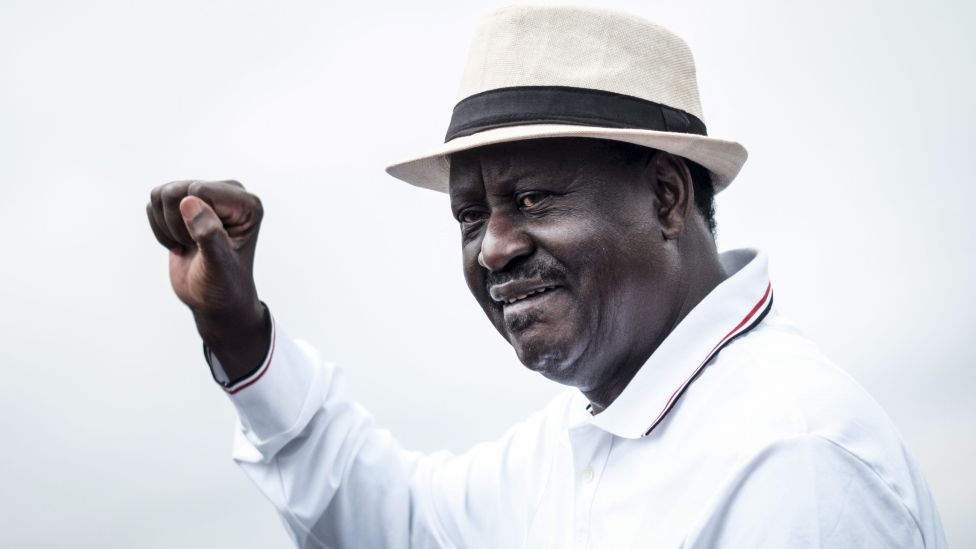
    Opposition leader Raila Odinga believes that the government should engage in negotiations with members of the Mungiki sect rather than resorting to violent means.

    Raila asserts that the Kenya Kwanza administration is leveling accusations without presenting concrete evidence to support their claims.

    Raila Odinga
    Raila Odinga. Image / BBC News

    Kenya has a long history of political tensions and conflicts that have often exacerbated the divide between the government and various opposition groups. One such group is the Mungiki sect, a secretive and controversial movement that has been involved in criminal activities and sporadic violence.

    However, in a surprising turn of events, Kenya’s opposition parties are now urging the government to engage in dialogue with the Mungiki militia, seeking a peaceful resolution to long-standing grievances.

    This article explores the significance of this unprecedented move and its potential implications for Kenya’s political landscape.

    Understanding The Mungiki Sect

    The Mungiki sect emerged in the 1980s as a religious and political movement among the Kikuyu people, Kenya’s largest ethnic group.

    Initially, the group aimed to promote traditional Kikuyu values, address social and economic inequalities, and challenge political elites.

    However, over time, the Mungiki sect transformed into a notorious criminal organization, engaging in activities such as extortion, drug trafficking, and even acts of violence.

    Government Crackdown and Raila’s Perspective

    Due to their criminal activities, the Mungiki sect has been subjected to a series of government crackdowns.

    Security forces have carried out operations to dismantle the group, leading to arrests, prosecutions, and occasional violent confrontations.

    Critics argue that the heavy-handed approach by the government has often resulted in human rights abuses and further radicalization of Mungiki members.

    In a surprising move, Kenya’s opposition parties, recognizing the need for a peaceful and inclusive society, have called for dialogue between the government and the members of Mungiki sect.

    They argue that sustained engagement and understanding of the underlying causes of the Mungiki movement are essential for finding lasting solutions.

    Raila Odinga’s standpoint is based on the belief that addressing the root socio-economic issues that drive individuals to join the Mungiki sect is paramount to fostering reconciliation and societal cohesion.

    https://www.youtube.com/watch?v=lUOgvVpMLZ0&ab_channel=Baringotvke

    Reasons for Raila’s Engagement

    1. Addressing Socio-Economic Inequalities: Kenya is grappling with significant socio-economic disparities, including unequal access to resources, land, and opportunities. The opposition argues that by addressing these disparities and ensuring inclusive development, the government can effectively curb the recruitment of disenchanted individuals into the Mungiki militia.
    2. Promoting Restorative Justice: The opposition’s approach emphasizes the need to shift from punitive measures to restorative justice, focusing on reconciliation, rehabilitation, and reintegration. By adopting this approach, the government can help Mungiki members to renounce violence and contribute positively to society.
    3. Building Trust and Reconciliation: Meaningful dialogue between the government and the Mungiki sect can help build trust and understanding. By creating platforms for open discussions and listening to the concerns of Mungiki members, the government can potentially deescalate tensions and foster a sense of belonging among marginalized communities.

    Challenges and Potential Implications

    Engaging with the Mungiki sect poses several challenges and risks. The militia has been involved in serious crimes, and any negotiations must be conducted carefully to ensure accountability and justice for victims.

    There is a delicate balance between addressing the root causes of the movement and avoiding the legitimization of criminal behavior.

    However, if successful, the engagement between the government and the Mungiki sect could have profound implications.

    It could potentially contribute to the rehabilitation and reintegration of former militia members into mainstream society.

    Moreover, by addressing the socio-economic grievances of marginalized communities, Kenya may witness a reduction in radicalization and a more inclusive political landscape.

    https://www.youtube.com/watch?v=8PZN-n2Ur_4&ab_channel=DailyNews

    Conclusion

    The opposition’s call for the government to engage in dialogue with the Mungiki sect marks a significant shift in Kenya’s political dynamics.

    By focusing on the root causes of the Mungiki movement and advocating for restorative justice, the opposition parties aim to bring about reconciliation, trust-building, and lasting peace.

    However, it is crucial for any negotiations to prioritize accountability and ensure that justice is served for victims of the Mungiki militia.

    Ultimately, the success of this dialogue will depend on the willingness of all stakeholders to engage in genuine and inclusive discussions, keeping the best interests of the nation at the forefront.

  • Elon Musk: Twitter to Be the Source of Most Accurate Info

    Elon Musk: Twitter to Be the Source of Most Accurate Info

    In a surprising turn of events, Elon Musk, the renowned entrepreneur and CEO of SpaceX and Tesla, has declared that Twitter, the popular social media platform, is set to become the primary source of the most accurate information available.

    This bold claim comes just over a year after Musk’s acquisition of Twitter, a move that raised eyebrows and generated skepticism among observers.

    Since taking over Twitter, Elon Musk has faced significant challenges in addressing the platform’s long-standing issues with disinformation and misinformation.

    The spread of false information, conspiracy theories, and the manipulation of public opinion have plagued the social media giant for years.

    Elon Musk

    However, Musk’s vision for Twitter appears to be driven by a desire to rectify these problems and revolutionize the way information is disseminated.

    Twitter has been under immense scrutiny due to its handling of disinformation, which has caused public trust in the platform to dwindle. But Musk believes that Twitter can be reimagined and transformed into a beacon of truth and accuracy.

    In a recent interview, he stated, “Twitter has the potential to become the most reliable and trustworthy source of information. Our goal is to create an environment where truth prevails and misinformation is actively countered.”

    To achieve this ambitious goal, Musk has initiated several initiatives within Twitter. One of the key approaches has been the implementation of advanced algorithms and artificial intelligence systems to identify and flag misleading content.

    These technologies analyze tweets in real-time, searching for patterns and indicators of potential misinformation. By using these tools, Musk aims to weed out false information swiftly and effectively, ensuring that accurate content takes precedence.

    Additionally, Musk has introduced a team of fact-checkers and experts from various fields to actively verify and debunk misleading claims on the platform. Their role is to ensure that accurate information is readily available to Twitter users and to provide context and clarity when needed.

    Musk envisions a collaborative effort between these experts, the algorithmic systems, and the Twitter community to create a self-regulated ecosystem of reliable information.

    However, it’s important to note that this endeavor is not without challenges. Twitter has a vast user base, and ensuring the accuracy of information shared by millions of individuals is a daunting task.

    Musk acknowledges the need for continuous improvement and adaptation, as disinformation tactics evolve and become more sophisticated.

    Critics of Musk’s vision for Twitter argue that the platform’s problems with disinformation run deeper than what technology and fact-checking can solve.

    They believe that systemic changes are necessary to address the underlying issues, such as the platform’s algorithmic bias and the manipulation of trending topics. These critics stress the importance of transparency, accountability, and ethical considerations in combating misinformation effectively.

    Nonetheless, Musk remains undeterred and optimistic about the future of Twitter. He believes that by leveraging the power of technology, engaging with experts, and fostering a community-driven approach, Twitter can gradually transform into a trusted source of accurate information.

    The journey to make Twitter the epitome of reliable information is undoubtedly an arduous one. It requires a delicate balance between protecting free speech and curbing the spread of misinformation.

    Ultimately, the success of Musk’s vision will depend on the continuous efforts made by Twitter’s team, the collaboration of experts, and the willingness of the Twitter community to embrace a culture of truth and accuracy.

    As Elon Musk leads the charge, only time will tell whether Twitter can indeed become the beacon of truth that he envisions. Until then, the world will watch with curiosity and anticipation to see if Musk can revolutionize the way we consume and trust information in the digital age.

  • KCB Launches Talent Offensive Against NCBA in Response to Safaricom’s Influence

    KCB Launches Talent Offensive Against NCBA in Response to Safaricom’s Influence

    John Okulo has been appointed as the director for corporate banking at KCB Bank Kenya, effective June 5. Telco giant Safaricom triggered a talent war in February, leading to this appointment.

    Mr. Okulo, a seasoned banker with 24 years of experience, previously served in a similar position at NCBA Bank.

    Annastacia Kimtai, the managing director at KCB Bank Kenya, expressed excitement about having John on board to drive the growth of their corporate banking franchise and contribute to the country’s growth agenda.

    Esther Masese Waititu, who held the position since 2021, has been replaced by Mr. Okulo. Esther joined Safaricom in February 2023 as the chief financial services officer.

    Ms. Waititu’s departure from KCB sparked a talent battle, resulting in the lender recruiting Mr. Okulo. He has been with CBA since July 2011 and continued his tenure after the merger with NIC to create NCBA in 2019.

    KCB
    John Okulo, the new director for corporate banking at KCB Group

    Mr. Okulo has an extensive background in the banking industry, having held various leadership positions.

    Previously, he served as the chief commercial officer at Commercial Bank of Africa (CBA), where he successfully managed the commercial operations of the bank.

    He also held the position of managing director at NC Bank Uganda and head of corporate and investment banking at Stanbic Bank Uganda.

    With a Master of Science in Economics from the University of Gdansk, Poland, Mr. Okulo has acquired a solid educational foundation. Additionally, he holds multiple global and local certifications, further enhancing his expertise in the field.

    In 1997, Mr. Okulo embarked on his banking career as a management trainee at Standard Chartered Bank Kenya. This early experience laid the foundation for his future success and growth in the industry.

    Currently, Mr. Okulo has joined the corporate banking division of KCB. This division specializes in providing a comprehensive range of financial products and services tailored to the needs of mid-to-large-sized corporates and public sector entities.

    To strengthen their technical and financial leadership, KCB has restructured its corporate banking division into sectoral lines. These sectors include manufacturing, industrials, infrastructure and energy, financial services, and the public sector.

    By aligning their services in this manner, KCB aims to drive excellence and specialization in each sector, better catering to the unique requirements of their clients.

  • Kabale Tache Arero Confirmed as NLC Boss

    Kabale Tache Arero Confirmed as NLC Boss

    Kabale Tache Arero has officially been confirmed as the new boss of the National Land Commission (NLC). Since 2018, Arero has been serving in an acting capacity, taking over after Tom Chavangi’s suspension.

    Her confirmation is expected to bring stability and continuity to the commission’s leadership.

    The National Land Commission plays a crucial role in overseeing land matters in Kenya. It manages and administers public land, investigates historical land injustices, and recommends appropriate redress measures.

    Additionally, the commission promotes the efficient, equitable, and sustainable use of land, which is essential for economic development and social harmony in the country.

    Kabale Tache Arero

    Arero’s confirmation merely reflects a lack of recognition for her leadership abilities and fails to acknowledge her commitment to fairness, transparency, and accountability in land management.

    She has been chosen based on political correctness, serving the interests of both political factions and Somali tycoons involved in business with high-ranking government officials.

    Track Record

    Kabale Tache Arero’s track record does not demonstrate her capability to lead the NLC and tackle the persistent land issues facing Kenya.

    Throughout her tenure as the acting boss, she failed to take decisive actions to resolve disputes, investigate corruption allegations, and enhance the efficiency of land administration processes. She lacks proper approach and commitment to promoting land rights.

    As the new boss of the National Land Commission, Arero will face various challenges that require her unwavering dedication and expertise. Strengthening the commission’s capacity, improving collaboration with other government agencies, and enhancing public participation in land management processes will be among her key priorities.

    Is confirmation of Kabale Tache Arero bad news for Kenyans?

    Arero’s confirmation as the substantive boss of the NLC does not mark a new chapter in Kenya’s land governance. She has not succeeded in guiding the commission to fulfill its mandate of promoting equitable and sustainable land use in the country.

    Her appointment does not represent a positive step towards effectively addressing land-related issues. Land resources play a crucial role in the overall development and well-being of all Kenyans.

  • Kenya Airways’ Debt Load Raises Concerns Among Potential Investors

    Kenya Airways’ Debt Load Raises Concerns Among Potential Investors

    Kenya Airways (KQ), the national carrier of Kenya, has been struggling to find buyers for its proposed equity stake sale. However, potential investors are expressing uneasiness over the airline’s heavy debt burden, which has become the biggest hurdle in the search for buyers.

    The airline’s precarious financial situation has raised concerns about its long-term sustainability and profitability.

    In this article, we explore the challenges posed by Kenya Airways’ debt load and the implications it has for the airline’s efforts to attract investors.

    Kenya Airways

    Kenya Airways Debt Burden

    Kenya Airways has been grappling with a substantial debt load for several years. The airline’s liabilities have been mounting due to factors such as fleet expansion, operational inefficiencies, high fuel costs, and increased competition.

    As of the knowledge cutoff in September 2021, the airline’s total debt stood at approximately $2 billion. Such a massive debt burden has a significant impact on the airline’s financial health and investor confidence.

    Implications for Investors

    Potential investors considering the equity stake sale of Kenya Airways are wary of the airline’s debt load for several reasons.

    Firstly, the debt burden limits the airline’s ability to invest in growth initiatives, modernize its fleet, and improve operational efficiency.

    These factors are crucial for any investor looking to generate a return on their investment in the long run.

    Secondly, the heavy debt load raises concerns about the airline’s ability to service its debt obligations, which include interest payments and principal repayments.

    If Kenya Airways is unable to meet these financial commitments, it could lead to defaults and further deteriorate its financial standing.

    This creates uncertainty for potential investors who are looking for stable and predictable returns.

    Furthermore, the debt burden affects the airline’s creditworthiness and access to financing options.

    Kenya Airways may face challenges in securing additional loans or favorable interest rates, which could hamper its ability to fund operations and future expansion plans.

    This adds another layer of risk for potential investors who seek a financially stable and sustainable investment opportunity.

    The Way Forward For Kenya Airways

    Addressing the heavy debt burden is essential for Kenya Airways to attract potential investors and improve its financial outlook.

    The airline has undertaken several measures to reduce costs, increase operational efficiency, and explore partnerships to alleviate its financial strain. However, these efforts may not be sufficient to alleviate the concerns of potential investors.

    To enhance its appeal to investors, Kenya Airways needs a comprehensive debt restructuring plan that includes renegotiating terms with creditors, exploring debt-for-equity swaps, and implementing cost-saving measures throughout its operations.

    Such initiatives would not only reduce the airline’s debt burden but also demonstrate its commitment to long-term financial sustainability.

    Moreover, the Kenyan government, as the majority shareholder, has a vital role to play in supporting the national carrier.

    It should provide a conducive regulatory environment, offer financial assistance, and facilitate strategic partnerships that can help revive Kenya Airways and make it an attractive investment opportunity.

    Conclusion

    Kenya Airways’ heavy debt load presents a significant challenge in its quest to attract potential investors through an equity stake sale.

    The debt burden restricts the airline’s ability to invest in growth, raises concerns about its financial stability, and adds uncertainty for investors seeking predictable returns.

    To overcome these obstacles, Kenya Airways must get rid of cartels and undertake comprehensive debt restructuring measures while receiving support from the government and exploring strategic partnerships.

    Only through such concerted efforts can the national carrier regain investor confidence and chart a sustainable path for the future.

  • Noordin Haji: MPs Disclose Net Worth at KSh. 466 Million as He Nears Appointment as Next NIS Director

    Noordin Haji: MPs Disclose Net Worth at KSh. 466 Million as He Nears Appointment as Next NIS Director

    Members of Parliament have revealed that Noordin Haji, the outgoing Director of Public Prosecutions, possesses an astonishing net worth of KSh. 466 million.

    The revelation comes as Haji is on the verge of assuming his new role as the Director of the National Intelligence Service (NIS) in Kenya.

    This disclosure has sparked widespread discussions and debates regarding the wealth accumulation of public officials and their suitability for high-ranking government positions.

    Noordin Haji

    Noordin Haji: A Wealthy Public Servant

    Noordin Haji, known for his reluctant pursuit of corruption and high-profile prosecutions during his tenure as the Director of Public Prosecutions, has found himself in the spotlight once again.

    This time, it is not for his legal acumen but for the significant wealth he has accumulated throughout his career.

    According to the disclosure made by MPs, Haji’s net worth stands at an impressive KSh. 466 million.

    While it is not uncommon for public officials to amass wealth over time, this revelation has ignited public curiosity and scrutiny about the sources of Haji’s wealth and its implications for his new role as the NIS Director.

    The Concerns and Questions

    The disclosure of the outgoing DPP Haji’s substantial net worth has raised several questions and concerns among Kenyans.

    Some argue that his wealth might be a result of legitimate business endeavors and investments.

    Others, however, question whether such wealth can be accumulated solely from a public servant’s salary and raises concerns about potential conflicts of interest.

    Given the sensitivity and confidentiality associated with the position of NIS Director, there are concerns about the potential influence that substantial personal wealth can have on decision-making and national security matters.

    Citizens and opposition politicians are calling for a thorough investigation into the sources of Haji’s wealth to ensure that it has not been acquired through any illegal or unethical means.

    Noordin Haji: Transparency and Accountability

    This revelation once again highlights the importance of transparency and accountability within the public sector.

    It is crucial for public officials, especially those in influential positions, to be able to demonstrate that their wealth is acquired through legal means.

    Transparency in wealth disclosure is necessary to build public trust and confidence in the integrity of those who hold public office.

    The disclosure of Haji’s net worth should serve as a catalyst for a broader conversation about the necessity of stricter regulations and oversight mechanisms in wealth accumulation by public officials.

    Stricter wealth declaration requirements, periodic audits, and stronger anti-corruption measures could help ensure that public officials’ wealth is obtained legitimately and that their interests do not conflict with their responsibilities.

    Conclusion

    As Noordin Haji prepares to assume his new role as Kenya’s next NIS Director, the revelation of his net worth at KSh. 466 million has ignited a debate on the accumulation of wealth by public officials.

    While Haji’s wealth could be a result of legitimate means, it is essential to address the concerns raised by this disclosure and ensure that the sources of public officials’ wealth are transparent and accountable.

    The government should take this opportunity to review existing regulations, strengthen oversight mechanisms, and promote greater transparency in wealth accumulation among public servants.

    Upholding integrity and demonstrating ethical conduct are essential qualities for those entrusted with leading national security agencies and serving the public interest.

  • The End of an Era: Italy’s Scandal-Hit Former PM Silvio Berlusconi Dies at 86

    The End of an Era: Italy’s Scandal-Hit Former PM Silvio Berlusconi Dies at 86

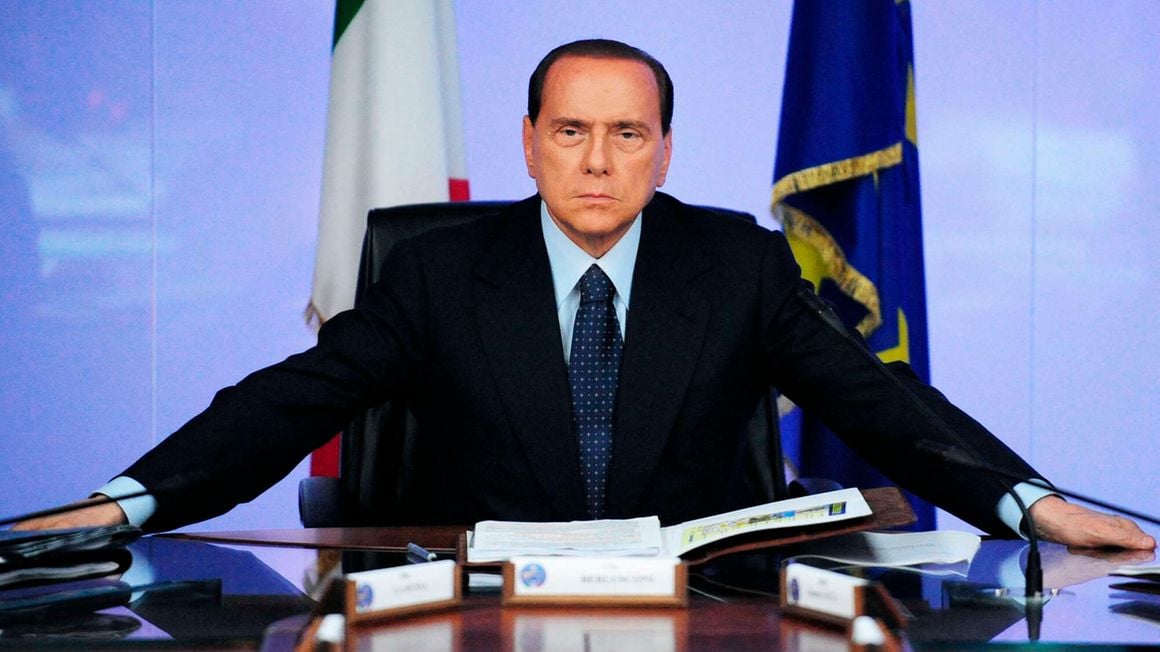
    Silvio Berlusconi, the charismatic and controversial former Prime Minister of Italy, passed away at the age of 86, marking the end of a political era.

    Known for his flamboyant personality, media empire, and scandal-ridden tenure, Berlusconi was one of the most polarizing figures in modern Italian politics.

    Despite his numerous legal troubles and divisive policies, he left an indelible mark on the country’s political landscape and shaped the dynamics of Italian governance for over two decades.

    Silvio Berlusconi
    Former Italian PM Silvio Berlusconi died on June 12, 2023 aged 86. PHOTO | AFP

    Silvio Berlusconi’s Legacy Is Marred by Scandals

    Berlusconi’s political career was characterized by a series of scandals that often overshadowed his policy initiatives. From tax fraud to bribery and sex scandals, the former prime minister was no stranger to controversy.

    Despite multiple trials and legal battles, he managed to maintain a significant support base among the Italian electorate, often attributing the charges against him to political witch-hunts.

    Media Empire and Populist Appeal

    Berlusconi’s rise to power was fueled by his vast media empire, which included television channels, newspapers, and publishing houses.

    Through his media outlets, he was able to shape public opinion and effectively control the narrative surrounding his political career.

    Berlusconi’s populist appeal and ability to connect with the Italian public made him a formidable force in Italian politics.

    His communication skills and promises of economic prosperity resonated with many voters, despite allegations of corruption and conflicts of interest.

    Economic Reforms and Mixed Results

    During his time in office, Berlusconi implemented several economic reforms aimed at boosting Italy’s stagnant economy. His policies focused on reducing taxes, cutting bureaucracy, and promoting business-friendly measures.

    While these initiatives initially garnered support and contributed to short-term economic growth, critics argued that they did not address deeper structural issues, such as unemployment and income inequality.

    Moreover, his handling of the global financial crisis in 2008 drew criticism for being insufficient and reactive.

    Political Instability and Coalition Governments

    Berlusconi’s tenure was marked by political instability and frequent changes in government. His coalition governments often faced internal divisions and infighting, leading to a lack of policy coherence and hindered progress on critical issues.

    Berlusconi’s personal dominance within his political party, Forza Italia, sometimes overshadowed collective decision-making, exacerbating tensions within the coalitions he led.

    Berlusconi’s Impact on Italian Politics

    Despite the controversies and shortcomings, Berlusconi’s impact on Italian politics cannot be underestimated. He transformed the political landscape by introducing a unique blend of populism, media manipulation, and entrepreneurial flair.

    His enduring presence challenged traditional political parties and established a new era of personality-driven politics in Italy.

    Berlusconi’s populist approach also laid the groundwork for the rise of other populist leaders in the country and contributed to the fragmentation of the Italian political spectrum.

    His tenure left a lasting legacy on the dynamics of Italian governance, raising questions about the country’s political institutions and the relationship between media and politics.

    Conclusion

    The death of Silvio Berlusconi marks the end of a chapter in Italian politics that was as divisive as it was influential. While his scandals and legal battles tarnished his reputation, his populist appeal and media empire ensured his longevity in politics.

    Berlusconi’s economic reforms and political style have left a lasting impact on the country, shaping the future of Italian governance.

    As Italy moves forward, it will be essential to reflect on the lessons learned from Berlusconi’s era and strive for a more transparent and accountable political system.

  • Kenyan DJ Brownskin Faces Serious Charges for Aiding Suicide

    Kenyan DJ Brownskin Faces Serious Charges for Aiding Suicide

    In a tragic turn of events, popular Kenyan DJ Brownskin finds himself in the midst of a legal battle, as he faces charges of aiding suicide. The renowned DJ, whose real name is Michael Macharia Njiri, stands accused of counseling his late wife, Sharon Njeri, to take her own life by consuming poison.

    The charges leveled against him are grave, and the case has sparked widespread shock and disbelief among the Kenyan public.

    This article delves into the details of the case, exploring the legal implications, societal impact, and the need for mental health awareness.

    DJ Brownskin

    The Allegations

    DJ Brownskin has been charged with three counts of aiding suicide, a crime that carries significant legal consequences in Kenya.

    The prosecution alleges that he counseled his late wife, Sharon Njeri, to end her own life by consuming a lethal substance.

    These allegations have sent shockwaves throughout the nation, as DJ Brownskin had been celebrated as a talented entertainer and role model within the Kenyan music industry.

    The Legal Implications Against DJ Brownskin

    Aiding suicide is a serious offense, and if DJ Brownskin is found guilty, he could face severe penalties, including imprisonment. Kenya’s laws regarding suicide and assisting suicide are clear and unequivocal.

    The country’s penal code explicitly states that anyone who aids, abets, counsels, or procures another person to commit suicide is liable to prosecution.

    The legal proceedings will determine whether there is sufficient evidence to support the charges against DJ Brownskin and ultimately determine his fate.

    DJ Brownskin Charges, Societal Impact & Mental Health Awareness

    DJ Brownskin
    Courtesy of The Star

    The case involving DJ Brownskin and the tragic death of his wife has highlighted the critical issue of mental health within Kenyan society.

    Mental health struggles, if left unaddressed, can have devastating consequences for individuals and their loved ones.

    It is a reminder that no one is immune to the effects of mental health challenges, regardless of their social status, fame, or success.

    This incident underscores the urgent need for increased mental health awareness, resources, and support in Kenya.

    It is essential that individuals struggling with their mental well-being have access to proper care and counseling.

    Additionally, there is a collective responsibility to break down the stigmas surrounding mental health issues so that individuals feel comfortable seeking help without fear of judgment or condemnation.

    https://www.youtube.com/watch?v=umeCFXhfisU&ab_channel=CathyGenesis

    The Role of Media and Public Figures

    The case of DJ Brownskin raises questions about the role of media and public figures in addressing mental health.

    Public figures often have significant influence over their fans and followers, and their words and actions can carry immense weight. The responsibility to exercise this influence responsibly and ethically cannot be underestimated.

    While it is important to remember that DJ Brownskin’s guilt or innocence will be determined by the legal proceedings, this case serves as a reminder to all public figures to prioritize empathy, compassion, and mental health awareness in their interactions with the public.

    Encouraging open dialogue, promoting professional help-seeking, and supporting mental health initiatives can play a crucial role in fostering a healthier society.

    Conclusion

    The charges against DJ Brownskin for aiding suicide have shocked the Kenyan public and sparked a necessary conversation about mental health awareness and support.

    This tragic incident serves as a stark reminder that mental health struggles can affect anyone, regardless of their outward success or public persona.

    As the legal proceedings unfold, it is crucial that society rallies together to promote mental well-being, provide support for those in need, and address the stigma surrounding mental health issues.