Category: Coronavirus

  • Moderna Inks Deal With Kenya To Establish A $500M Vaccine Making Plant In The Country

    Moderna Inks Deal With Kenya To Establish A $500M Vaccine Making Plant In The Country

    Moderna, Inc., a biotechnology company pioneering messenger RNA (mRNA) therapeutics and vaccines, today announced that with the assistance of the U.S. Government, it has entered into a Memorandum of Understanding with the Government of the Republic of Kenya to establish Kenya as the location for the Company’s mRNA manufacturing facility.

    Moderna is building this state-of-the-art mRNA facility in Africa with the goal of producing up to 500 million doses of vaccines each year. The Company anticipates investing up to $500 million in this new facility which will focus on drug substance manufacturing on the continent of Africa for the continent of Africa, and could also be expanded to include fill/finish and packaging capabilities at the site. In parallel, Moderna is also working on plans to allow it to fill doses of its COVID-19 vaccine in Africa as early as 2023, subject to demand.

    “Battling the COVID-19 pandemic over the last two years has provided a reminder of the work that must be done to ensure global health equity. Moderna is committed to being a part of the solution and today, we announce another step in this journey – an investment in the Republic of Kenya to build a drug substance mRNA manufacturing facility capable of supplying up to 500 million doses for the African continent each year,” said Stéphane Bancel, Chief Executive Officer of Moderna. “With our mRNA global public health vaccine program, including our vaccine programs against HIV and Nipah, and with this partnership with the Republic of Kenya, the African Union and the U.S. Government, we believe that this step will become one of many on a journey to ensure sustainable access to transformative mRNA innovation on the African continent and positively impact public health.”

    “Partnerships are key to our goal of deploying vaccines whenever and wherever they are needed,” said Noubar Afeyan, Moderna’s co-Founder and Chairman. “We would like to thank the Government of the Republic of Kenya for their support in bringing our mRNA manufacturing facility to Kenya, and thank the U.S. Government for assisting us in this process. We take seriously our critical role in combatting the COVID-19 pandemic and are determined to expand our global impact with our first manufacturing facility on the continent of Africa.”

    “We are pleased to partner with Moderna in the establishment of this mRNA manufacturing facility to help prepare the country and our sister states on the continent through the African Union to respond to future health crises and stave off the next pandemic,” said His Excellency Uhuru Kenyatta, President of the Republic of Kenya. “This partnership is a testament to the capabilities of our community and our commitment to technological innovation. Moderna’s investment in Kenya will help advance equitable global vaccine access and is emblematic of the structural developments that will enable Africa to become an engine of sustainable global growth.”

    “Kenya recognizes and appreciates the collaboration of Moderna in building our local manufacturing capacity. This will ensure as a country and region we can quickly respond to health demands requiring vaccine commodities,” said Sen. Mutahi Kagwe, Cabinet Secretary for Health of the Republic of Kenya.

    “Ending COVID-19 is a top priority of the Biden Administration and this can be achieved with increased global cooperation and investment. The agreement announced today between Moderna and the Government of Kenya to build a vaccine production facility in Kenya will not only contribute to ending this pandemic, but to long-term advancements in research and development on the African continent to combat future ones,” said Jose W. Fernandez, U.S. Under Secretary for Economic Growth, Energy, and the Environment.

    In its prophylactic vaccines modality, Moderna’s mRNA pipeline includes 28 vaccine programs including vaccines against respiratory viruses, vaccines against latent viruses and vaccines against threats to global public health.

  • Police Crackdown On Rogue Officials Behind Fake Covid-19 Test Results Scam, 12 Arrested

    Police Crackdown On Rogue Officials Behind Fake Covid-19 Test Results Scam, 12 Arrested

    Twelve more people have been arrested at the Jomo Kenyatta International Airport (JKIA) after producing fake Covid-19 results while attempting to travel to Saudi Arabia, as the government starts taking over testing of all travellers at the airport.

    All 12 who produced results alleging they came from CDC Nairobi Laboratory were arrested at the airport before being handed to Directorate of Criminal Investigations (DCI) detectives, who booked them to await their court cases.

    They were identified after the results they produced had fake Trusted Travel (TT) test certificates used to verify the authenticity of all Covid-19 test results produced at the airport.

    The move by the government is an attempt to seal the loophole of fake test results. Port Health has begun giving the antigen test at a fee of $20 (Sh2,268) for departures before they completely take over testing in the following weeks.

    Antigen test is a Covid-19 test that detects certain proteins in the virus. Using a nasal swab to get a fluid sample, antigen tests produce results in minutes.

    Health CS Mutahi Kagwe, while confirming the establishment of government laboratories at all points of exit and entry in the country, said decisive action had to be taken, given the increase in fake results in the few past days.

    Laboratories shut down

    “We do not want private labs on the scene until we are certain that there is no more funny business going on,” he said.

    A source at the Health ministry who spoke on condition of anonymity said following an audit that was conducted by the ministry last week, officials decided to start the process of taking over testing of all travellers at the airport.

    The source added that the ministry was also planning for a long term solution that will include a full molecular laboratory at the airport as is the case for countries such as Uganda, which tests departing and arriving passengers.

    So far, the ministry has shut down two laboratories in the country following various fake results at the airport.

    The two; Checkup Medical, and Meditest, among other private companies, have been handling PCR tests at airports. They have now been banned from doing so.

    The investigations arose after it was established that travellers from Nairobi were testing positive for Covid-19 after arrival in Dubai, despite carrying negative test results.

    Verification of labs

    In retaliation to the move by the Middle East nation to ban flights from Kenya, the country suspended all inbound and transit passenger flights from the United Arab Emirates (UAE). The ban came a few days after the UAE extended its Kenya flight ban.

    Matters surrounding the kits and verification of labs have also been an issue, with two departments within the ministry doing the same job.

    Kenya Medical Laboratory Technicians and Technologists Board (KMLTTB) is an agency mandated to license laboratory technicians in the country as well as regulate the conduct of laboratory functions. It is against the law for unlicensed personnel to test clinical samples.

    The Pharmacy and Poisons Board (PPB), which is charged with regulating the practice of pharmacy and trade in drugs, also authorises Covid-19 test kits that come in the country.

    Recently, staff of the China National Aero-technology International Engineering Corporation (Avic-KDN) who conducted tests on more than 20 employees in Kigumo, Murang’a County, were arrested.

    The tests were conducted by the human resources managers, who are not licensed or registered laboratory technicians. Upon investigations, the test kits were traced to a medical supplies company in a residential villa on Laikipia Road in Kileleshwa, Nairobi.

  • Cannabis Compounds Prevented Covid Infection in Laboratory Study

    Cannabis Compounds Prevented Covid Infection in Laboratory Study

    Cannabis compounds prevented the virus that causes Covid-19 from penetrating healthy human cells, according to a laboratory study published in the Journal of Nature Products.

    The two compounds commonly found in hemp — called cannabigerolic acid, or CBGA, and cannabidiolic acid, or CBDA — were identified during a chemical screening effort as having potential to combat coronavirus, researchers from Oregon State University said. In the study, they bound to spike proteins found on the virus and blocked a step the pathogen uses to infect people.

    The researchers tested the compounds’ effect against alpha and beta variants of the virus in a laboratory. The study didn’t involve giving the supplements to people or comparing infection rates in those who use the compounds to those who don’t.

    Hemp is a source of fiber, food and animal feed, and extracts are commonly added to cosmetics, body lotions, dietary supplements and food.

    “These compounds can be taken orally and have a long history of safe use in humans,” said Richard van Breemen, a researcher with Oregon State’s Global Hemp Innovation Center. “They have the potential to prevent as well as treat infection by SARS-CoV-2,” he said in a statement.-Bloomberg.

  • Covid-19: Dosage Of Viagra Wakes Up Woman From Coma

    Covid-19: Dosage Of Viagra Wakes Up Woman From Coma

    In a medical breakthrough, a nurse from the UK, who was fully vaccinated against the novel coronavirus, spent 28 days in a Covid coma fighting for her life and woke up after medics provided her with a dose of viagra as an experimental treatment.

    According to media reports in the UK, Monica Almeida was admitted to a hospital on November 9 after testing positive for COVID-19 on October 19.

    However, after getting admitted, she lost her sense of taste and smell in four days; she began coughing blood, and her oxygen levels dropped. As her condition worsened, she was moved to an intensive care unit of Lincoln County Hospital where she was then put into an induced coma on November 6.

    Reports said that she was just 72 hours away from having her ventilator turned off when her condition started to improve. She finally woke up on 14 December after the medics gave her a large dose of viagra.

    According to reports, Almeida signed a document before being put in a medically induced coma to willingly take part in a study of experimental drugs.

    After the 37-year-old nurse regained consciousness, doctors at Lincoln County Hospital revealed they had been given the erectile dysfunction drug viagra a week after being placed in an induced coma.

    Almeida claimed the drug caused her condition to improve.

    “It was definitely the Viagra that saved me. Within 48 hours it opened up my airwaves and my lungs started to respond. If you think about how the drug works, it expands your blood vessels. I have asthma and my air sacs needed a little help,” the nurse told The Sun.

    “I had a little joke with the consultant after I came round because I knew him. He told me it was the Viagra, I laughed and thought he was joking, but he said ‘no, really, you’ve had a large dose of Viagra’,” she added.

    She was finally discharged on Christmas Eve and was able to spend the holidays with her family. However, her complete recovery is expected to take months.

    “I could have been gone at just 37 years old, but I suppose I was a bit of a monkey and kept on fighting,” she said.

    According to reports, scientists around the world are now experimenting with whether the erectile dysfunction drug can be used to increase oxygen levels in the blood.

  • UK Removes Restrictions For Kenyan Travelers To Britain

    UK Removes Restrictions For Kenyan Travelers To Britain

    Fully vaccinated Kenyans traveling to the United Kingdom will not be subjected to quarantine neither will they be subjected to COVID-19 test before departure.

    This follows the removal of 47 countries including Kenya, from the red list by the UK government from October 11, 2021 reducing the number of countries on the list.

    According to Kenya’s High Commissioner to the UK Manoah Esipisu, the decision will be boost to tourism and business activities between the two territories.

    “Great news. From Monday people fully vaccinated in Kenya can travel to the UK without having to quarantine. Boost to tourism and business travel ahead of #COP26Glasgow” said Esipisu via his official twitter handle @MEsipisu.

    However, seven countries, Colombia, Dominican Republic, Ecuador, Haiti, Panama, Peru and Venezuela will remain on the list.

    According to UK Transport Secretary Grant Shapps, the announcement was triggered by increased vaccination efforts around the world.

    “Restoring people’s confidence in travel is key to rebuilding our economy and levelling up this country. With less restrictions and more people traveling, we can all continue to move safely forward together along our pathway to recovery,” said Shapps.

    British High Commissioner to Kenya Jane Mariott through her official Twitter handled exuded confidence that the decision will have on trade and tourism.

    “Delighted people vaccinated in will be able to travel to without quarantine, or taking a COVID test before departure. Great news for our peoples, business and tourism after tough 18 months. Huge thanks to @MOH_Kenya and CS Kagwe after our joint commitment two weeks ago,” she said vi her Twitter handle.

  • Africa has been shortchanged on Covid vaccines, African Development Bank says

    Africa has been shortchanged on Covid vaccines, African Development Bank says


    KEY POINTS
    Only 2.48% of the continent has been fully vaccinated as of Aug. 23, according to Our World in Data, far behind other continents.

    “If there’s any lesson … that we have learned from this, it is that Africa should not depend on the rest of the world for supplying it with critical vaccines, and also therapeutics,” said Akinwumi Adesina, president of the African Development Bank.
    GP: Africa vaccinations 210824 Asia

    African countries have been “shortchanged” with regard to its access to Covid-19 vaccines, the president of African Development Bank said.

    “Africa [has] for sure been shortchanged, if I can use that term, regarding access to vaccines globally,” Akinwumi Adesina told CNBC’s “Squawk Box Asia” on Tuesday.

    “The vaccines are not getting here in time, in the right quantity and the right price,” he said, adding that saving lives is “all about timing.”

    Only 2.48% of the continent has been fully vaccinated as of Aug. 23, according to Our World in Data, far behind other continents.

    In comparison, vaccination rates stand at 25.31% in Asia and 27.1% in South America, while Europe and North America’s inoculation rates are both above 40%, statistics in Our World in Data showed.

    “If there’s any lesson … that we have learned from this, it is that Africa should not depend on the rest of the world for supplying it with critical vaccines, and also therapeutics,” he said.

    The Africa Centres for Disease Control and Prevention said countries in the continent have received 123.4 million vaccines as of Aug. 18. The shots have been secured through bilateral agreements, the global Covax alliance that seeks to provide vaccines to poorer countries and the African Vaccine Acquisition Task Team (AVATT) — a 10-member group that sources for vaccines for Africa.

    Through AVATT, the African Union has procured 400 million vaccines for delivery over the next year or so, enough to inoculate a third of the population, said Adesina.

    But that still falls far short of Africa’s population of more than 1.2 billion people.

    Africa “should not be dependent on others, it should be self-sufficient,” he said.

    To that end, the African Development Bank wants to invest in primary, secondary and tertiary health-care infrastructure, Adesina said. It also hopes to put $3 billion toward the pharmaceutical sector so that Africa can have vaccines and medicine for itself.

    Economic effect

    The pandemic has had a “very dramatic impact” on Africa, Adesina said, adding that GDP growth fell, fiscal deficits doubled and debt-to-GDP ratios increased in 2020.

    But he said he expects growth to hit 3.4% this year, after contracting 2.1% in 2020.

    “Africa still has fantastic fundamentals,” he said, pointing to rapid urbanization, good potential for consumer spending, and a large, young population.

    The African Continental Free Trade Area is also “too big to ignore,” the bank president said.

    According to the World Bank, the AFCFTA as it’s called, is the largest free trade area in the world measured by the number of countries participating. It seeks to connect over a billion people in 55 countries that have a combined GDP of $2.5 trillion.

    “I expect Africa will rebound after this particular pandemic,” he said. “The fundamentals remain very strong.”

  • COVID vaccine protection fades within six months – UK researchers

    COVID vaccine protection fades within six months – UK researchers

    (Reuters) – Protection against COVID-19 offered by two doses of the Pfizer/BioNTech and the Oxford/AstraZeneca vaccines begins to fade within six months, underscoring the need for booster shots, according to researchers in Britain.

    After five to six months, the effectiveness of the Pfizer jab at preventing COVID-19 infection in the month after the second dose fell from 88% to 74%, an analysis of data collected in Britain’s ZOE COVID study showed.

    For the AstraZeneca vaccine, effectiveness fell from 77% to 67% after four to five months.

    The study was based on data from more than a million app users, comparing self-reported infections in vaccinated participants with cases in an unvaccinated control group.

    More data is needed in younger people because participants who had their shots up to six months ago tended to be elderly as that age group was prioritised when the shots were first approved, the study authors said.

    ZOE Ltd was founded three years ago to offer customised nutritional advice based on test kits. The company’s ZOE COVID Symptom Study app is a not-for-profit initiative in collaboration with King’s College London and funded by the Department of Health and Social Care.

    Under a worst-case future scenario, protection could fall below 50% for older people and healthcare workers by the winter, Tim Spector, ZOE Ltd co-founder and principal investigator for the study, said.

    “It’s bringing into focus this need for some action. We can’t just sit by and see the protectiveness slowly waning whilst cases are still high and the chance of infection still high as well,” Spector told BBC television.

    Britain and other European nations are planning for a COVID-19 vaccine booster campaign later this year after top vaccine advisers said it might be necessary to give third shots to the elderly and most vulnerable from September.

    The U.S. government is preparing to provide third booster doses starting in mid-September to Americans who had their initial course more than eight months ago. read more

    “This is a reminder that we cannot rely on vaccines alone to prevent the spread of COVID,” said Simon Clarke, Associate Professor in Cellular Microbiology at the University of Reading, who was not involved in the study.

    He cautioned that the results may have been distorted by the surge in overall cases in Britain in July.

    A separate British public health study found last week that protection from either the Pfizer-BioNTech or the AstraZeneca vaccine against the now prevalent Delta variant of the coronavirus weakens within three months. read more

    The Oxford University study found at the time that 90 days after a second shot of the Pfizer or AstraZeneca vaccine, their efficacy in preventing infections had slipped to 75% and 61% respectively. That was down from 85% and 68%, respectively, seen two weeks after a second dose.

  • New Virus Variant ‘Covid-22’ Could Be More Deadly Than Delta, Expert Warns

    New Virus Variant ‘Covid-22’ Could Be More Deadly Than Delta, Expert Warns

    An expert has warned that a new variant dubbed “Covid-22” could be more lethal than the world-dominating Delta.

    Professor Doctor Sai Reddy of the federal technology institute ETH Zurich, an immunologist, believes that combination of existing strains could result in a new and more dangerous phase of the pandemic.

    “It is very likely that a new variant will emerge and that we will no longer be able to rely on vaccinations alone,” immunologist Sai Reddy said.

    Prof Reddy told the German newspaper Blickthat Delta, dubbed COVID-21, was the most contagious variant of all.

    He cited coronavirus variants from South Africa (Beta) and Brazil (Gamma) that have mutated, allowing them to evade antibodies to some extent. Delta, on the other hand, is far more contagious but has yet to develop such mutations.

    “If Beta or Gamma becomes more contagious, or if Delta develops mutations, then we could be talking about a new phase of the pandemic,” said Reddy. “This would become the big problem of the coming year. Covid-22 could be even worse than what we are experiencing now.”

    Professor Doctor Sai Reddy noted that recent scientific findings show that the viral load of the Delta variant is so high that anyone who contracts it who is unvaccinated can become a “super-spreader.”

    “Since children under 12 cannot be vaccinated, they represent a large group of potential super-spreaders,” said Reddy.

    He noted that the Delta variant can avoid vaccinations due to its extremely high viral load.

    “We need to counter this with a high level of antibodies, and that is exactly what a third booster dose of vaccine does,” he explained.

  • COVID-19 vaccines produced in Africa by J&J were secretly exported to Europe, reports say

    COVID-19 vaccines produced in Africa by J&J were secretly exported to Europe, reports say

    For months, while thousands were dying in the pandemic, South Africans wondered why their long-promised deliveries of COVID-19vaccines from Johnson & Johnson had not yet arrived.

    The mystery was finally solved this week. Millions of doses of the J&J vaccine, produced at a South African factory, had been secretly shipped to wealthy European countries where the need for vaccines was far less desperate than in Africa, according to published reports.

    The J&J doses were a crucial element in South Africa’s vaccine plan – and the African Union’s similar plan. Since they are a single-shot vaccine and can be stored at normal refrigerator temperatures, they were scheduled to be the main vaccine for South Africa’s rural population. They were also cheaper than the Pfizer-BioNTech or Moderna shots.

    How many coronavirus cases are there in Canada, by province, and worldwide? The latest maps and charts

    The South African government announced in February that it had secured nine million doses of the J&J vaccine, and the African Union announced its own deal in March for 400 million doses from the U.S.-based company. But many months later, just a tiny fraction have been delivered to governments, with no clear explanation of why.

    The delay was partly because of contamination problems at a J&J factory in Baltimore, which led to a suspension of exports of key ingredients to other factories worldwide. But this was not the entire story.

    This week, health activists were outraged to discover that large numbers of vaccines from a J&J factory in South Africa have been secretly exported to European governments, beginning as early as April and continuing even today, according to a report in The New York Times and a separate report by former British prime minister Gordon Brown.

    This month and next month alone, about 10 million J&J doses from a factory in South Africa – which could be saving lives in Africa in the midst of the latest surge of COVID-19 cases and deaths – will be exported to Europe, Mr. Brown revealed.

    Mr. Brown called it “neocolonial” and “a shocking symbol of the West’s failure to honour its promise of equitable vaccine distribution.”

    Only after a dramatic intervention from South African President Cyril Ramaphosa, who threatened to ban all vaccine exports from his country, did the European Union finally agree to allow Africa to receive all of J&J’s future production from its South African factory, beginning in October, Mr. Brown said.

    In total, at least 32 million J&J vaccine doses from the South African factory have been shipped to Europe, according to the Times report. As a result, South Africa has only administered about two million J&J doses so far, and is still awaiting the vast majority of the doses that it ordered from the company. It has been forced to rely instead on much more expensive Pfizer vaccines.

    The Times report said the manufacturer’s contract with South Africa had prohibited the government from imposing the export controls that other countries – including European countries and India – have routinely used this year to ensure a fair share of the vaccine production in their countries would benefit their own people.

    The contracts between the South African government and its vaccine suppliers, including J&J, have been kept confidential at the insistence of the manufacturers.

    The Health Justice Initiative, a local independent group, has been requesting the contracts since June and says it will launch a court action if it does not receive the contracts by Aug. 25.

    Fatima Hassan, founder and director of the Health Justice Initiative, said Johnson & Johnson had given “false hope” by promising vaccines to Africa and then delaying its deliveries and diverting them to Europe, which had a “massive impact” on South Africa by holding up its vaccine rollout.

    “We’ve been put in a perilous situation,” Ms. Hassan told a media briefing on Tuesday. “The conduct of Johnson & Johnson is quite scandalous, and also unconstitutional and immoral.”

    Europe already has sufficient supplies of vaccines and high rates of vaccination, she pointed out, while only about 2 per cent of Africans are fully vaccinated.

    Matthew Kavanagh, a global health expert at Georgetown University in Washington, said the diversion of vaccines to Europe from Africa shows the immense power of a handful of vaccine manufacturers to decide who should receive the vaccines.

    South Africa has been negotiating with J&J since last September, and yet the vaccine deliveries were still hugely delayed, he said. Tens of thousands of lives could have been saved if J&J had allowed the vaccines to remain in Africa rather than exporting them to Europe, he told the media briefing.

    South Africa was “under the gun” to sign a “breathtaking contract” with J&J that was highly unfavourable to the country, Mr. Kavanagh said.

    Jennifer Dent, a Canadian spokesperson for J&J subsidiary Janssen Inc., responded to questions from The Globe and Mail by saying the company has pledged to supply up to 900 million vaccines to the African Union and the COVAX non-profit program by the end of next year.

    “We will continue our ongoing collaboration with the South African government and others to ensure meaningful access to our vaccine,” she told The Globe.

    “We are forging new manufacturing partnerships across four continents, including with Aspen Pharmacare in South Africa, to activate global production of our single-shot COVID-19 vaccine. Aspen was one of the very few manufacturers who could fill-and-finish required quantities of our vaccine in the timespan needed.”

    Source link.

  • Ministry Of Health Caution Against Taking AAR Insurance COVID-19 Vaccine ‘Chanjo’ Cover.

    Ministry Of Health Caution Against Taking AAR Insurance COVID-19 Vaccine ‘Chanjo’ Cover.

    In 2020 during first wave, Kenyan insurers agreed to continue covering the disease after consultations. Prior to the WHO’s declaration, an infected person could use their medical cover but this is didn’t last long with the Kenyan insurers. “The insurers will not be able to offer medical insurance cover for the condition at this moment. The insurers have this category of exclusion properly indicated in the policy documents,” Insurance Regulatory Authority chief executive Godfrey Kiptum .

    AAR Insurance chief executive Nixon Shigoli said once a disease is declared a pandemic, the burden of medical care provision shifts from insurers to the government.

    “Insurers now have to think very quickly but I haven’t heard of anyone in the industry who has included coronavirus in their medical offerings,” he said. He said if underwriters were to decide to introduce such a product it would likely be costly, meaning it wouldn’t meet its intended goal. “The truth is, we might introduce a product that caters to coronavirus but the uptake may not be as promising. Very few Kenyans are conscious enough to buy such a cover,” Shigoli said.

    Even though after affirming not to involve the insurer in any cover case in relation to the pandemic, AAR popped up with ‘Chanjo cover’ from the moon. AAR Healthcare launched the ‘Chanjo’ insurance cover for patients suffering from extreme effects of Covid-19 vaccines within 60 days after getting the jab.

    Individuals pay Sh2,950 for the insurance policy dubbed ‘Chanjo’, which has a limit of Sh500,000 for inpatient treatment. The vaccine insurance also offers a Sh500,000 last expense benefit in case of death and covers individuals aged between 18 and 60. Individuals register for the cover through the AAR mobile app or via the company’s website.

    A cover in preparation of your demise as Marketing Manager- Special Projects, Pioneer Assurance, Antony Watene said their role as a life insurer is to provide the last expense cover in the event of death within 60 days after vaccination.

    As of April 2021, Kenya’s Pharmacy and Poisons Board (PPB) announced that 279 people reported suffering adverse effects after taking the Oxford-AstraZeneca coronavirus vaccine.

    Out of the 279 reported cases, 272 were mild and resolved within a short period. 339,893 people vaccinated with vaccine in Kenya at the time of the report.

    Like any vaccine, COVID-19 vaccines can cause mild, short term side effects, such as a low-grade fever or pain or redness at the injection site. Most reactions to vaccines are mild and go away within a few days on their own without seeking medical attention.

    More serious or long-lasting side effects to vaccines are possible but extremely rare. These said effects vary from headaches, fever, nausea, fatigue, excessive sweating and so on of which most clear within two days.

    There’s no case of serious rare side effects of AstraZeneca jab that have resulted to loss of life in Kenya as per the officially reported cases of which have just been mild and disappears. But there are reported fatality in other countries across the world that have resulted from the adverse effects of the COVID 19 jabs especially the rare-blood clot.

    Like for example, in UK as of March  According to data from the Medicines and Healthcare products Regulatory Agency (MHRA), up to and including 31 March 2021, there were 79 UK reports of blood clotting cases alongside low levels of platelets among people given the AstraZeneca vaccine. Nineteen of those people died. By that date 20.2m doses of the AstraZeneca vaccine had been given in the UK, meaning the overall risk of these blood clots is approximately four people in a million who receive the vaccine.

    https://twitter.com/aar_insurance/status/1425100343801692169?s=21

    In a turnaround of events, their advertisement of the cover turned sour as Kenyans took them head on on social media , a confrontation which included Dr. Githinji Gitahi, MBS who called on the insurer’s unethical move terming it commercial callousness for fear mongering and profiling AAR as Antivaxxer. “Is @AAR_Insurance an #antivaxxer or just looking to create fear and make profit? What commercial callousness is this? We are working to save lives and your insurer is working to make money by creating fear! Must be a first in the world @MOH_Kenya #AARantivaxxer.”

    Which in response, the insurer argued, “The vaccines approved by the World Health Organization (WHO) & the Ministry of Health are SAFE. AAR Chanjo cover is meant to bring comfort to those worried about developing any side effects. It is meant to cover Kenyans in the UNLIKELY event of adverse reactions.”

    But Githinji shot the last bullet of which haven’t been answered , “And is it true that you don’t cover for COVID illness? Do you cover your members for these side effects you want to sell cover for to others? Could you please share a list of these side effects and how you will determine they are COVID vaccine? What’s your criteria?” 

    Other comments –

    “Shame on you!! Whereas other Insurance companies are providing medical cost waivers, donating funds to at risk families and funding mass education programs y’all are looking for ways to profit off a pandemic and spread fear. C’mon Shape up!”

    “Do they outweigh the side effects of being unvaccinated and catching C-19? What do your actuaries say about the chances of needing hospitalisation for the ‘side effects’ of C-19 vaccination?”

    “The Insurer creating fear to sell a policy is unethical if you wanted have the cover just give it for free to all your existing medical policyholders as a sign of encouraging them get vaccinated ,otherwise having it as independent policy to sell amid a pandemic is unethical.”

    “Your focus on rare events is really not warranted. You are planning to make money on something that will rarely happen. And the message you are sending is not the correct one . You should put a package to support people from the impact of COVID”

    “Everyone seems to have an agenda to push these days. You don’t become an anti-vaxxer just by acknowledging THE FACT that vaccines have side effects. No need to lynch AAR, if you are not the vaccine manufacturer.”

    A serious outburst that drew attention of Ministry of Health who in response cautioned the unsuspecting customers and the general public against money laundering initiative by the insurer.

    Our attention has been drawn to posts/advertisement circulating in social media by an Insurance company alleging that they are offering to cover for “adverse side effects” arising from Covid-19 vaccinations. The Ministry of Health wishes to state that insurance against side effects is not only unnecessary but unethical. No company should claim to provide insurance services against vaccine side effects or
    side effects of any medicine. An advertisement of such services is misleading to the public & creates unnecessary anxiety among people who are already at risk of severe Covid-19 disease. All vaccines deployed for COVID-19 vaccination in Kenya have received both WHO and Kenya Pharmacy and Poisons Board Emergency Use Listing. These vaccines have been evaluated and found to be safe for use to combat the Covid-19 pandemic.”

    If AAR can’t cover the Covid19 bill and decides to invest in a portfolio that it absolutely ripping big as there are no serious cases of side effects being reported. Pushing its clients to pay more and fear mongering  the public skepticism – to register for the Chanjo cover as a precautionary measure is totally against healthcare system as far as ethical considerations and extortion is concerned.

    There’s a possibility of a marketing strategy that AAR could be using media influencers to profile death cases related to Covid19 to be as a resultant of the adverse effects to push their cover narrative and discredit Government of the day. Downplaying Law of attraction (You attract what you think) in Psychology to their personal interest to make money – they’ve been pushing side effects narrative that psychologically  inflicts fear into making everyone believe that chances of being a victim is 5 in 10 hence creating phobia.

    Instead of AAR encouraging the public not to worry of side effects which according to WHO, CDC are normal signs that your body is building protection, they’re out to push a narrative that should feel side effects – get to the hospital when maybe all one requires is just rest. 

    The ball is now in the court of Insurance Regulatory Authority (IRA) to exercise its mandate and do its due diligence in solving the matter which no longer has no public faith. ​


  • Greece To Give Kenya 80,000 COVID-19 Vaccine Doses

    Greece To Give Kenya 80,000 COVID-19 Vaccine Doses

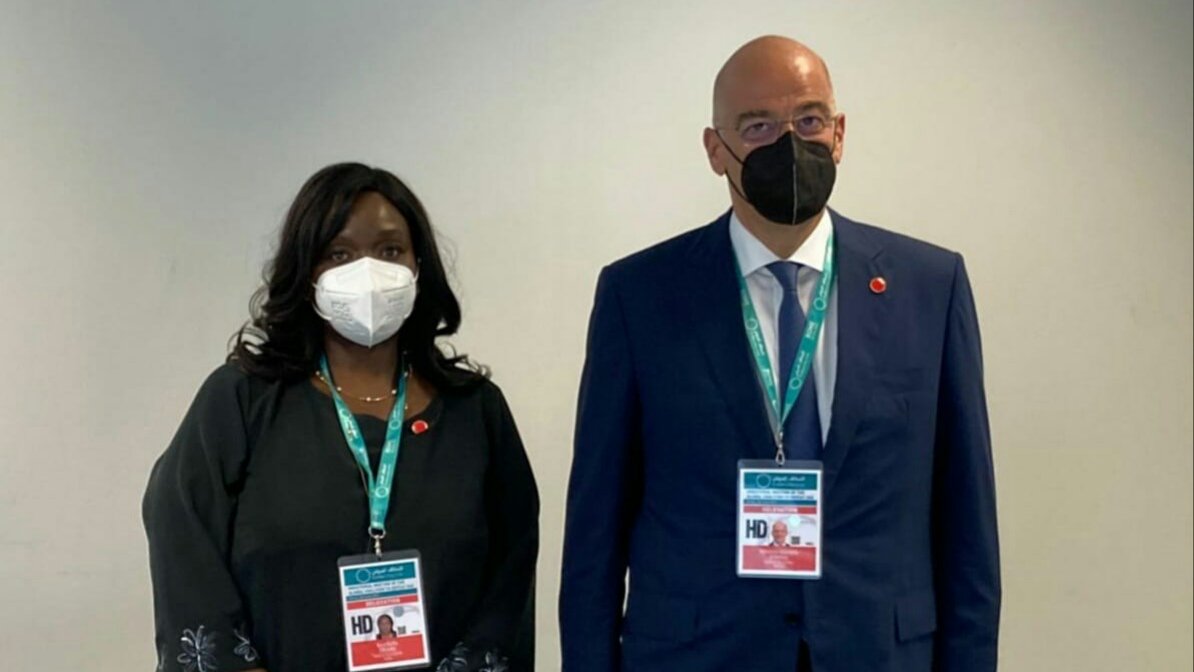
    Greece’s intention to donate 80,000 COVID-19 vaccine doses to Kenya was announced by Foreign Minister Nikos Dendias.

    As he noted in a Twitter post, “following our recent meeting in Rome, I had a telephone conversation with my Kenyan counterpart [Raychelle] Omamo, who thanked Greece for its intention to donate 80,000 vaccines against the coronavirus.”

    It is recalled that Dendias met his Kenyan counterpart for the first time on the sidelines of the Global Coalition against ISIS meeting held in Rome on June 28.

    Image

    They discussed at the time cooperation at bilateral level and within international organisations, as well as tackling the COVID-19 pandemic.

  • Gov’t Imposes 7pm-4am Curfew In Nyanza And Surrounding Revised, All Gatherings Banned In New COVID-19 Containment Measures

    Gov’t Imposes 7pm-4am Curfew In Nyanza And Surrounding Revised, All Gatherings Banned In New COVID-19 Containment Measures

    Curfew hours in Busia, Vihiga, Kisii, Nyamira, Kakamega, Kericho, Bomet, Bungoma, Trans-Nzoia, Kisumu, Siaya, Homa-Bay and Migori counties extended by three hours following a spike in cases. Curfew to be observed between 7pm and 4am from tomorrow (June18th). The government has also declared the regions as hotspots zones.

    Other measures imposed include:

    All cross-border cargo drivers shall be required to possess a valid certificate indicating a negative COVID-19 test that was conducted no more than 48 hours before commencing their journey, and each cargo truck shall be limited to only 2 persons per vehicle.

    Weekly non-food and livestock markets are hereby suspended in the Hotspot Zone for a period of 30 days.

    All public gatherings and in-person meetings of whatever nature are prohibited within the Hotspot Zone, including house parties and sporting activities.

    All funerals and interment ceremonies within the Hotspot Zone shall be conducted within 72 hours of confirmation of death.

    Night Vigils and overnight processions prior to funerals are prohibited within the Hotspot Zone until further notice.

    Attendees for funerals within the Hotspot Zone are capped to a maximum of 50 persons until further notice.

    Attendees, officiators, and facilitators of weddings, celebrations of marriage or traditional unions, ceremonies of rites of passage, and all other similar events or ceremonies is maintained at 30 persons in total until further notice.

    All forms of physical/congressional worship (churches, mosques, temples and shrines) in the hotspot counties are suspended for a period of 30 days.

    All employers including the public and private sector, government offices, businesses and companies in the Hotspot Zone are advised to allow employees to work from home, with the exception of employees working in critical or essential services.

    In accordance with the Public Order No.3 of 2021, all hospitals within the Hotspot Zone are directed to limit the number of visitors for hospitalized patients to one (1) visitor per patient per time until further notice.

  • Indians Believe Applying Cow Dung On Their Bodies Cures COVID-19

    Indians Believe Applying Cow Dung On Their Bodies Cures COVID-19

    Doctors in India are warning against the practice of using cow dung in the belief it will ward off COVID-19, saying there is no scientific evidence for its effectiveness and that it risks spreading other diseases.

    The coronavirus pandemic has wrought devastation on India, with 22.66 million cases and 246,116 deaths reported so far. Experts say actual numbers could be five to 10 times higher, and citizens across the country are struggling to find hospital beds, oxygen, or medicines, leaving many to die for lack of treatment.

    In the state of Gujarat in western India, some believers have been going to cow shelters once a week to cover their bodies in cow dung and urine in the hope it will boost their immunity against, or help them recover from, the coronavirus.

    In Hinduism, the cow is a sacred symbol of life and the earth, and for centuries Hindus have used cow dung to clean their homes and for prayer rituals, believing it has therapeutic and antiseptic properties.

    “We see … even doctors come here. Their belief is that this therapy improves their immunity and they can go and tend to patients with no fear,” said Gautam Manilal Borisa, an associate manager at a pharmaceuticals company, who said the practice helped him recover from COVID-19 last year.

    He has since been a regular at the Shree Swaminarayan Gurukul Vishwavidya Pratishthanam, a school run by Hindu monks that lies just across the road from the Indian headquarters of Zydus Cadila (CADI.NS), which is developing its own COVID-19 vaccine.

    As participants wait for the dung and urine mixture on their bodies to dry, they hug or honour the cows at the shelter, and practice yoga to boost energy levels. The packs are then washed off with milk or buttermilk.

    Doctors and scientists in India and across the world have repeatedly warned against practising alternative treatments for COVID-19, saying they can lead to a false sense of security and complicate health problems.

    “There is no concrete scientific evidence that cow dung or urine work to boost immunity against COVID-19, it is based entirely on belief,” said Dr JA Jayalal, national president at the Indian Medical Association.

    “There are also health risks involved in smearing or consuming these products – other diseases can spread from the animal to humans.”

    There are also concerns the practice could contribute to the spread of the virus as it involved people gathering in groups. Madhucharan Das, in charge of another cow shelter in Ahmedabad, said they were limiting the number of participants.

    Source: Reuters.

  • President Suluhu Defies Magufuli, Orders Wearing Of Face Masks In Tanzania

    President Suluhu Defies Magufuli, Orders Wearing Of Face Masks In Tanzania

    Tanzania’s new president, Samia Suluhu Hassan, on Friday stressed the importance of face masks in fighting COVID-19, ditching one of the most controversial policies of her late coronavirus-sceptic predecessor.

    Hassan took office in March after the death of John Magufuli, who had urged Tanzanians to shun masks and denounced vaccines as a Western conspiracy, to the frustration of the World Health Organization.

    Last month, she formed a committee to research whether Tanzania, which under Magufuli stopped reporting coronavirus data, should follow the course that the rest of the world has taken against the pandemic. read more

    On Friday, wearing a face mask and flanked by senior government and security officials, also all in masks, Hassan addressed prominent community elders in the commercial capital, Dar es Salaam.

    “We have come with face masks because elders are in a group of people who are at higher risk of contracting the prevailing disease,” she said. “We have found it is important to protect you.”

    One of those present was Health Minister Dorothy Gwajima, who, while Magufuli was president, urged Tanzanians to embrace steam inhalations, traditional medicines and even vegetable smoothies to protect themselves against COVID-19.

    Magufuli died in March after weeks of speculation that he was ill with COVID-19.

  • Scientists Say India Government Ignored Warnings Amid Coronavirus Surge

    Scientists Say India Government Ignored Warnings Amid Coronavirus Surge

    REUTERS: A forum of scientific advisers set up by the government warned Indian officials in early March of a new and more contagious variant of the coronavirus taking hold in the country, five scientists who are part of the forum told Reuters.

    Despite the warning, four of the scientists said the federal government did not seek to impose major restrictions to stop the spread of the virus. Millions of largely unmasked people attended religious festivals and political rallies that were held by Prime Minister Narendra Modi, leaders of the ruling Bharatiya Janata Party and opposition politicians.

    Tens of thousands of farmers, meanwhile, continued to camp on the edge of New Delhi protesting Modi’s agricultural policy changes.

    The world’s second-most populous country is now struggling to contain a second wave of infections much more severe than its first last year, which some scientists say is being accelerated by the new variant and another variant first detected in Britain. India reported 386,452 new cases on Friday, a global record.

    The spike in infections is India’s biggest crisis since Modi took office in 2014. It remains to be seen how his handling of it might affect Modi or his party politically. The next general election is due in 2024. Voting in the most recent local elections was largely completed before the scale of the new surge in infections became apparent. read more

    The warning about the new variant in early March was issued by the Indian SARS-CoV-2 Genetics Consortium, or INSACOG. It was conveyed to a top official who reports directly to the prime minister, according to one of the scientists, the director of a research centre in northern India who spoke on condition of anonymity. Reuters could not determine whether the INSACOG findings were passed on to Modi himself.

    Modi’s office did not respond to a request for comment from Reuters.

    INSACOG was set up as a forum of scientific advisers by the government in late December specifically to detect genomic variants of the coronavirus that might threaten public health. INSACOG brings together 10 national laboratories capable of studying virus variants.

    INSACOG researchers first detected B.1.617, which is now known as the Indian variant of the virus, as early as February, Ajay Parida, director of the state-run Institute of Life Sciences and a member of INSACOG, told Reuters.

    INSACOG shared its findings with the health ministry’s National Centre for Disease Control (NCDC) before March 10, warning that infections could quickly increase in parts of the country, the director of the northern India research centre told Reuters. The findings were then passed on to the Indian health ministry, this person said. The health ministry did not respond to requests for comment.

    Around that date, INSACOG began to prepare a draft media statement for the health ministry. A version of that draft, seen by Reuters, set out the forum’s findings: the new Indian variant had two significant mutations to the portion of the virus that attaches to human cells, and it had been traced in 15% to 20% of samples from Maharashtra, India’s worst-affected state.

    The draft statement said that the mutations, called E484Q and L452R, were of “high concern.” It said “there is data of E484Q mutant viruses escaping highly neutralising antibodies in cultures, and there is data that L452R mutation was responsible for both increased transmissibility and immune escape.”

    In other words, essentially, this meant that mutated versions of the virus could more easily enter a human cell and counter a person’s immune response to it.

    The ministry made the findings public about two weeks later, on March 24, when it issued a statement to the media that did not include the words “high concern.” The statement said only that more problematic variants required following measures already underway – increased testing and quarantine. Testing has since nearly doubled to 1.9 million tests a day.

    Asked why the government did not respond more forcefully to the findings, for example by restricting large gatherings, Shahid Jameel, chair of the scientific advisory group of INSACOG, said he was concerned that authorities were not paying enough attention to the evidence as they set policy.

    “Policy has to be based on evidence and not the other way around,” he told Reuters. “I am worried that science was not taken into account to drive policy. But I know where my jurisdiction stops. As scientists we provide the evidence, policymaking is the job of the government.”

    The northern India research centre director told Reuters the draft media release was sent to the most senior bureaucrat in the country, Cabinet Secretary Rajiv Gauba, who reports directly to the prime minister. Reuters was unable to learn whether Modi or his office were informed of the findings. Gauba did not respond to a request for comment.

    The government took no steps to prevent gatherings that might hasten the spread of the new variant, as new infections quadrupled by April 1 from a month earlier.

    Modi, some of his top lieutenants, and dozens of other politicians, including opposition figures, held rallies across the country for local elections throughout March and into April.

    The government also allowed the weeks-long Kumbh Mela religious festival, attended by millions of Hindus, to proceed from mid-March. Meanwhile, tens of thousands of farmers were allowed to remain camped on the outskirts of the capital New Delhi to protest against new agriculture laws.

    To be sure, some scientists say the surge was much larger than expected and the setback cannot be pinned on political leadership alone. “There is no point blaming the government,” Saumitra Das, director of the National Institute of Biomedical Genomics, which is part of INSACOG, told Reuters.

    STRICT MEASURES NOT TAKEN

    INSACOG reports to the National Centre for Disease Control in New Delhi. NCDC director Sujeet Kumar Singh recently told a private online gathering that strict lockdown measures had been needed in early April, according to a recording of the meeting reviewed by Reuters.

    “The exact time, as per our thinking, was 15 days before,” Singh said in the April 19 meeting, referring to the need for stricter lockdown measures.

    Singh did not say during the meeting whether he warned the government directly of the need for action at that time. Singh declined to comment to Reuters.

    Singh told the April 19 gathering that more recently, he had relayed the urgency of the matter to government officials.

    “It was highlighted very, very clearly that unless drastic measures are taken now, it will be too late to prevent the mortality which we are going to see,” said Singh, referring to a meeting which took place on April 18. He did not identify which government officials were in the meeting or describe their seniority.

    Singh said some government officials in the meeting worried that mid-sized towns could see law and order problems as essential medical supplies like oxygen ran out, a scenario that has already begun to play out in parts of India. read more

    The need for urgent action was also expressed the week before by the National Task Force for COVID-19, a group of 21 experts and government officials set up last April to provide scientific and technical guidance to the health ministry on the pandemic. It is chaired by V.K. Paul, Modi’s top coronavirus adviser.

    The group had a discussion on April 15 and “unanimously agreed that the situation is serious and that we should not hesitate in imposing lockdowns,” said one scientist who took part.

    Paul was present at the discussion, according to the scientist. Reuters could not determine if Paul relayed the group’s conclusion to Modi. Paul did not respond to a request for comment from Reuters.

    Two days after Singh’s April 18 warning to government officials, Modi addressed the nation on April 20, arguing against lockdowns. He said a lockdown should be the last resort in fighting the virus. India’s two-month-long national lockdown a year ago put millions out of work and devastated the economy.

    “We have to save the country from lockdowns. I would also request the states to use lockdowns as the last option,” Modi said. “We have to try our best to avoid lockdowns and focus on micro-containment zones,” he said, referring to small, localised lockdowns imposed by authorities to control outbreaks.

    India’s state governments have wide latitude in setting health policy for their regions, and some have acted independently to try to control the spread of the virus.

    Maharashtra, the country’s second-most populous state, which includes Mumbai, imposed tough restrictions such as office and store closures early in April as hospitals ran out of beds, oxygen and medicines. It imposed a full lockdown on April 14.

    ‘TICKING TIME BOMB’

    The Indian variant has now reached at least 17 countries including Britain, Switzerland and Iran, leading several governments to close their borders to people travelling from India. read more

    The World Health Organization has not declared the India mutant a “variant of concern,” as it has done for variants first detected in Britain, Brazil, and South Africa. But the WHO said on April 27 that its early modelling, based on genome sequencing, suggested that B.1.617 had a higher growth rate than other variants circulating in India.

    The UK variant, called B.1.1.7, was also detected in India by January, including in the northern state of Punjab, a major epicentre for the farmers’ protests, Anurag Agrawal, a senior INSACOG scientist, told Reuters.

    The NCDC and some INSACOG laboratories determined that a massive spike in cases in Punjab was caused by the UK variant, according to a statement issued by Punjab’s state government on March 23.

    Punjab imposed a lockdown from March 23. But thousands of farmers from the state remained at protest camps on the outskirts of Delhi, many moving back and forth between the two places before the restrictions began.

    “It was a ticking time bomb,” said Agrawal, who is director of the Institute of Genomics and Integrative Biology, which has studied some samples from Punjab. “It was a matter of an explosion, and public gatherings is a huge problem in a time of pandemic. And B.1.1.7 is a really bad variant in terms of spreading potential.”

    By April 7, more than two weeks after Punjab’s announcement on the UK variant, cases of coronavirus began rising sharply in Delhi. Within days, hospital beds, critical care facilities, and medical oxygen began running out in the city. At some hospitals, patients died gasping for air before they could be treated. The city’s crematoriums overflowed with dead bodies. read more

    Delhi is now suffering one of the worst infection rates in the country, with more than three out of every 10 tests positive for the virus.

    India overall has reported more than 300,000 infections a day for the past nine days, the worst streak anywhere in the world since the pandemic began. Deaths have surged, too, with the total exceeding 200,000 this week.

    Agrawal and two other senior government scientists told Reuters that federal health authorities and local Delhi officials should have been better prepared after seeing what the variants had done in Maharashtra and Punjab. Reuters could not determine what specific warnings were issued to whom about preparing for a huge surge.

    “We are in a very grave situation,” said Shanta Dutta, a medical research scientist at the state-run National Institute of Cholera and Enteric Diseases. “People listen to politicians more than scientists.”

    Rakesh Mishra, director of the Centre for Cellular and Molecular Biology, which is part of INSACOG, said the country’s scientific community was dejected.

    “We could have done better, our science could have been given more significance,” he told Reuters. “What we observed in whatever little way, that should have been used better.”

  • Profits: AstraZeneca Vaccine Has Made $275 Million In First Quarter

    Profits: AstraZeneca Vaccine Has Made $275 Million In First Quarter

    British pharmaceuticals giant AstraZeneca said Friday that its Covid vaccine generated $275 million (227 million euros) in sales in the first quarter, as its chief executive defended performance in the face of EU legal action.

    It is the first time that the company has disclosed figures from sales of one of the world’s leading vaccines, which it sells at cost.

    The company has delivered about 68 million doses of the vaccine, which was developed with the University of Oxford and has been instrumental in Britain’s rapid vaccination drive.

    However, public confidence in the jab has been dented over links to very rare blood clots, and the company is also mired in a legal fight with the EU over delivery shortfalls.

    – ‘Did our very best’ –

    “I don’t think we ever overpromised… more than we thought we could deliver,” chief executive Pascal Soriot told reporters on Friday, insisting there were no regrets.

    “What we communicated at the time was based on the capacity that we had put together.”

    Soriot noted that AstraZeneca was the second largest supplier to the EU after US firm Pfizer.

    The bulk of AstraZeneca’s jab sales during the first quarter — $224 million worth — were in Europe, the company said.

    A total $43 million were in emerging markets, and $8 million in the rest of the world, it added.

    “Of course we would have preferred to have delivered more quantities to Europe but at then end of the day we did our very best to help the world,” Soriot said.

    AstraZeneca vaccine production had been rapidly assembled following the start of the outbreak in early 2020.

    “Our vaccine continues to play a leading role in the global fight against the pandemic,” Soriot insisted.

    “We are seeing signs that it is reducing transmissions,” he added, citing recent UK data.

    The results come at the end of a turbulent week after the European Union launched legal action against AstraZeneca over Covid-19 vaccine delivery shortfalls that hampered efforts to kickstart inoculations across the bloc.

    The EU is suing AstraZeneca on the basis of breaches of an advanced purchase agreement, but the firm has dismissed the legal action “without merit” and stated that it will strongly defend itself in court.

    AstraZeneca said it is due to have delivered about 50 million doses to Europe by the end of April, but that is far lower than the amount Brussels insists should have come.

    The commission says overall the firm is set to deliver only a third of the 300 million doses it had promised by June.

    “In Europe, we continue to make progress with the supply… and we continue to work hard to increase the output,” Soriot said Friday.

    – Profit doubles –

    The Covid jab revenue data was contained in a results statement showing that AstraZeneca’s net profit doubled in the first quarter to $1.56 billion from a year earlier.

    Total revenue jumped 15 percent to $7.32 billion in the reporting period, boosted by strong sales of new cancer drugs.

    The firm noted that the pandemic had caused a “negative impact” on both the diagnosis and treatment of conditions aside from Covid.

    Investors welcomed Friday’s results to send AstraZeneca’s share price 3.5 percent higher at £76.53 in late morning deals on London’s flat FTSE 100 index.

    AFP.

  • Catholic Doctor Who Warned Kenyans Against Getting Vaccinated Dies Of COVID-19

    Catholic Doctor Who Warned Kenyans Against Getting Vaccinated Dies Of COVID-19

    Dr Stephen Karanja, chairman of the Kenya Catholic Doctors Association (KCDA) has succumbed to COVID-19. Just last month in March when Kenya was rolling out the vaccination program for the virus, Dr. Karanja made headlines with group of doctors associated with the Catholic Church warning Kenyans against taking the vaccine arguing that they are unsafe and unnecessary.

    This was just a day after Kenya received its first shipment of 1 million vaccines as part of the global COVAX project, the Kenya Catholic Doctors’ Association (KCDA), led by Dr. Stephen Karanja, called on people to reject the vaccine. The ten page statement issued on March 3, addressed a number of issues, ranging from the injections themselves, to COVID tests, as well as pointing to underhand connections to billionaire globalist Bill Gates.

    In the opening letter, the KCDA stated that there were already existing treatments for the virus, and that “We also know that vaccination for this disease is totally unnecessary making the motivation suspect.”

    The doctors first noted the highly exaggerated estimate of COVID cases, made by the Director General of Health last year, adding that of the actual number of people infected, “only about 10%…develop symptoms and need to seek medical attention.”

    The KCDA instead advised several alternative treatments for the virus, including daily steaming, as well as taking ivermectin, which has been dubbed by medics in the U.S. as “miraculous” in its treatment of COVID-19.

    Finally, the group advised people to daily takehydroxychloroquine (HCQ), along with Zinc and Azithromycin, a combination which was described as the “treatment of choice for pregnant symptomatic women requiring treatment.”

    Pointing to mortality figures in Kenya, the KCDA commented how COVID was responsible for “about 1,800,” deaths. The doctors compared that to mortality figures from 2019 when there were 3,572 deaths from traffic accidents, around 10,700 from malaria, and an estimated 25,000 from HIV/AIDS. With a global mortality rate for COVID-19 of around “0.03%” and a Kenya specific mortality rate of “0.0036%,” the group stated that “COVID-19 therefore does not seem to warrant the drastic measures employed for its containment as advised by the WHO.”

    Echoing a warning from its inventor, as well as an international group of scientists, the KCDA stated that the widely used COVID testing method, PCR test, “is of little or absolutely of no value to the clinician in the outpatient set up.” The test “does not detect the virus” warned the group, who mentioned the dangers contained from the test’s false positive and negative results.

    As part of their proposed measures to combat the virus, the KCDA further advised the wearing of masks, noting that they offered no personal protection, but reduced the risk of spreading infection to others. This advice is contrary to that of a number of other doctors, who warned that not only do masks not work but they also present a risk to one’s physical health, and could be responsible for a sudden increase in “bacterial respiratory infections.”

    “Finally, vaccines have never been used in the control of outbreaks,” the Kenyan doctors say. “Most outbreaks like the Spanish Flu, MERS, SARS died out naturally in a few years, without treatment and before any vaccine could be produced. COVID-19 is special in that we have an effective treatment making it possible to overcome the disease without the need of vaccination.”

    The doctors further note that “It has been made clear that the experimental vaccines will not stop infections nor transmission of SARS-Cov-2 but will only reduce the risk of severe diseases and mortality which the current treatment can do effectively and safely. Further, the mortality rate in Kenya and Africa does not justify vaccination let alone emergency vaccination with experimental vaccines.”

    Closing their statement, the KCDA also mentioned the influence of Bill Gates upon the global vaccine drive, pointing to his own comments about reducing the global population through vaccination, as well as his desire for vaccination passports. “Mark you Bill Gates is not a medical doctor but a technology specialist. It seems there is something Bill Gates has invested that requires the whole world to be vaccinated to succeed,” the doctors wrote. “What that investment is remains the million-dollar question.”

    Speaking to ACI Africa, one of the letter’s signatores, Dr. Karanja, described the injections as “dangerous.”

    However, the Kenya Conference of Catholic Bishops (KCCB) responded to the doctors, with the chairman Archbishop Philip Anyolo issuing a collective statement recommending the injections as “genuine, safe and effective.” Echoing Pope Francis’s recent comments, Anoyolo added that it was “licit and ethically acceptable” to take any vaccines recommended by the Ministry of Health.

    Dr Karanja passed away today at the Mater Hospital where he was admitted to the High Dependency Unit.

  • Botswana Could Become The First African Country To Be Fully Vaccinated

    Botswana Could Become The First African Country To Be Fully Vaccinated

    Gaborone, Botswana — Botswana’s health authorities say they have arranged to receive nearly 2 million doses of COVID-19 vaccines, enough to cover the entire adult population. If every adult takes the vaccine, Botswana could become the first country in Africa to be fully vaccinated against the coronavirus.

    In a televised address Monday, Mosepele Mosepele, deputy coordinator of the Botswana Presidential COVID-19 Task Force, said the country reached agreements with vaccine manufacturers to supply doses to cover 1.9 million people. Botswana has an adult population of 1.6 million, but noncitizens are also eligible for the vaccine, Mosepele added.

    Botswana received 60,000 doses of the Covishield vaccine from India and the COVAX facility last month. Mosepele said the uptake of the vaccine has been impressive, with 47,160 receiving the jab since March 26.

    Mosepele said he is not sure when the 1.9 million doses will arrive, but that the largest portion of the pending shipment is from Johnson & Johnson, which is expected to deliver 1.1 million doses of its one-shot vaccine.

    In the meantime, the government this week received 200,000 doses of the Sinovac vaccine from China.

    Kabo Morwaeng, Botswana’s minister of presidential affairs, urged people to take the Sinovac doses.

    “I also wish to implore all those who may be reluctant to do so, to step up and take their jabs. This process is intended for the good of all of us,” he said. “I must assure you that our health authorities, through the Botswana Medicines Regulatory Authority (BOMRA), will continue to ascertain that the vaccines we receive are safe for use by all of us.”

    Earlier this month, two people died after receiving the Covishield vaccine. BOMRA is investigating the incident.

    Botswana Nurses Union spokesperson Aobakwe Lesolame said the government needs to speedily roll out the vaccination campaign once the doses arrive.

    “We are pleading with the ministry (of health) that as these vaccines continue to arrive, they make sure that they roll out the strategy, very clear, very basic, very simple (and) disseminate across structures so that everybody can take part,” Lesolame said. “The vaccine rollout plan should focus on using community halls so that we ease the burden on public health facilities.”

    Botswana has recorded 702 deaths from COVID-19, with February and March being the deadliest months. Authorities have confirmed 46,000 cases of the virus overall.

    Source: VOA.

  • The Big Question Is Where Does The Rest Of Unused Banned Vaccine Go

    The Big Question Is Where Does The Rest Of Unused Banned Vaccine Go

    One of the major question that’s not being touched currently in respect is where does the rest of the already imported banned Sputnik-V vaccine go to. The government of Kenya pulled a real quick turnaround on a vaccine that themselves approved and allowed it’s importation by private companies.

    Its estimated that in its 3 days of administration, close to 500 Kenyans had already been vaccinated and a booming demand. According to reports, 100,000 doses had been imported into the country with about 3M doses said to be on shipment currently to Kenya.

    So for the 90,000 un administered doses where do they go and which measures is the government putting in place to ensure they don’t get administered through the backdoor contrary to MoH protocols?

    And what measures is government putting in place to ensure that vaccines said to be on shipment don’t get into the country illegally given that our borders and ports have been porous due to weak institutions easily penetrated by corruption.

    Kenya’s vaccination rollout has been criticized as horribly slow and derailing the process of keeping as many protected and private sector entrance into the rollout was applauded by proponents who saw it as a great step in increasing country’s speed in achieving maximum range. Critics have also claimed crooked businessmen would put profits first ahead of human health. However, if a supervised chain can be implemented then collaboration of private companies with the government should be encouraged.

  • CDC Shows Support For Kenya On Banning Sputnik-V Vaccine

    CDC Shows Support For Kenya On Banning Sputnik-V Vaccine

    Kenya has been applauded by the CDC in their step to ban importation of COVID-19 vaccine by private companies, this came after Russian vaccine Sputnik-V had been imported by local companies and attracted a number of able Kenyans whom were already willing to pay Sh12,000 for the rare vaccine.

    The government’s move has been received harshly by critics who questioned the motive behind the reversal given that the state had earlier admitted that the importation was done through the right channels and met the standards.

    Others have also read politics into it after speculations that the Deputy President who had publicly received the vaccine was also behind the importation. Ruto and the President Uhuru have not been seeing each other eye to eye in the recent times.

    Kenya has not yet crossed the 1,000,000 vaccination mark against the 52M population and wuth the virus ravaging the country, many have felt the process of vaccination is disturbingly slow yet many people need to be vaccinated for the return to normal life. Kenya has since made stiff restrictions from curfews to closing bars and minimizing crowds in social events for 60 days.

    While many have expressed their displeasure to this, others are seeing it differently, CDC Africa’s Director Dr. Ahmed Ogwell in a statement to the press agreed with the government’s stand, “I applaud the Government of Kenya for aligning with the rest of the  world in making #CovidVaccines a public good. The risks of opaque importation far outweigh any benefits. Vaccines save lives.”

    Lancet’s chief pathologist while echoing the CDC’s stand said, “Key word is OPAQUE importation and that is the aspect to be dealt with, the onus of which is on the Government to ensure transparency and accountability thereby facilitating a clearer process for increased vaccine availability regardless of the validated importers & vaccine type.”

    There has been a credible fear not just in Kenya that unscrupulous business are taking advantage of the of the weak systems to import the limited vaccine. Interpol has had to issue a warning on fake vaccines being imported to unsuspecting countries and advised that only vaccines imported through government bodies should be trusted.

    According to sources, the importers of the Sputnik-V into Kenya had already brought in 100K doses with 3M said to be on high sea coming to Kenya. The government when issuing the ban, allowed those who had been vaccinated for their second dosage what remains questionable is where the rest of the imported vaccine will be sold or destroyed and the rest on shipment.