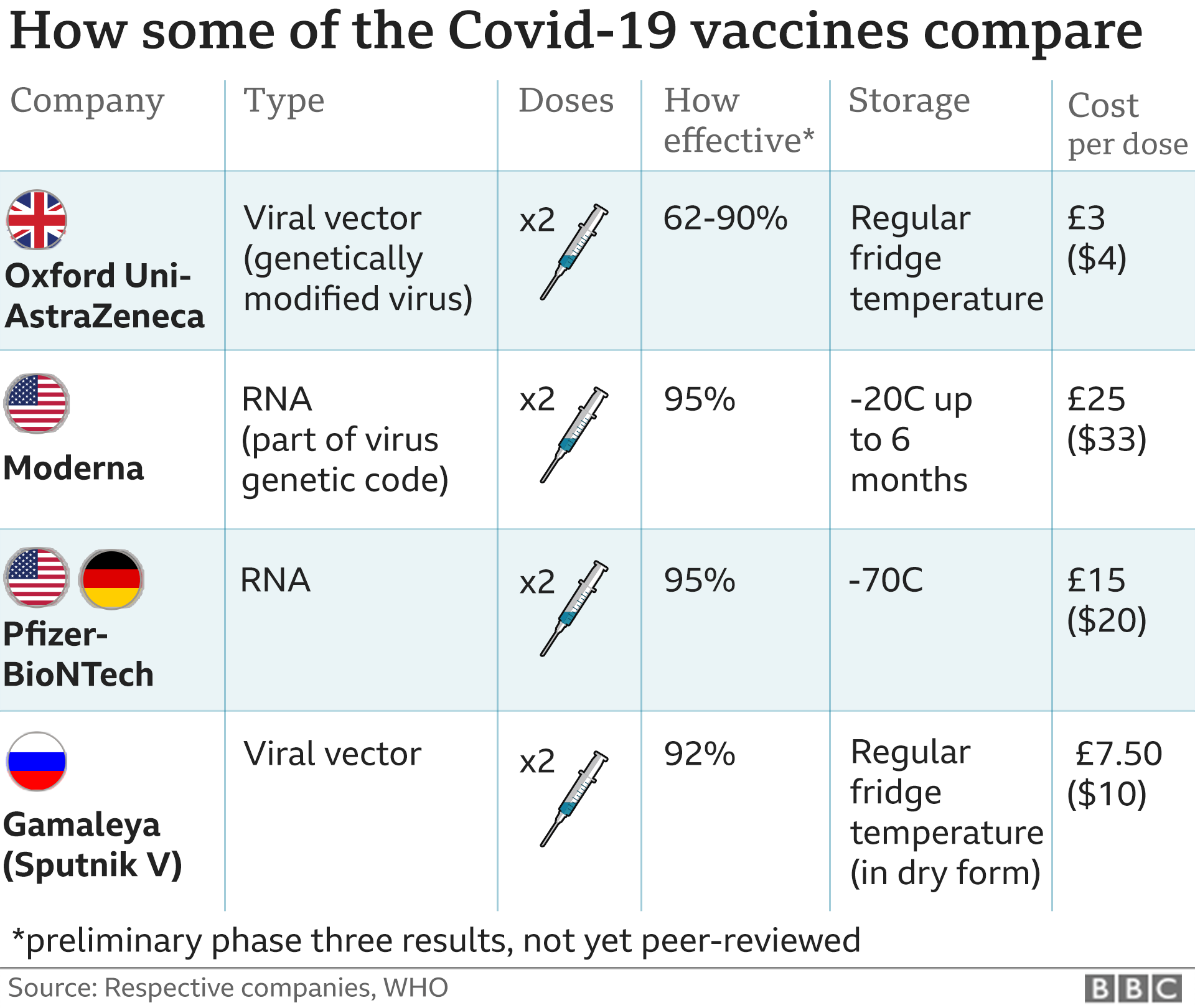
Kenya Insights can now reveal that a dodgy small firm Kilig, already acquired the fridges necessary for stocking Russian vaccine Sputnik V. The company created in January 2020 is headed by well-connected consultant Willbroad Gatei Gachoka who is a childhood friend and business partner of David Murathe, vice-chairman of the ruling Jubilee Party.
This is despite government’s relentless effort to ban the vaccine which is said be the best according to CNN Health report.
Documents in our possession show that Kilig Limited owners transferred tenders to another firm to deal with Kemsa. Willbroad Gatei Gachoka is an aide of Murathe and was sacked by Uhuru Kenyatta on December 18 2019 as chairman of Kenya Planters Cooperative Union after the board of directors awarded themselves hefty allowances leaving it dry.
On January 22, 2020, Gachoka had Kilig Limited registered with a Chinese National Zhu Jinping of P O Box 36814-00200 Nairobi. On June 16, 2020, Kilig Limited after landing a lucrative deal at Kemsa, engaged a firm Entec Technology Company Ltd of P O Box 37925-00100 Nairobi, to deliver PPE kits to Kemsa from China at the price of USD 28,535,000 that is Sh3 billion. John Mburu is associated with Entec remotely and was to clear the goods with KCB funding the tender. Kilig Limited having brokered the tender from Kemsa at Sh4 billion played it safe by involving Entec thus not being responsible for any criminal or legal implication. Those in the deal were to share a cool Sh1.2 billion.
Kilig Limited and Entec Technology entered in what industry players call a bidding commercial contract. The broker was Mburu, well versed in clearing and forwarding deals. By virtue of being close to Murathe, Gatei kept on dropping Murathe’s name and that of State House. It was on these grounds that appearing before the senate health committee, John Manjari, the suspended Kemsa CEO revealed, how he was under pressure from CS Mutahi Kagwe and PS Susan Mochache to award tenders to specific firms. Entec was to supply PPE sets in two dispatches. First were 200,000 kits on June 28 2020 and the second installment of 239,000 on July 10, 2020. Documents we have show, to avoid any suspicion in the dealing, Kilig was to enter an Escrow Account Management Agreement with Entec Technology.
Here once Kemsa paid Kilig, it was mandatory for it to pay Entec. Here KCB was brought in the deal. Why KCB being a public bank was to fall under the pressure of political wheeler-dealers. Entec Technology in the documents signed with Kilig gave bank account details where its payments were to be forwarded. The said account transacts business in USD is Stanbic Bank, Westgate Branch. Reports indicate, after Kemsa scams erupted and went public, no payments were made to escrow account. Fearing arrest, Gatei and Zhu Jinping moved shares of Kilig Limited to a city young lawyer as a major shareholder.
Gatei and Ivy Minyow Onyango, the young lawyer are lovers. In documents, Gatei did not change the firm contacts. Kilig Limited enjoyed direct procurement. Manjari signed the award letter with a three months grace period to deliver the goods. The trouble started when then Kemsa procurement director Charles Juma wrote to Manjari twice in April and June raising que0stions over why Kilig was given direct procurement for a tender that was to be competitive. By then, word had spread, Kemsa was liquid. By then, Mochache had written to Manjari in relation to an audit of procurement made on behalf of the ministry relating to Covid-19 payments using World Bank Funds.
Ivy Minyow Onyango, the sole director of Kilig Limited.
While appearing before the National Assembly’s Public Investments Committee (PIC), Ivy who’s the liste sole director of Kilig told the committee that she had no information on the signatories to the company’s bank accounts at Equity Bank and SBM Bank.
“I need more time to go back to the bank and get the right information. I cannot remember who the signatories were because there was a joint venture for procurement of Covid-19 items. Give me two days to find out the bank signatories,” the 27-year-old lawyer told the committee.
Ms Onyango claimed she could only recall that Kilig had accounts at the two banks but did not know who their signatories were.
“We went into joint venture and opened bank accounts for envisioned transactions. I don’t know if the accounts were closed,” she said.
Members of PIC, however, dismissed her claim and ordered her to provide a full disclosure of the account holders.
“You cannot do business worth about Sh4 billion and you don’t know the bank account of your company yet you are a sole shareholder. You have portrayed yourself as a wise woman. How can you not know where your bank accounts are yet you chased for this big deal?” PIC chairman Abdulswamad Nassir said.
Ms Onyango said Kilig had various partners, including manufactures and distributors, who came together to deliver the supplies to Kemsa.
She told PIC that the joint venture also involved Wilbrod Gachoka, who has since resigned as director of Kilig.
“There was Wilbrod Gachoka and Entec Enterprises a Chinese company who had vested interest in the joint venture,” Ms Onyango said.
Ms Onyango told the committee that Collins Bush Wanjala a son of Budalang’i MP Raphael Wanjala was also a director of Kilig and that she took over the company from the junior Wanjala at a cost of Sh10,000.
Ms Onyango told MPs that she incorporated Kilig in February 2019 after receiving instructions from his clients, Mr Gachoka and Zu Jinping.
Mr Nassir, however, disputed the claims by Ms Onyango, saying official documents showed she never participated in the registration of Kilig.
The PIC chairman tabled documents by Registrar of Companies, which showed that the firm was registered on January 22, 2020, with its directors as Zhu Jinping and Willbroda Gachoka.
In April, the two transferred their shares to Collins Bush Wanjala, who later handed them over to Ivy Minyow Onyango in May.
Kemsa did not do any due diligence on Kilig, including its financial capability to supply the goods, shareholding or pre-qualification documents.
Kenya will restructure its medical procurement department after the U.S. snubbed the unit while procuring donations of antiretroviral drugs, resulting in shortages for 1.4 million people living with HIV/AIDS.
The East African government will reinforce operational systems and address allegations of corruption at the Kenya Medical Supplies Authority, or Kemsa, to ensure the agency can continue to handle consignments from the U.S. Agency for International Development, Health Secretary Mutahi Kagwe told the National Assembly’s health committee on Wednesday.
“We are working with donor partners to see how best to restructure the institution,” Kagwe said. “Hopefully this is something we’re going to finalize as quickly as possible and you will begin to see movement in these areas in the next few days.”
The Kenyan agency was accused last year of graft in distributing contracts for the supply of protective equipment and test kits for the nation’s Covid-19 response.
USAID, the largest donor for Kenya’s HIV/AIDS program, procured drugs through a private firm because it didn’t trust Kemsa, Kagwe said. Kenya blocked the consignment at Mombasa port and demanded taxes because the shipment was imported “without the ministry’s prior knowledge, and outside of the agreed framework,” Kagwe said, forcing many to go without the life-prolonging tablets.
“Donated commodities are not subject to taxes or fees,” A USAID spokesperson said by email before Kagwe told lawmakers that the shipment impasse was resolved. “The U.S. government is committed to ensuring that life-saving commodities are available to ensure that Kenyans relying on critical HIV or malaria medicines continue to receive them without interruption.” USAID didn’t comment on the handling of consignments, either by Kemsa or a private company.
Skipping doses can lead to drug resistanceand death. About 1.4 million patients are on antiretroviral drugs, compared with about 363,400 when the program began in 2009, according to Kemsa.
Kenya is working with the U.S. agency to ensure that all patients receive their medication by end of this week.
Bharti Airtel CEO Gopal Vittal has summoned his right-hand man in Africa Raghunath Mandava to weigh up the worth of his Kenyan business according to information availed to Kenya Insights.
This follows Nairobi’s request the company give up 30% of its capital to Kenyan businesses by 2024.
Nairobi’s announcement on 9 April that all foreign operators would have to open up 30% of their capital to Kenyan businesses by 2024 has shaken Bharti Airtel’s leadership. With the Indian telecoms major’s attempt to convince telecomms minister Joe Mucheru to delay that date until 2026 having fallen upon deaf ears.
CEO Gopal Vittal has summonned his representative in Kenya Prasanta Das Sarma and the head of the company’s Africa division Raghunath Mandava, also based in Nairobi, to study the possibility of closing down the shops.
According to National Information Communication and Technology Public Policy Guidelines of 2020, ICT companies from abroad will now give Kenyans a 30 percent stake to be considered Kenyan.
The international companies with an interest in the Kenyan market will have to give the 30% stake to be considered as Kenyan companies in a push for a local stake as a requirement to obtain licenses in the country. Companies were given 3 years to comply with the local ownership regulations. The time frame was a subject to a one-year extension by the ICT Cabinet Secretary upon request.
“It is the policy that only companies with at least 30 percent substantive Kenyan ownership, either corporate or individual, will be licensed to provide ICT services. For purposes of this rule, ICT companies without a majority Kenyan ownership will not be considered Kenyan, and may thus not be calculated as part of the 30 percent Kenyan ownership calculus,” reads the policy in a recent Gazette Notice.
The regulation is part of a government effort to grow the ICT Sector in Kenya by encouraging equity participation among Kenyans.
Listed companies will conform to the equity participation rule ‘to the extant rules of the Capital Markets Authority’.
The new law also requires that the government ICT procurement processes will give preference to local ICT companies in the award of tenders, including in sectors like security and defense. Further, where local businesses cannot fulfill tender requirements, foreign companies will have to transfer skills to local firms.
“Kenyan built solutions will be preferred over any other solution; where there are no local businesses that meet the tender requirements, skills transfer to local firms and personnel will be a mandatory requirement,” continues the Gazette Notice.
Amaan Gas Limited, the firm that owns Amaan Gas brand is the latest firm on the spotlight over unethical and illegal involvement in LPG cylinders a crime that has now become a menace to regulators as rogue firms in the lucrative gas industry engage in fake gas manufacturing.
In a case before Milimani Magistrate Court, MCCR/E436/2021 the firm’s director Mohammed Rashid Abdikalik who has been playing hide and seek with the court after junior staff of Amaan Gas Limited; Hassan Mohamed Mohamud, John Theuri Mathenge and Agostine Maina Njuguna and denied the fraud charges, are accused that on March 24 this year at the firmed premises L. P. G storage and filing station filing facility located along sabaki area Athi river within Machakos County jointly with others not before court they were found dealing with empty LPG cylinders of safe gas, Pro gas, Oilibya, Hashi gas, lake gas, gas yetu, Tisha gas among others without prior written consent from the licensed owners in the contravention of the law.
Theuri alone was charged that jointly with others not before court using a motor vehicle were found dealing with the above mentioned LPG cylinders without prior license from the owners.
The junior staff were released on a bond of Sh200, 000 or cash bail of Sh50, 000 each pending hearing and determination of the criminal case. Amaan directors were expected to appear in court on April 8 face criminal of charges of trading and dealing with LPG cylinders of another license. Kenya Insights search on the case couldn’t determine if this really took place. Milimani Resident Magistrate David Ndungi issued the summons after the directors failed to appear in court to plead to the charges.
directors co-accused persons Hassan Mohamed Mohamud, John Theuri Mathenge and Agostine Maina Njuguna appearing in court.
The new law – Petroleum Act 2019 – requires all LPG retailers, wholesalers and transporters to hold licenses for each business location following the abolishing of the compulsory LPG cylinder exchange pool.
It also says the licenses will be specific to the authorised cylinder brands, and retailers are required to obtain prior written consent from brand owners.
While consumers may have been saved from the kitchen raid plotted by the Treasury that would have seen the price of Liquefied Petroleum Gas (LPG) rise by at least 14 per cent from the Value Added Tax, another assault stalks them on the safety of the gas they use.
Invesigations has established that a number of bulk LPG refilling plants have emerged in residential areas, near schools, churches, and in some cases, government premises, creating waiting disasters as a cartel of dealers seeks to drive informality into the sector with little regard to user safety.
Amaan gas Ltd operates such a firm in Machakos where doing the raid following intelligence, unearthed their dirty dealings that have been ongoing behind the backdoor.
Letters written by dealers to authorities, including the police, list at least 34 sites spread across the country, half of them in Nairobi and its environs.
Illegal refillers have disrupted the LPG sector in what is now a blow not only to traders, but is also a safety concern to the consumer, who is unaware of the place the cylinder was refilled or when it was last checked for leaking or any other defects.
QUALITY CHECKS
“They don’t care about quality checks on the cylinders they are handling illegally, in the first place, and while the valves on the cylinders may be similar, the gadgets used to refill them may not be the same, meaning that, each time they are refilled in different places, the valve may get damaged and households are put at risk when they use such cylinders,” Omondi Omollo, a lawyer who has been prosecuting illegal refills said in an interview.
Kenya has one of the toughest laws in place to curb illegal trade in cooking gas—perhaps more punitive than some Acts on drug trafficking—but loopholes surrounding the setting up of the refill plants, bulk storage and ferrying of the same make nonsense of such regulations.
The laws contained in the Petroleum (Liquefied Petroleum Gas) Regulations, 2019 specify huge fines for offenders with a design to push self-check among dealers.
One is not supposed to sell LPG to another trader if they are not licensed and hiring a driver or vehicle to transport gas is as illegal as transporting it in an unlicensed vehicle. It means both parties are liable if found in illegal dealership.
The laws are just on paper; on the ground, LPG refilling plants in Nairobi’s Industrial area, Embakasi, Githurai, along the Eastern and Southern Bypasses, Kikuyu, Thika, Sagana, Kisii, Embu, Meru, Murang’a and other parts of the country are doing big business. The punitive law is the least of their concerns.
SAFETY
They either obtain cylinders from retailers in small shops and refill them at a lower fee to attract them or simply hijack lorries ferrying empty cylinders, refill them and sell in the local market. Brand owners who have pumped millions of shillings into cylinder manufacture, meanwhile, wait for eons for their cylinders, which they also need to check for safety before refiling.
Illegal refillers such as Amaan Gas will have evaded both the cost of manufacturing a cylinder and that of checking each of the valves for safety. Even better, they will escape any blame should the cylinder explode, or turn out to be containing bad quality gas. How they escape the law is, however, the loophole by enforcement agencies that has thrown consumers under the bus.
The Energy and Petroleum Regulatory Authority (EPRA) that is tasked with policing the market has been largely blamed for handling offenders with kid gloves. Dealers have been pointing an accusing finger at the regulator for issuing warning letters to offenders, but is reluctant to charge them in court, and in some cases even tries to drop the accusations midstream.
EPRA’s Director of Petroleum & Gas, Eng. Edward Kinyua.
Epra is said by journalists to being snobbish in addressing fundamental issues raised by dealers. The questions around the illegal set-up of LPG plants in residential areas, poor enforcement of transport guidelines for LPG distributors, which endangers motorists unaware of the possibility that the next car could be full of the explosive gas cylinders on the road, and the authority’s questionable handling of cases in court, were all evaded by the authority despite confirming their receipt.
One of the latest incidents involved a dealer based in Mavoko. Officers from Anti-Counterfeit Authority and the Directorate of Criminal Investigations conducted a night raid in his Syokimau premises, confiscated close to 600 cylinders belonging to different brands and two vehicles to press charges against the businessman.
EPRA, which had described the trader found with cylinders belonging to 42 different brand owners as dangerous, shocked lawyers representing the offended brands when it applied to withdraw the case. In less than two months, the suspect had been given back his licence, which had been cancelled, with only a ‘warning letter’ as punishment.
WITHDRAW CHARGES
“We attended court on 23rd January 2020 when the accused persons in the case were scheduled to take plea. We were, however, taken by surprise to learn that EPRA, through the prosecution, intended to withdraw the charges against the accused person and substitute them with an enforcement action that includes a warning and a 60-day moratorium in furtherance of your letter dated December 20, 2019, which we came to know of its existence in court,” lawyers representing one of cylinder owners wrote to EPRA in protest.
The protest, which reached the Petroleum ministry, forced the regulator to rescind the decision, but this too has come back to haunt it as the suspect now wants to know how the ‘deal’ that ended with a warning letter has been overturned. The matter is still in court.
Late year in July, EPRA announced it had revoked the licence held by Swift Energy Distributors adding to the flip flop in addressing the illegal LPG business. It was the second time the licence is revoked in less than half a year while the regulator says the firm has on three other occasions been found in breach.
ESCAPE JUSTICE
The agencies are also said to be weakly joined in a multi-agency effort to root out the trade, another loophole that has seen various illegal dealers escape justice. Who raids, who charges and under what law has been a subject of blame game among enforcement agencies.
While the Anti-Counterfeit Authority can charge those who sell gas using brands they don’t own, the offence will only attract three times the value of goods seized. The Petroleum (Liquefied Petroleum Gas) Regulations, 2019 would fine them at least Sh10 million for it.
“The circumstances of this case disclose offences under the Petroleum (Liquefied Petroleum Gas) Regulations, 2019. Specifically, contraventions of regulations 13(1) and 14(a) as read with the Fifth Schedule. Further, the penalties described under this schedule, being a fine of Sh10 million are far steeper than those provided under the Anti-Counterfeit Act. I am, therefore, of the opinion that this matter falls under the mandate of EPRA,” ACA investigators wrote after the Syokimau raid.
It was also exposed last year by an insider within ACA that some 700 cylinders were being handed back to an offender in Embu after EPRA failed to take up the matter involving refilling of brands without authority from the brand owners — another offence attracting Sh10 million fine.
Inside Amaan’s warehouse.
The enforcement loopholes and increasing demand for cooking gas have made the trade a multi-billion shilling affair with some high ranking government officials, politicians, officials within the regulatory agencies, and police said to have joined the business, threatening to reverse the gains made in pushing for the clean cooking energy source.
The huge penalties are also said to have inflated the size of bribes sought from offenders whose cartel-like nature of operations ensures one of their own is saved from conviction whenever they are arrested.
Its unsurprising that the case of Amaan has not only been slow but the directors acting with impunity and avoiding the courts perhaps working in the same script as the rest of gas cartels who get caught and cut deals with corrupt regulatory officials.
Increasingly helpless traders have been seeking help from various quarters. In May, the Energy Dealers Association wrote to Interior CS Fred Matiang’i decrying the rampant stealing of cylinders and named the firms they suspected to be breaching their brands, indicating their helplessness at the hands of the cartels in the LPG market.
“Despite the requirement by the regulations that prohibit cross filling and transportation of cylinders with the exception of companies that have entered into a mutual agreement to do so, some of our members have refused to comply and have continued to illegally cross fill competitors’ cylinders without the authority to do so.
CRACKDOWNS
“This has put the general public at risk because it can’t be traced who filled the cylinders and whether safety requirements were followed,” dealers’ association chairman Peter Macharia wrote in the letter that was copied to Mining and Petroleum CS John Munyes and EPRA DG Pavel Oimeke.
It must also be noted that disgraced ex-Epra DG Oimeke thrived in corruption and was forced to resign and tee being caught in a bribery scandal. That only goes to show what goes on behind scenes once these cartels are caught in the act.
Frustrated dealers have been seeking permission to set up their own enforcement to protect their businesses in what may spark acrimonious crackdowns among the players, some of whom belong to the same umbrella organisations like the ADA.
Cases like this of Amaan can easily disappear in thin air if deals are cut behind doors and no one does follow up to keep a watch on the progress. The cases will always be sorted out and the rogue firms back to operations without consideration of public safety. We’re determined to do a follow up on this case and see if it will suffer the same fate of induced death or if it will go all the way.
Rogue firms ought to suffer the wrath of law by getting heavily fined beside losing their trading licenses.
Consumers and the general public can only pray that a tragedy will not be the wakeup call for action.
High Court judge Said Juma Chitembwe was hard-pressed to explain his non-compliant tax status, incomplete wealth declaration forms and past decisions and actions that drew global attention as the Judicial Service Commission continued with its search for Kenya’s next Chief Justice.
Chief Magistrate and JSC Commissioner Everlyn Olwande disclosed that Justice Chitembwe only filed wealth declaration forms for the last two years, while the interviewers had asked for disclosures dating back three years.
Ms Olwande also asked the judge to explain his failure to list any bank accounts among his assets, and why the Kenya Revenue Authority (KRA) declared him non-compliant in tax payment and filing of returns at the time of application for the Chief Justice job.
Justice Chitembwe also failed to declare his wife’s wealth as required by the JSC, but he promised to provide any required information, insisting that he has “nothing to hide”.
The KRA told the JSC that Justice Chitembwe is non-compliant, and the judge blamed the status on a series of electricity bills that attracted Sh500,000 in fines and penalties.
The judge said he has since paid the additional levies and is only awaiting a tax compliance certificate.
The JSC is searching for Kenya’s third Chief Justice under the 2010 Constitution following the retirement of Justice David Maraga on January 12, 2021.
Justice Chitembwe is the first of 10 candidates to be interviewed for the job.
Only one candidate will be interviewed each day.
Justice Chitembwe had just started sharing how his two-year fight against graft and abuse of office charges shaped his career, in response to Ms Olwande when the pain from the memories got the better of him.
Justice Chitembwe was charged on December 28, 2009 — barely eight months after being appointed a High Court judge — alongside lawyers Edward Muriu Kamau and Stephen Kipkenda Kiplagat after the botched sale of the National Social Security Fund land worth over Sh1.3 billion to the Mukesh Ambani-associated Delta Resources. All three suspects were acquitted in 2011 when the courts held that they had no case to answer.
“This experience (prosecution) makes you know that if an accused comes before you and raises his hand, hear him. It is good you have asked some of these questions. I know people have to be prosecuted. But as a judicial officer, you should be able to sift through… For example, I don’t understand how it can take one month to hear a bail application. You would rather deny bail so that the person can move on to the next judge (appeal),” he said.
After the interviews are completed, the JSC will have seven days to prepare a report and send the name of the best candidate to the National Assembly for vetting.
Should MPs approve the candidate’s selection, the name will be forwarded to President Uhuru Kenyatta for appointment. The JSC is also looking to fill another Supreme Court judge position left vacant after the retirement of Justice Jackton Ojwang last year.
On April 13 last year, Kenyans were just beginning to adapt to a new life under a partial economic shutdown occasioned by Covid-19. About 9, 000 kilometres away in Beijing, Kunlun Tech Co Ltd chief executive Yahui Zhou had just tendered his resignation from the gaming firm he founded in 2008.
Aside from his famous gaming company, Mr Zhou was known for having reached one of the most expensive divorce settlements in China, having given his ex-wife Li Qiong Kunlun Tech shares worth $1.1 billion (about Sh119 billion). He had opted to leave Beijing Kunlun to become full-time CEO of Oplay Digital Services.
Oplay owns three Kenyan firms that offer loans through mobile phone apps without any security, and which have all significantly grown since entering the lending business between 2018 and 2019. They are Okash, Opesa and Credit Hela.
Mr Zhou runs several digital lending firms in Africa and Asia through an intricate web of shell companies registered in several countries. At the top of the pyramid sits Opera Limited, whose core product is a popular web browser by the same name.
While Opera Limited is headquartered in Norway, it is formally registered in the Cayman Islands, a popular destination for businessmen and companies looking to lower their tax liabilities.
Video games
The firm was founded in 1995 and went public in Norway nine years later after listing on the Oslo Stock Exchange. Beijing Kunlun Tech Co turned Mr Zhou into a billionaire after marketing and selling several popular video games in China.
In 2016, he paid Opera’s shareholders $1.23 billion (Sh133 billion) to acquire the browser. Between 2016 and 2019, the tycoon went on an aggressive investment drive. Opera later bagged a deal to manage Opay Digital Services. Opay is registered in Hong Kong but with subsidiaries across the globe.
Read: Digital loan shock for the jobless, students
Opay in turn owned TenSpot Pesa Limited, a special purpose vehicle that launched the Okash digital lending platform in March, 2018. Opay and TenSpot Pesa were also at the time running a digital payment service that enabled users to buy mobile phone airtime at discounted rates.
In December 2018, Opera made a move on Opay, and bought the firm and its assets, including Okash for $9.5 million (about Sh1.03 billion). Interestingly, Okash began operations before it was registered in Kenya. TenSpot Kenya Ltd started operating Okash in March, 2018. TenSpot was registered on May 23, 2018, more than two months after operations had started. Hong Kong-registered TenSpot Pesa Limited owns 20,000 shares in the Kenyan firm.
Oplay Digital Services, registered in Mexico, owns 200 shares in TenSpot Kenya, which has two directors, Li Cao and Kun Wang, both Chinese.
A few months into 2019, Mr Zhou’s network of companies launched Opesa through TenSpot Kenya. On November 4, 2019, the group incorporated a new company, O-Stream Credit Limited. O-Stream owns Credit Hela, the third of Mr Zhou’s digital lending firms. O-Stream is owned by Opay Digital Services, which is registered in the United Kingdom. Mr Wang and Han Fang are listed as O-Stream’s directors.
The three are among the biggest digital lenders in Kenya. When Opera was listing in the United States, the firm filed regulatory documents that gave an insight into its operations, including just how profitable the industry is.
“Initially, the service primarily marketed top Opera browser users. In the fourth quarter of 2018, Okash generated $1.7 million (Sh184 million) of revenue from 280,000 microloans, and held active licenses to provide similar microfinance products in four other countries,” Opera said in disclosures to the United States Securities and Exchange Commission.
Mobile loan apps like Okash, Opesa and Credit Hela may be minting millions in profits from loans, but their recovery methods and interest rates have raised red flags that have now seen legislators push to have them regulated by the Central Bank.
Read: Club warns loan seekers of fake mobile apps
Interest rates of up to 876 percent have been declared steep by financial experts across the world, with some terming the apps as predatory.
Digital lending
Before Mr Zhou ventured into digital lending, he tried to expand his portfolio to social media when he purchased American gay dating platform Grindr for $93 million (Sh10.1 billion) in 2016.
US authorities were unwilling to risk letting sensitive health data on Americans leak to the Chinese government through Grindr. Barely a month before resigning from Opera as CEO, Mr Zhou sold Grindr for $608 million (Sh66 billion). The corporate veil covering the owners of Kashway and Ipesa, two other popular lenders, is thick.
Nation could not establish the owners, but traced them to Hong Kong. The global financial and trading hub has become a popular tax haven for businessmen looking to invest in other countries without having their identities revealed. The closest individual link to Ipesa and Kashway is in directorships of the two firms running the lending platforms. Chinese national Junjie Zhou and Kenyan Elijah Ng’ang’a Ikahu are directors in XGO Kenya Limited, which operates Ipesa and Wakanda Credit Limited, which manages Kashway.
Hong Kong-registered MIB Network Limited sits atop the chain of companies behind the two lending applications. MIB Network owns XGO Kenya Limited and Wakanda Credit Limited. XGO Kenya was registered as a company on May 15, 2019, and began operations as Ipesa. On August 2, 2019, the individuals behind Ipesa registered Wakanda Credit Limited, which then started operating the Kashway platform.
American nationals Mathew Joseph Flannery and Daniel Kyung Joon Jung were among the early entrants into the industry, with Branch International. Working from San Francisco, California, they began operations in Kenya on April 2, 2015. Two years later, they joined the list of businessmen looking to shave their tax liability, as they incorporated Branch International Holdings in Mauritius.
They then transferred all 8.5 million shares from the Kenyan firm to the Mauritian entity. Its profits attracted $170 million (Sh18.4 billion) from private equity firm Foundation Capital and Visa in 2019. At the time, the firm expected to earn $70 million (Sh7.5 billion) from its African markets alone. It has issued over 15 million loans to more than two million Kenyans.
Also headquartered in San Francisco is Tala, one of the first players to join the mobile lending industry. It was founded by Shivani Bassant Siroya, who owns the app through Inventure Mobile Limited. The parent company is US-registered Inventure Capital Corporation (998 shares) and Ms Siroya (two shares). Ugandan businessman Joseph Kyeswa Ivan Mbowa is listed as a director.
When the International Consortium of Investigative Journalists (ICIJ) published a list of companies and individuals using Mauritius to avoid taxes, Mr Mbowa featured under Umati Capital, an institution that offers credit to agribusinesses, retailers and suppliers of fast moving consumer goods.
Mr Mbowa is the firm’s chief executive. Other shareholders are Information Cabinet Secretary Joe Mucheru, Dominic Kiarie, Anne Marie Van Swinderen, Ace Micro Services Limited, Dataposit Limited and Munyutu Waigi. His Nairobi residence status shows Mr Mbowa calls the shots at Tala’s operations.
Much like MIB Network, we were unable to establish the owners of Zenka Finance Limited. Zenka Finance runs a platform by the same name and it’s owned by Poland-registered Pocco S.A. Its board chair Lukasz Ewangelis Notopulos and company vice president Konrad Marcin Bartnik are listed as directors in Zenka Finance, alongside Chilean businessman Walter Felipe Sanhueza Valle.
One of the few locals that has penetrated the saturated industry is billionaire Stanley Ng’ethe Kinyanjui, who owns Berry. He is a close ally of President Uhuru Kenyatta, and was part of a group of influential businessmen and politicians – ‘Friends of Jubilee’ – that raised at least Sh1 billion towards Jubilee Party’s 2017 election campaigns in under two hours.
To many Kenyans, Magnate Ventures is an advertising company with several billboards scattered across the country. But the firm has become synonymous with public procurement.
Magnate Ventures could be supplying prepaid metres to Kenya Power today, security equipment to the Kenya Airports Authority tomorrow, and building a road the third day. It is such mega contracts that have built Mr Kinyanjui a vast empire estimated to be worth billions.
On May 29, 2018, Mr Kinyanjui registered Finberry Capital Limited. Finberry Capital owns the Berry mobile loans application. The sole shareholder of Finberry is Adept Capital Limited, which was incorporated on February 23, 2018.
Adept Capital is owned by Mr Kinyanjui, Robert Kamau Kinyanjui and Magnate Securities Limited. Magnate Securities is owned by Magnate Ventures (900 shares), Mr Kinyanjui (60 shares) and Robert Kamau Kinyanjui (40 shares).
Other lenders thriving in the mobile loans industry with locals as shareholders are Zazipay trading as MyCredit, Okolea International Limited and Kuwazo.
Zazipay owners
Everlyne Rotich, George Mbira, Hellen Kithinji, Mamili Limited, Robert Odhiambo, Victoria Muya, Jackline Kirima, Lewis Muriti, Ian Kingara, Charlene Waweru, Michael Mbira, Priscilla Kimani, David Wangai, Vincent Ndirangu, Mary Maina, Sally Muenesi, Jeremy Muyela, and Nchi Nzuri Limited. Others are Julie Ogutu, Peter Kinyanjui, Scholastica Ndirangu, Johnson Mwangi, Patrick Mugo, Armstrong Kituku, Rages Investment Limited, Ken Kaberia, Mark Mbuthia, John Antony Jude Fernandes, Joshua Ojall, Stephen Kamau, Neil Ribeiro, Bubbles Personal Care and Kairu Mbuthia.
Okolea International
Julius Githira, George Mburu, Sarah Karingi, Cosmas Mulumba, Wilson Kamau, Third River Solutions, Eliud Kibe, Peter Njoroge Muraya and Lillian Njeri Njehia.
Kuwazo
UK national Ian Groome and Zambian Victor Chicha. Others are former football referee Gilbert Moore Titus Ottieno, Ng’ethe Chege, Catherine Mutua, Edwin Migiro, Richard Kinyua Kinyanjui, Edwin Nduati, James Katende, Antony Kamigwi, Patrick Alando, Victor Nyanjom who hold their shares through Dagham Holdings. Others are Rose Maruru, Roy King’uri, Allan Ngugi, Samuel Magecha, Christopher Rwengo, Moses Kiboi and Lasoi Mukuru.
Acquisition of the land where the multibillion-shilling Kings Business Park sits in Nairobi’s Industrial Area was fraudulent, a court has ruled.
Lady Justice Loice Komingo of the Environment and Land Court ordered title for the land be revoked and a new one issued to the genuine owner, Horticultural Crop Directorate (HCD).
Former President Daniel arap Moi’s son Jonathan and businessman Jacob Juma (both now deceased) were associated with the land.
Judge Komingoi’s ruling that the Land Registrar cancels the title and issue HCD with a new one, was premised on three basic facts of law.
First was that though every person has a right to acquire and own property in any part of Kenya, the rights under Article 40 of the Constitution do not extend to any property that is found to have been unlawfully acquired.
While ruling out compensation, the Court noted that in a situation where the mode of acquisition of the land is suspicious and cannot be defended, allowing payment of damages would amount to condoning an illegality.
“In a situation where the mode of acquisition of the said property is suspicious and cannot be defended, allowing payment of damages will be tantamount to condoning illegality, a task a court of law cannot be party to,” the court ruled.
Komingoi stated that a title deed is an end product, and if ownership is contested, the holder of the title cannot dangle it as an absolute or indefensible proof of ownership.
She observed that one had to go further and prove the legality of how the land was acquired so as to entitle him to the land.
The court noted that HCD proved its case “on a balance of probabilities as against the defendants” and that the grant for land parcel LR NO. 209/12490 issued to the other party was fraudulent, null and void.
Currently the land is valued at Sh400 million and has 28 godowns of approximately 10,200 square feet each.
HCD, which was formerly known as Horticultural Crops Development Authority (HCDA), had initiated the process of reclaiming the land which was initially sold to Sakir Properties by businessman Jacob Juma, who was shot dead in Nairobi in May 2016.
Repossessing land In a letter dated March 10, HCD’s head of legal services Andrew Osodo confirmed that the authority had initiated the process of repossessing the parcel of land.
“The purpose of this memo is therefore to forward the judgement for your record and most importantly to note that the court has reverted back the suit land to the authority,” Osodo wrote.
Acquisition of the land was investigated by the National Land Commission (NLC) which recommended the revocation of the title, indicating that the piece of land, L.R number 209/12490, was allocated to HCD.
HCD was to build their headquarters there.
The matter went to court after Sakir Properties, through their lawyers, S.S Jowhal and Company Advocates, maintained that they did a search on July 10, 2007 under reference 444/2007 and another one on October 13 under reference 805/10/09.
Both searches, they claimed, did not show that the land belonged to the HCDA. They further claimed that the plans for the development of Kings Business Park were duly approved by the Nairobi City Council, now the County Government of Nairobi.
Juma had told detectives that he bought the company that bought the land from Jonathan Toroitich Moi who was the original owner. Toroitich died in April 2019.
“After I bought the company and they transferred the shares. The land had two letters of allotment, one for Sakir Properties and the other for the HCDA. HCDA could not raise the 1.
7 million for the land rates,” Juma wrote, adding that he later, in 2009, sold the land to Double Ess.
The Court however ruled that HCD’s evidence had not been controverted. “I find the first defendants (Sakir Properties) defence amounts to a mere denial. It claims to be a purchaser for value having bought from the allottees in January 1999.”
According to records, the matter was also referred to the Public Investments Committee (PIC) and the HCDA was instructed to pursue the recovery of the land.
During initial investigations, the NLC wrote to the Registrar of Companies requiring information about the Kings Collection but the Registrar said that the company was not registered.
“The above business name/company does not appear in our database of registered businesses/companies,” the letter dated April 21, 2015 stated.
The probe revealed that according to the card at the Ministry of Lands, the land belonged to Double Ess since January 1, 1998.
However, NLC noted that the card had been swapped since it was valid from January 1, 1998 “while the government had held the land as per the allotment since 1987.”
“It is a fact that government land was stolen after the government had paid fees on it and is currently under private hands who stole it knowing clearly that it belongs to the public,” the NLC reports stated.
An affidavit dated February 28, 2008 and sworn by the HCDA Internal Auditor Isaac Chemwon Meto states that the authority was allocated the 3.5Ha property in January 1987. HCD paid Sh152,608 stamp duty and a receipt -number B290939 -was issued.
Waiver of accumulated rent However, it was established that while the communication between HCDA and the Commissioner of Lands was going on regarding the waiver of accumulated rent, Sakir Properties was allotted the land and issued with a title deed. HCDA immediately cautioned the property.
Investigations however later revealed that Sakir Properties illegally acquired the documents for the land during registration. Interestingly, the grant presented by Sakir Properties was prepared and signed on May 27, 1998 the same day the grant for the HCDA was prepared. It even offered to sell the land to HCDA.
The grant had a deed plan number 193909, which was used to prepare a fraudulent grant to Sakir Properties. “No other documents were presented by Sakir Properties to show that they had a different Deed Plan. The suit property was therefore not available for allocation to Sakir Properties,” the Court stated.
It later fraudulently registered the same parcel in its name, conspired and purported to sell it to Double Ess Properties Ltd during the pendency of civil suit, the probe further revealed.
LABYRINTH OF OWNERS
• The land was initially sold to Sakir Properties by businessman Jacob Juma.
• Jacob Juma told detectives that he bought the company that bought the land from Jonathan Toroitich Moi who was the original owner.
• An NLC probe concluded that the property was fraudulently obtained since HCDA did not surrender the land, and that the Commissioner of Lands did not give any notice of revocation.
A deal sealed by Moi-era powerful minister and businessman Jared Kangwana and embattled Ex-Treasury CS Henry Rotich in 2019 has come to haunt the duo as Central Bank closes in on investigation, Kenya Insights has learnt.
In 2016, Kangwana teamed up with his associates to ; University don Beatrice Shabana, managing partner at Grant Thornton Kenya Kamal Shah and a then visiting professor at Strathmore Business School Prof Alejandro Lago to form Maisha Microfinance Bank targeting small traders.
Maisha MFB became the 13th micro lender licensed by the Central Bank of Kenya (CBK).
Maisha’s initial capitalization was Sh90 million. The CBK requires microfinance banks to have a core capital of Sh60 million.
To gain an edge over its peers, Maisha had poached senior management staff from industry giants including Equity Bank and Family Bank to boost its operations including the CEO Ireneus Gichana from Faulu Bank.
As the assets base grew, Kangwana wanted to raise his stakes in the bank above 25% and here’s where the problems started.
The CBK restricts ownership of share capital by an individual and associates to a maximum of 25% of the share capital except in exceptional circumstances where the Treasury gives the greenlight and here’s where Ex-CS Rotich came in handy.
As the Treasury secretary, Rotich gave the consent in a Gazette notice published in April 2018.
“ … the Cabinet Secretary for the National Treasury exempts, for a period of four years with effect from March 1, 2019, Kamu Limited from the provision of section 19 (1) of the Microfinance Act, 2006,” said Mr Rotich in the legal notice dated 18 March published on April 5, 2018.
By then the Bank had Sh207 million in paid up capital from the initial Sh90 million when it was licensed.
A probe into the deal was commissioned by Governor Njoroge to determine the ‘special’ circumstances under which the Ruto ally extended the facilities to Kangwana. Information seen by Kenya Insights, reveal that Rotich acted independently without consulting the Central Bank a move that has landed the fire ball on his head with intriguing details coming from the investigations into the deal.
The CBK boss has informed his counterpart from the Ethics and Anti-Corruption Commission (EACC), Twalib Mbarak, of the progress of the investigation.
Mr Kangwana and his family hold the stake in Maisha through Kamu Ltd. Mr Kangwana is associated with the Monarch Group that owns Monarch Insurance and a raft of real estate properties including Chester House in Nairobi city centre — where Maisha Microfinance Bank’s first branch is located. The KTN founder is also associated with The Mall in Westlands.
The latest investigation now add to the long tail of Rotich’s trials a new circus that will twirl around the court.
On July 23, 2019, Rotich was accused of flouting procurement procedures in awarding a contract worth billions of shillings for the construction of the two dams to Italian firm, CMC de Ravenna.
They were accused of taking part in fraud in the planned construction of two multi-purpose dams projects in Kimwarer and Arror, Elgeyo Marakwet, estimated at Sh63 billion.
The suspects were charged with conspiracy to defraud, failure to comply with applicable procurement laws, engaging in a project without prior planning and abuse of office among other economic crimes.
Studies shows that every year, more than 8,000 Kenyans are killed by tobacco-linked diseases, part of what the WHO calls the ‘biggest public health threats the world has ever faced’.
In 2019, the Kenyan government increased the excise duty on cigarettes again, to the point that taxes constitute 35% of the retail price of a pack of 20, this was part of not only raising taxes but measures to curb excessive smoking. Marketing trends has seen an overall decline in tobacco retail volume sales due to these price increases, as they have forced many Kenyan consumers, especially low-income ones, to either quit smoking cigarettes altogether or to reduce the number of sticks they smoke per day.
Faced with a declining sales trend but determined to maintain dominance, the British American Tobacco (BAT) Kenya in 2019 came up with a new plan.
BAT Kenya pumped in a new a Sh2.5 billion investment in Kenya, a nicotine pouch plant in the country . The firm had not only identified a loophole in the Kenyan market to dive into but Africa as Nairobi would be the export hub.
With the sales taking wind in 2019 on its introduction, it was abruptly stopped by the Kenyan government after it had emerged that the registration was irregularly done and illegally marketed. Since then, there have been intense lobbying for LYFT to be allowed back to the market as a harmless product by BAT but anti-tobacco lobby groups have stood their ground and persistently urged the government to ban the product that research show is as deadly as other tobacco products.
In the talks, the government gave BAT the options of registering it a fresh as a dangerous nicotine product like any other tobacco products or exit the market. After attempts to arm twist the government with economic shenanigans, left with no options, BAT eventually gave in and agreed to work with the government’s conditions and will now sell under strict tobacco rules.
In its fantasy worldwide strategy, BAT had projected to increase the overall size of the’ non-combustible products’ targeting some 50 million more consumers by 2030 and in the process, earn over Sh650 billion in revenues by the end of 2025.
On its introduction to the market in 2019, the nicotine pouch known as LYFT, was falsely marketed by BAT as a panacea to help addicts quit smoking but turned out to be a potential bait for new smokers , children are not off the hook as Kenya caught herself unawares in nicotine pouches storm.
Lyft pouch.
The registration and marketing of the nicotine pouch was shrouded by controversies. It is suspected that licensing officials were compromised to allow the product illegally into the market.
Pharmacy and Poisons Board which is now becoming a suspicious body following several reversed licenses like the latest importation of Sputnik-V vaccine into the country with many suspecting they were bribed by the cartels, also gave BAT a go ahead of importation and marketing of the deadly nicotine product.
With a giant global marketing budget of Sh150 billion, BAT Kenya had Sh1 billion to sell the product in the country and so they did.
According to a UK based investigative publication the Bureau, BAT used old tricks in the new product LYFT targeting unsuspecting young Kenyans by using social media and hiring influencers for their deceptive campaigns.
The Bureau established that the several tactics BAT employed in different countries around the world, have attracted a new generation including non-smokers to highly addictive nicotine and tobacco products – and that this seems to be a consequence of BAT’s plans for yet more growth.
These tactics include:
Presenting nicotine products as cool and aspirational in a glossy youth-focused advertising campaign;
Paying social media influencers to promote e-cigarettes, nicotine pouches and tobacco on Instagram, notwithstanding the platform’s ban on the practice;
Sponsoring music and sporting events, including an F1 e-sports tournament that was streamed live on YouTube and could be watched by children;
And an international free samples offer for nicotine pouches and e-cigarettes that appears to have attracted underage people and non-smokers.
Cornered, BAT told the Bureau: “All marketing activity for our products will only be directed towards adult consumers and is not designed to engage or appeal to youth … All our marketing is done responsibly, in strict accordance with our International Marketing Principles, local laws, legislation and platform policies … We only use influencers in some countries where it’s permitted, and social media platform policies allow.”
But this was just another string in the web of lies from BAT, according to the Health CS Mutahi Kagwe, the product was banned after the government had verified that it was being sold to underage users.
Opportunistic BAT focused the sale of its oral nicotine pouch, Lyft, via online retailers such as Jumia, where it was categorized as a party product. On another website, customers were directed to products they might also like, such as Dunhill and Sportsman cigarettes.
Marketing tobacco products online through influencers is a flagrant violation of Article 13 of the WHO Framework Convention of Tobacco Control (FCTC) which requires parties to undertake a comprehensive ban of all tobacco advertising, promotion and sponsorship.
An investigative journalist attached to the Bureau was pursuing this story of the sale and promotion of BAT’s new Lyft product, a tobacco-free nicotine pouch that Kenyan officials believed was being marketed to young non-smokers as well as existing adult smokers, having been caught with hands in the cookie jar or just by a guilt reflex, a blunder was made, BAT PR firm had attempted to bribe the journalist, though BAT distanced themselves from the crime, many doubted the firm would’ve acted without the higher blessings. What’s however clear is, the attempt to kill the story was openly saying a lot, BAT was deep in it and had a lot much to lose and killing it would’ve been in their best interest. Too bad for them, the story still came out.
In its deceptive marketing, BAT insisted that these products are aimed at adults who already smoke, in part to help them quit cigarettes, there are clear signs the business also wants to attract new customers. Alongside its slogan “A Better Tomorrow”, BAT’s mission is “stimulating the senses of new adult generations”.
In investor presentations, BAT has said it wants to increase the overall size of the nicotine market. Its own research shows that at least half of adult vapers and those using nicotine pouches were not using nicotine before – ie, had never smoked.
Experts argue that the only rationale for a corporation like BAT to spend big money on marketing the new product is not just to increase the overall size of the nicotine product but a clever way of recruiting a new generation of nicotine addicts.
BAT marketing in Kenya singled out the young, sexy and famous influencers. They posed with the white pouches which is slipped between your gums and teeth. The product was made to look like the trendy and must have thing. With a population of over 15 million internet users and over 10 million active social media users, the market was ripe and ready to go.
Paid promotion by Kenyan influencers gave the Lyft brand a glamorous, aspirational appeal.
The frenzy took over social media platforms with many youngsters posing with the product to be seen as classy and given that it was a smokeless product, it was deemed safe.
The facts suggest otherwise. Nicotine is toxic to the developing adolescent brain. BAT was forced to withdraw its nicotine pouches in Russia, where products made by other brands have been blamed for a number of teenage hospitalisations and linked to one death. Unfortunately, that does not appear to have stopped BAT from seemingly setting its sights on younger generations in other markets.
While BAT insisted that it was only sold to adults, market surveillance showed that it is new entrants, the young people are the ones starting to use it. Because of poor regulations, it was easily available, parents had complained of this product that was being bought over the counters, bending machines. BAT was fully aware of what it was doing and the dark recruitment of addicts they were bringing without considering the future health of the young generation.
It took the relentless alarm of the lobby groups for the government to wake up and stop the spread of the monster but it was already too late.
The firm recently revealed it already has 13.5 million consumers of the LYFT, a growth of three million in 2020 alone and its Kenyan subsidiary defied Covid-19 business disruptions to record a 42 per cent jump in net earnings last year.
BAT recently agreed to adhere to the market rules after fighting for LYFT to be exempted from the tobacco rules and allowed to advertise their poisonous pouches to the unsuspecting youngsters.
The firm said that it had agreed with the Ministry of Health’s advisory that it will now market its Lyft nicotine pouches under the Tobacco Control Act (TCA 2007) and Tobacco Control Regulations, which demand that — among other things —the product only be sold to adults, bear graphic images and warnings on its packages, and attract higher taxation.
“BAT Kenya welcomes the clarity provided by the MoH who recently advised that Lyft should be sold and regulated under Tobacco Control,” the tobacco manufacturer wrote in response to several questions about the sale of the product in the Kenyan market.
The move comes after months of behind-the-scenes push, and a publicity blitz, to have the product marketed under lax regulations that would exempt it from the tough regulations associated with cigarette selling in Kenya. BAT had even attempted to blackmail the government with exiting the Kenyan market having put up a Sh2.5B plant in Nairobi
The cigarette maker also tried to justify its push for better marketing conditions for its nicotine pouch using the newly established multibillion shillings factory in Kenya to manufacture the product, a move it said, “supported the government’s Big Four agenda”. Despite all the push attempts, the government stood its ground. The lobby groups were getting suspected that the lengthy meetings with BAT and government officials would end up in authorities getting compromised, as it is well documented, it wouldn’t be the first time BAT is alleged of bribing legislators for friendlier policies.
Kenya Insights has also learnt that unresolved issue of Sh33M worth of Lyft stock is in the stores, the government is yet to give a clear way on which way this takes but it was a concern raised by BAT Kenya managing director Crispin Achola who had asked the ministry to allow the firm to sell the remaining stock which was reaching mainly non-smokers and underage users who were exposed to addiction and who would easily be recruited into becoming smokers before they adhere to the new rules. A bad idea right there. It’s either the products be repackaged with the warning labels or we have another 400,000 pouches to 400,000 youngsters.
Embattled Pharmacy and Poisons Board (PPB) that licensed the LYFT has forthwith been disbarred from licensing in the sale of the nicotine pouches. There are allegations that some of the officials were compromised to overlook the dangers of LYFT and allow its importation. We’re keen to find out if investigative authorities will pick up this story and find out the facts on how an illegal product found its way into the Kenyan market and put millions of unsuspecting youths in grave dangers. We will be revisiting this.
Despite the threats, BAT couldn’t afford to leave Kenya with their Sh2.5B nicotine pouches plant here.
Crispin Achola, BAT Kenya Managing Director. When asked whether he uses any tobacco product in a recent lifestyle interview with Business Daily, his answer was, No.
In fact, this is expected to diversify BAT’s revenues away from the traditional tobacco cigarettes that have come under intense pressure from government through increased taxes and levies.
The government last year introduced a two percent solatium compensation contribution levy on value of manufactured tobacco products and a 20 percent increase in excise duty.
Solatium levy is used by the government to fund tobacco control research and tobacco cessation and rehabilitation programmes.
This saw net profits for last year plunge 4.9 percent to Sh3.89 billion despite gross revenue rising 9.1 percent to Sh39.8 billion.
BAT is already exporting its cigarettes to 10 African countries, providing an immediate market to target with the new product.
Exports are crucial revenue earner for BAT, having accounted for 45 percent of the total revenue last year. The firm supplied 9.2 million cigarettes sticks earning Sh8.6 billion ($85 million).
Nicotine pouches contain fibres from pine trees, eucalyptus, nicotine, and flavouring agents and are falsely marketed as a safer alternative for smoking addicts who want to quit the habit.
Consuming tobacco products has been linked to increased risk for cancer and heart diseases and BAT said the new product is made from nicotine alone to lower such risks.
At the end of the day it’s all about big profits. If you have an opportunity to recruit non-smoking teenagers and those with nicotine addictions and a guarantee of a future sustained market of nicotine addicts, then why not be BAT?
Cigarettes kill about 15 people every minute. By the time you’re done reading this article, over 100 will have died and tobacco firms profits won’t.
In unprecedented case, Kenyans who’re currently being ravaged with poverty and the undoings of the pandemic, have come out with harsh terms cautioning the International Monetary Fund(IMF) from giving the country any further loan.
The development comes only a few days after IMF had approved new three-year financing for Kenya valued at Sh255.9 billion to support the government’s COVID-19 response and address the urgent need to reduce debt vulnerabilities.
In a statement, the National Treasury said the facility, which is under the IMF’s Extended Credit Facility and Extended Fund Facility, includes an initial disbursement of Sh79 billion, due for release by June 30th 2021.
Treasury further revealed of the amount, a total of Sh33.7 billion will be released immediately and is usable for budget support.
Meanwhile, Sh44.2 billion will be released by June 30th, while the balance will be disbursed following subsequent programme reviews conducted approximately every 6 months.
Commenting on the approval of the facility, IMF’s Deputy Managing Director and Acting Chair Antoinette Sayeh said the facility will also be used to safeguard resources to protect vulnerable groups
Sayeh said the COVID-19 shock has exacerbated the country’s pre-existing fiscal vulnerabilities, but says its debt remains sustainable.
She however warned that it is at high risk of debt distress.
“To address debt-related risks, the authorities have taken action to hold the fiscal deficit and debt ratios to 8.7 and 70.4 percent of GDP, respectively, this fiscal year. Fiscal and balance-of-payments financing needs remain sizable over the medium term.”
According to the IMF, the facility would set a basis for a resurgence of growth and shared prosperity.
Kenyans who’re openly adamant about the facility are encouraging the lender to rescind the decision arguing that most of it will be lost to corruption and diverted in unintended projects that will unlikely benefit common people.
Known to be vocal on social media, thousands of Kenyans thronged the pages of IMF to express their displeasure.
“??Those money will end in few Kenyan pockets IMF you are just supporting corruption in Kenya, Kenyans will forever remain poor while few will be overnight billionaires courtesy of IMF” Vitalis Kibet commented on the IMF Facebook post that has gone viral.
“What measures have you in place to ensure that the money is strictly used for the intended recipients and purpose. Remember that we poor Kenyans will bear the blunt when the borrowed funds are misappropriated. Kindly IMF, issue very strict guidelines and conditions before releasing the funds. Lastly make thorough follow up after disbursement.Thank for standing with our country during these difficult economic times.” Robert Mwangi commented.
“Stop giving Kenyan government loans.The money is just embezzled by some few corrupt individuals hence the burden or repaying the loan is placed on common citizens. Currently we are overburdened with high taxation to repay this loans which only benefits few individuals.” Said Kelvin Lee.
“This is another round of Covid Billionaires to get their pockets fatter. And for your information,IMF,we don’t need those billions you are sending our way, I will not be held responsible for any (previous, current or future loans) you give out to our corrupt regime.” Njogu wa Nyawira said.
“Kenyans can’t suffer at the expense of Kenyatta family ,we distance ourselves from the loans you have recently approved to Kenya, kenyans lost their jobs ,the country is under lockdown,tax relief came to an end frustrations are high please.” Chemutai Nancy commented.
“We’ve been here lamenting on how this funds ends in a few individuals pockets. Seems at IMF, there’s someone getting kickbacks from these kenyan corrupt politicians.
We are the ones feeling the pinch and the pain of paying for a loan that benefitted a few politicians.
Does IMF ever take time to consider what the normal mwananchi is going through in this country?” James Martin said.
“We don’t want more loans. Kenyan citizens are already overburdened. Our government is corrupt, the money will go to individuals pockets instead of the said beneficiaries. Pls IMF listen to us.” Said Regina Matheka.
Another user Odhiambo Kaumah from the sampled comments said, “ Sadly, it is a new era in the idea of International (Monetary) Bodies as agents of Economic Independence in Third World Countries. IMF has become an accomplice in the increasing destruction of economic strength of countries like my Kenya. The claims in Objectives 2, 3 & 4 are the exact opposite of what you are doing. We are sinking deep into debts and our assets and or resources are no longer ours. There is no big difference between taking a loan from IMF and a country say China or USA. It is all coming down on us because these monies do not translate to reasonable economic growth and development. In short, there is no translatable socio-economic benefit to an individual taxpayer. Corruption is taking it down! And it is not only internal, some of these monies are to lobby for more loans from countries that are out to seek an era of economic colonization. We are tired. Do not add us more trouble.”
Some of the comments from Twitter.
It's like your aim is to keep poor countries in debt forever. Instead of pushing for Kenya to reduce unnecessary spending, you give more loans that can't be accounted for. IMF is becoming an enemy of development in many countries now.
Dear @IMFNews ,the fact that we made a grave mistake by electing him, doesn't mean you too be part of our problem, aiding corruption in Kenya by approving huge loans to the looters makes us question your motive..Reverse your money ,stop burdening citizens..
Kindly, we can't breath here in Kenya because of overtaxation to pay these loans. Kindly @IMFNews@IMFLive , stop all the loans to the corrupt Kenya government officials. It is choking us!! All these monies and misappropriated and we are forced to pay through taxes. Please!!
Keep these loans to yourselves, will you? These funds benefit politicians and ruling elites only …… with repayment burden falling on all Kenyans. You are enabling them and are effectively part of the problem!
Please @IMFNews cancel this thing asap. Kenyan debt is choking us. By the way did @JackMa tell you that these people you are loaning sold his donations? That money you are lending them will not reach the Kenyan soil. Please spare us more pain. Spare our kids and the unborn. https://t.co/qIz4STlwi4
Advocate Charles Kanjama also added his voice, echoing the similar tones, “Surely IMF, money is fungible, period. Your money will facilitate BBI and elections, one way or another.”
Alarmed with the complaints, IMF expressed concerns that the heightened political activities as the country prepares for a possible referendum and General Election might scuttle Kenya’s belt-tightening plans.
Flagging the buildup of political activities as one of the risks to the Sh262 billion programme that its Executive Board approved on Friday, the IMF emphasised that it is only by adhering to the agreed austerity path of increasing revenues and cutting non-essential spending that Kenya would be able to overcome the spending temptations that accompany the electioneering period.
In Kenya, heightened political activities, especially during the pandemic have been known to make investors jittery. A lot of them have taken on a wait-and-see approach, a situation that has denied the economy much-needed liquidity.
But the electioneering period has also seen increased expenditures as government officials seek to woo voters with projects or even handouts.
Kenyans are currently faced with two political processes — a possible referendum where citizens vote for the amendment of the 2010 Constitution.
There is also a General Election next year.
Already, an analysis by the Parliamentary Budget Office (PBO) has shown that implementation of the constitutional changes will see taxpayers shoulder an additional Sh20 billion annually.
An analysis on the estimated cost of the Constitution (Amendment) Bill, 2020 by the PBO indicates that the Sh19.5 billion will be taken up by the additional constituencies and an expansion of the Executive among other changes that will result in a bloated budget.
The establishment of the youth commission might not come at a hefty cost in its first year, with PBO assuming the amendments will be completed before 2022.
However, in three years after it is rolled out to counties, the cost of having the commission will rise steeply.
The last time Kenya had a programme with the IMF, it ended in acrimony after she breached some of the conditions including keeping the debt levels down.
Part of the reasons for the breach was a spike in expenditures in the run up to the 2017 elections.
“Public debt has been increasing at a relatively fast pace since 2013, with slippages in the run-up to the 2017 elections pushing debt up to a projected 60.7 per cent of GDP by June 2018,” said IMF in a staff report in 2018.
Besides the impact of the extensive drought, the IMF cited the “election-related expenditures” as some of the factors that contributed to the country “missing the performance criteria on the primary fiscal balance for end-December 2016 and end-June 2017.”
In the Financial Year ending June 2017, the budget deficit — the difference between what the government has collected in tax revenues and what it spends — increased to 8.4 per cent of the gross domestic product (GDP).
There were a lot of election-related expenditures including the government putting aside some money for the importation of maize, giving Mumias Sugar Sh1 billion bailout when it needed more than Sh10 billion.
All these and many other expenditures saw the government’s fiscal balance balloon.
As a result, the 24-month precautionary facility that Kenya had signed with the IMF on March 14, 2016 was terminated.
It was a Stand-By Arrangement (SBA) and an arrangement under the Standby Credit Facility (SCF), with a combined value of Sh300 billion.
Kenya never got to use the facility as it was just like insurance, but the consequence of not having the arrangement in place would manifest itself later on when the country went to the international capital market to issue a Eurobond.
I hope this finds you well. I am an employee of oneof Mohammed Jaffers group of company Proto energy limited or Pro gas to be precise. They recently opened a branch in Nakuru on August 2020. We were innocently recruited and told that we would work for 3 months probation then receive a contract afterwards little did we know we were being lured to a trap.
The first three months were hectic. Reporting to work by 6:45AM and leaving as late as 7:30PM all this at a pay of 400 shillings with no overtime. The working conditions were very poor as we had no Personal protective equipment such as overalls and safety boots or gumboots. We were even forced to continue filling operation inside the terminal during rainy times even though the terminal rains inside it and at times floods with water. After the first three month August to October out hopes were high as probation was now over little did we know it was chasing the smoke.
Before the complete threee months were over, we werehanded a one week ‘Assessment off‘ to assess if we qualify for contract. Little did we know it was just a plot to discontinue our 3months so that no one would claim working for a whole 3 months and hence claim a contract as per the labour laws. After the assessment we were told that we are renewed casual for another 3 months probation we were gutted but had to go on.Our three months now November to January are now over,thet did the same ‘assessment off’ prank again . Efforts to ask for any contract have fallen on deaf ears. Our manager claiming that it was not on this years budget hence we have to wait till 2022.
We have endured 7 months of hell. Workers have gotten injured and no one cares. You areeither given permission to take yourself to hospital at your own cost or sometimes forced to stay and work with no medical attention. We oncetried to leave work on the required time but orders were issued to the security officers to lock the gate till all the cylinders were loaded. People left work as late as 7:45 with no overtime.
We report to work from Monday to Saturday with only Sunday as an unpaid offday. Any day youmiss to report no matter how sick you are or no matter how injured(sick off) you are unpaid. This in justice and slavery is not going to stop anytime soon as the plant manager’s are all foreigners. A Philippines international and an Indian who happen to be very rude.This is just but to mention a few of what we go through. Help us get justice. Please. Better pay, contract and better working conditions.
Petroleum Principal Secretary Andrew Kamau is on the radar of parliamentary watchdog that has now given him three months to explain why public funds were committed to the project, which aborted after contractors delivered substandard cylinders whose valves were prone to fire hazards.
“Where the accounting officer fails to provide an explanation, the accounting officer (during the period under review) should be surcharged Sh870,339,283 pursuant to the provisions of section 202 of the Public Finance Management [PFM] Act, 2012,” the National Assembly Public Accounts Committee (PAC) said in a new report.
Under the Mwananchi Gas Project, more than four million households were to be supplied with six-kilo cooking gas cylinders and burners for a discounted price of Sh2,000 each in three years, with refills costing Sh840.
The plan had been piloted in Machakos and Kajiado counties.
The public finance management law imposes personal liability to a public officer where loss of public funds occurs.
“A public officer is personally liable for any loss sustained by the national government that is attributable to — the fraudulent or corrupt conduct, or negligence, of the officer,” states the PFM Act.
Further, the law stipulates that the Treasury may, by civil proceedings brought in a court of competent jurisdiction, recover damages from a public officer for any loss for which the officer is liable.
The Public Procurement and Disposal Act 2015, which came into force on January 7, 2016, made principal secretaries, chief executives of parastatals and county accounting officers fully responsible for all procurement contracts in their respective organisations.
Mr Kamau was retained as the Principal Secretary in the Ministry of Petroleum and Mining last month but with an expanded mandate after President Uhuru Kenyatta announced the merging of the State Mining Department with that of Petroleum.
He had been appointed PS for the State Department for Petroleum in December 2015.
The parliamentary watchdog committee, chaired by Ugunja MP Opiyo Wandayi, inquired into the Mwananchi Gas Project following queries raised by the Auditor-General on the financial statements of the State Department for Petroleum for the year 2017/18.
The audit showed taxpayers did not get value for money arising from shortcomings in the implementation of the project.
It found that contracts were awarded on the basis of unenforceable performance bonds and with no performance durations.
The cooking gas subsidy plan was initiated by the defunct Ministry of Energy and Petroleum during the 2016/2017 financial year.
The plan was aimed at cutting reliance on kerosene and charcoal, which are not environment-friendly but are the main source of fuel for most rural and urban poor households.
The project entailed the supply and distribution of LPG cylinders, grills and burners to households at subsidised prices and the erection of facilities to store the cylinders at local distribution points.
The audit showed that 10 firms had been contracted by the ministry in May 2017 to supply various components of the LPG gas project at an aggregate cost of Sh1 billion.
As at the end of June 2018, the State Department for Petroleum had spent a total of Sh870 million.
A total of 109,649 six-kilogramme cylinders, 329,422 burners and 329,260 grills have been lying in State-owned National Oil Corporation (Nock) warehouses since the distribution was halted in 2018.
The exercise aborted after it emerged that some contractors had supplied 67,251 faulty gas cylinders prone to fire eruptions.
Nock suspended the project citing distribution challenges.
When he appeared before PAC, Mr Kamau said the project had not stalled but that it had been delayed by cases filed against the ministry and Nock by the Consumers Federation of Kenya (Cofek).
“The State Department procured a Third Party Inspection Services in FY 2019/20 after the withdrawal of the court case by Cofek and clearance from the Directorate of Criminal Investigations for LPG cylinders which were procured in financial year 2016/17. In conclusion, the Mwananchi Gas Project is ongoing and has not stalled,” he said.
Of the Sh870 million expenditure, PAC said the ministry had paid out Sh481 million, leaving a pending bill of Sh389 million as at June 2018.
The question is just how did an ambitious plan go down the drain?
It all started with a contract awarded by the Petroleum Ministry and the National Oil Corporation of Kenya (Nock) to a consortium led by Allied East Africa Ltd. The decision by two senior state officials to cut a deal with a company teetering on the brink of bankruptcy led to the uneventful collapse of a project that would have seen millions of homes supplied with cheap cooking gas.
Kenya Insights is informed that the decision to hand the Sh3 billion tender to Allied East Africa Ltd, a firm already under administration, was orchestrated by a senior member of the Executive and a vocal MP who together created a company that became part of four firms that were to supply National Oil Corporation of Kenya (NOCK) with 500,000 gas cylinders.
Allied East Africa was already broke by the time it won the tender in late 2016. On July 15, 2016 a few months before it won the tender, the High Court found Allied East Africa in default of a Sh135 million debt they owed to First Community Bank, a situation that led to its subsidiary Midland Energy being put under administration two years later.
It is not clear how a company unable to pay a debt of Sh135 million convinced the government that it could manufacture and supply gas cylinders worth Sh300 million.
But after being put in liquidation, it became clear that Allied East Africa, which had requested the court to bar First Community from listing it with the Credit Reference Bureau (CRB), was also being sought by ABC Bank and I&M Bank.
It is not the first time the government has awarded a major project to a bankrupt company, with the latest case being the multi-billion shilling construction of Arror and Kimwarer dams which were awarded to a broke Italian firm.
But a broke Allied East Africa, which owned an LPG distribution company known as Midland Energy that dealt in a brand called Mid Gas, did not manufacture the cylinders locally, according to the source.
Having gotten the tender, but with no capacity to deliver, the consortium turned to Mohammed Jaffer owner of Africa Gas and Oil (AGOL) which also owns Proto Energy Limited under which Pro Gas is sold.
The company was then just beginning and was virtually unknown in the country.
Jaffer had however managed to obtain a lease for use of a cylinder pressing machine from KPA in a shady deal that seems to have been orchestrated by officials from the Energy Ministry.
The fraudulent suppliers, in the first batch, delivered faulty cylinders raising questions about quality assurance and monitoring of the manufacturing process.
A total of 67,251 cylinders were found to be leaking posing a serious safety hazard had they gone into circulation.
This, however, seemed to be part of the grand plan to kill the project as then PS Andrew Kamau canceled the tender purchase order of 357,000 cylinders despite money having been paid out to East Africa Allied and Mohammed Jaffer.
Mohammed Jaffer.
The PS also canceled another purchase order of 700,000 cylinders with little explanation as to how the total budgetary allocation that had risen to Ksh2.9 billion had been spent.
This necessitated Consumers Federation of Kenya (COFEK) to sue Government in October 2018.
COFEK told court the Government’s ambitious program to buy and supply 5 million subsidized gas cylinders to low- and middle-income households by end of 2019 were in jeopardy as 60% of the cylinders delivered were faulty.
As Kenyans continued wondering why the Gas Yetu project is not taking off despite the immense benefits it would have afforded them, a new player in the market was beginning to emerge.
With its bright pink colored cylinders, Jaffer’s Pro Gas was starting to penetrate into the market offering gas cylinders at cheaper rates than competitors.
Pro Gas with the help of Energy CS Charles Keter, PS Njoroge and other corrupt government officials at the Energy and Petroleum Regulatory Authority (EPRA) and Kenya Revenue Authority (KRA) continue to engage in illegal and unfair trade practices to gain an edge over competitors.
Through use of intimidation tactics and sabotage, Pro Gas has been hiring thieves in hoods to steal cylinders from competitors resulting in millions of shillings in losses.
On June 20, 2019 at Southernsun, Mayfair Hotel in Nairobi, members of the LPG Cylinder Exchange Pool lamented the unfair practices by Pro Gas. Minutes of the meeting also indicate that members voted for pricing formulas with majority preferring cylinder cost minus validation cost to remain competitive.
However, EPRA went against the norm and published new rates. In a public notice issued July 25, 2019, EPRA announced a new deposit rate of Ksh2,170.03 for the 6kg cylinder and Ksh 3,588.86 for the 13kg cylinder.
These rates according to members of the exchange pool are in bad faith and are bound to resort in massive losses.
Despite numerous complaints to EPRA, no action is taken against Pro Gas.
Exchange Pool members now say they have evidence that PS Njoroge has been receiving Ksh30 million monthly in bribes while other officials at EPRA led by the Director-General Robert Oimeke pocket not less than Ksh10 million each month.
This is also the case at KRA with senior officials receiving millions of shillings monthly to turn a blind eye to Jaffer’s indiscretions.
The tycoon has also pocketed a significant number of MPs ensuring that any parliamentary committee investigations go his way.
To date, there have been more than five investigations on the unfair monopoly by his companies including Grain Bulk Handling Limited (GBHL) but no action has been taken.
Through bribery, Jaffer has now completely taken over the imports, distribution and retail business in the LPG sector undercutting other companies and driving them out of business altogether.
Suits filed in Court against Pro Gas, Energy Ministry and EPRA are often thrown out as he bribes witnesses and threatens anyone who comes in his way.
Photos taken at the main Pro Gas yard in Kabati shows they have been stockpiling the stolen cylinders there from where they are washed, repainted and rebranded into the signature bright pink color. They are then refilled and distributed to Kenyans at very low prices dealing a huge blow to competitors.
In October 2018, at the height of the Gas Yetu scandal, DCI George Kinoti said he will begin investigations into the loss of billions.
“We will initiate a probe. We cannot allow a program that is funded by taxpayers to put Kenyan citizens at risk,” said Mr Kinoti.
Almost one year later though, no investigations have been done and no one has been taken to court over the scam raising questions about how many agencies are on the take from Mohammed Jaffer.
This as 80% of Kenyans who use firewood and kerosene continue to suffer at the hands of cartels at the Energy Ministry.
Last year in October while acting on intelligence tips, KRA raised the Pro-Gas plant in Mombasa in a suspected Sh200M tax evasion scandal. African Gas and Oil Company Mombasa is said to have been underpaying the corporate tax and also reducing the company’s tax liability by under-declaring and undervaluing imports.
The new development of the parliamentary watchdog committee reignites one of Kenya’s most under discussed scandal where greedy businessmen hijacked a plan that would have given the poor affordable cooking options, instead they took it to their advantage and found a leeway to build their own dirty empires. In our following series, we tell you how and why the Kenyan government is on the spot for ceding the importation of liquefied petroleum gas to a private company, something that has made efforts to make cooking gas affordable and accessible to the majority come to naught.
Despite implementing fiscal policies, subsiding cylinders and going to the extent of launching a cooking gas programme to make gas affordable to the common man, industry players contend that ceding the bulk importation of LPG to Africa Gas and Oil Ltd has denied the country the benefits of cheap cooking gas.
INTERPOL and the United States’s Homeland Security Investigations (HSI) have joined forces to warn the public against purchasing alleged COVID-19 vaccines and treatments online.
With criminal groups producing, distributing and selling fake vaccines, the risks to the public are clear: these can include buying a product which not only does not protect against COVID-19, but poses a serious health hazard if ingested or injected. Such products are not tested, regulated or safety-checked.
3/3
Legitimate vaccines are not for sale. They are strictly administered and distributed by national healthcare regulators.
Anyone buying these products online also runs the risk of potentially giving their money to organized criminals.
Crime wave
“From the very beginning of the pandemic, criminals have preyed on people’s fears in order to make fast cash. Fake vaccines are the latest in these scams, which is why INTERPOL and HSI are warning the public to be extra vigilant,” said INTERPOL Secretary General Jürgen Stock.
“Anyone ordering a vaccine online rather than obtaining it from their national provider, will be buying a fake product.”
“The networks behind these crimes have global ambitions. No country or region can fight this type of crime alone. INTERPOL is assisting law enforcement around the world to both identify criminal networks and to dismantle them,” added Secretary General Stock.
Following a global alert issued by INTERPOL in late 2020 the world police body recently announced the first internationally linked arrests and seizures in connection with fake vaccines after criminal networks were disrupted in China and South Africa.
INTERPOL has also been receiving additional information on fake vaccine distribution and scam attempts targeting health bodies, including nursing homes.
“Counterfeit vaccines threaten the health of consumers who are duped by nefarious actors seeking to exploit the pandemic situation for financial gain. HSI and its law enforcement partners will vigorously investigate and seek prosecution for criminals taking advantage of the public’s quest for COVID-19 vaccinations and those who endanger the lives of the very people the vaccines are intended to protect,” said HSI Assistant Director, and Director of the National Intellectual Property Rights Coordination Center, Steve Francis.
“HSI will continue to work with INTERPOL to coordinate investigations targeting every level of the transnational criminal organizations trafficking in counterfeit COVID-19 vaccines,” added Mr Francis.
Online scams
An emerging trend has seen cybercriminals set up illicit websites claiming to be legitimate national and/or world organizations offering pre-orders for vaccines against the COVID-19 virus. These websites offer payments in Bitcoins and other payment processing methods.
Using trademark logos of major pharmaceutical companies producing approved COVID-19 vaccines, the fake websites are suspected of being used to conduct phishing attacks and/or dupe victims into giving charitable donations.
In addition to opening up their computer to cyberattacks when attempting to purchase alleged COVID-19 vaccines online, people also run the risk of having their identity stolen.
In December 2020, HSI seized two websites purporting to be those of biotechnology companies developing treatments for the COVID-19 virus. Instead they appeared to have been used to collect the personal information of individuals visiting the sites, in order to use the information for criminal purposes, including fraud, phishing attacks, and/or deployment of malware.
Ransomware attacks have also been conducted against hospitals, laboratories, local governments and other targets, remotely blocking computer systems and demanding a payment to release them.
Given the need for a global response against these types of cyber-enabled fraud and financial crime, INTERPOL created the Global Financial Crime Task Force (IGFCTF) in 2020 with member countries in order to enhance international cooperation and innovation with public and private sector partners.
The first message ever fired off at Twitter sold on Monday for $2.9 million when its sender Jack Dorsey accepted the winning bid for the collectible as a “non fungible token” or NFT at an auction.
“Jack accepted the offer from sinaEstavi for $2,915,835.47,” read a tweet from the Valuables by Cent auction platform.
“This tweet is now minted on the blockchain.”
The profile on the auction-winning account indicated it belonged to Sina Estavi, chief executive of blockchain technology-related startup Bridge Oracle.
A copy of Dorsey’s inaugural tweet and a history of the bidding was posted at the v.cent.co website.
Dorsey’s tweet highlighted a surge of interest around NFTs, or non-fungible tokens.
NFTs use the same blockchain technology behind cryptocurrencies to turn anything from art to sports trading cards into virtual collector’s items that cannot be duplicated.
Fifteen years ago Dorsey typed out a banal message — “just setting up my twttr” — which became the first ever tweet, launching a global platform that has become a controversial and dominant force in civil society.
The short tweet was sent March 21, 2006 by the Twitter co-founder and chief, who said he would donate the money from its sale to charity.
“I think years later people will realize the true value of this tweet, like the Mona Lisa painting,” Estavi said in a Twitter post.
Dorsey on Monday tweeted thanks to @sinaEstavi, along with a message indicating the proceeds were sent to Give Directly nonprofit in East Africa that helps people living in poverty.
“Hey @jack , thank you for accepting my offer, and I’m glad this money is being donated to charity,” Estavi responded in tweet from @sinaEstavi.
Tax crimes such as tax evasion and corruption are top on the list of factors that substantially continue to impair revenue collection efforts across the world. In the process, colossal amounts of money are lost every year.
In an article published by The Borgen Project in 2019 titled ‘Tax evasion in Sub-Saharan Africa’, the Organisation for Economic Co-operation and Development (OECD) estimates that Africa loses $50 billion annually to tax evasion.
The taxman missed its target for the five months to November last year by Sh100.72 billion compared with a similar period in 2019. Treasury data shows that the KRA collected Sh527.73 billion in the July-November 2020 period, a 16.03 percent drop compared with Sh628.46 billion a year ago.
Given the depth of tax crimes as an impediment to economic growth, there is a dire need to tighten the noose on the vice by all means possible.
Closer home, the fight against tax evasion has in the recent past taken a different approach whose end goal is to decimate the vice as effectively as possible.
The Kenya Revenue Authority (KRA) has, notably, prioritised combating tax evasion in its efforts to enhance revenue collection.
In the new approach to combating tax evasion and other tax related crimes, the KRA is leveraging on the immense potential of intelligence gathering and analysis, among other strategies.
The intelligence management function has been key in the collection of information relating to tax evasion, cyber-crime and corruption. The function has continued to enhance the capacity to penetrate and quash tax evasion cartels.
The outcomes registered lately show that the intelligence-driven strategies are bringing down intricate tax evasion webs with unmatched efficacy.
In the 2019/2020 financial year, for instance, the KRA successfully foiled tax evasion schemes which could have seen the government lose approximately Sh259 billion.
Through intelligence gathering and analysis, the KRA also managed to profile 1,309 individuals for tax purposes in the financial year that ended in June 2020.
In the same period, 367 tax evasion cases worth Sh65.93 billion were filed. From the cases, 303 were prosecuted for tax fraud. This translated to a performance of 51 percent. In the process, the KRA recovered Sh62.8 billion in revenue.
To widen the scope of nabbing the tax cheats, KRA earlier this year announced an expansion program of sleuths by hiring 2,000 more officers to bolster its pursuit of high net worth tax cheats amid pressure to meet its collection targets.
In November 2019, the KRA got Sh2 billion for hiring 1,000 intelligence and enforcement officers to identify and arrest wealthy tax cheats, setting the stage for an escalated crackdown on tax evasion.
Before the step up, crafty businessmen colluded with corrupt KRA officials in evading tax, a crackdown on such elements would then see over 70 KRA officials arrested and charged for abetting tax evasion. Most of the dishonest businessmen also relied on political connections to cushion them from the roving eyes of the tax collector.
For decades, a good number of wealthy businessmen bribed their ways through the KRA net using godfathers and it’s no wonder nearly all key businessmen in town do sponsor politicians during their campaigns for cushioning when they ascend to power. We’re going to look at a few prominent cases that have been in the media lately.
Vimal Shah, Bidco Group.
Vimal Shah.
In 2016, the Kenya Revenue Authority (KRA), consumer goods manufacturer Bidco Africa and a senator were sued for colluding to deny taxpayers Sh5.7 billion in unpaid dues.
Activist Okiya Omtatah Okoiti accused the then Bidco Africa Chief Executive Officer Vimal Shah of ensuring that the company did not pay taxes over the years.
In the civil suit filed at the High Court in Nairobi, Trans Nzoia Senator Henry ole Ndiema is alleged to have broken the law when he exempted Bidco Africa from paying taxes when he served as a civil servant in the Ministry of Finance in the 1990s.
Mr Omtatah was relying on a whistle-blower’s report that had alleged Bidco had survived by not paying its rightful share of taxes since then.
“The whistle blower’s report shows that as at December 31, 2015, Bidco Africa’s total tax exposure on the unpaid duty (including VAT) was some Sh4,394,779,047.00. In the circumstances, the tax owed is some Sh5.7 billion,” said Mr Omatatah.
Mr Omtatah also relied on a High Court decision of 2012 allowing KRA to collect tax arrears and other fees amounting to Sh1.3 billion from Bidco Africa.
“The overdue tax (from the High Court decision), plus the interest and penalties remains uncollected to date in circumstances that point to collusion to evade tax, involving Bidco Africa, Mr Vimal Shah and KRA,” says Mr Omtatah in his affidavit, referring to the 2012 decision by Justice David Majanja.
Mr Shah is prominent in Kenya’s business circles. In June 2015, President Uhuru Kenyatta appointed him to be Chancellor of Jaramogi Oginga Odinga University of Science and Technology for a period of five years.
According to the suit papers, the report showed that the company omitted from its returns amounts which should have been included and claimed relief or refund to which it was not entitled.
The company was also accused of having made incorrect statement which affected its liability to tax and preparing false records of account.
At the time, Vimal was closely knitted to the Jubilee government and one of the key financiers of their campaign where hundreds of millions was raised from businessmen. Because he deemed himself untouchable and with bought protection, the Ombudsman wrote to KRA demanding answers from the Kenya Revenue Authority commissioner general John Njiraini over the alleged tax evasion by Bidco Refineries Ltd.
The Commission on Administrative Justice had received a complaint against KRA for allegedly delaying to collect tax arrears from Bidco as per an order by the High Court in 2012.
The Ombudsman said the delay in recovering the taxes owed, since the initial demand in September 2009, has been compounded by an “abuse of the judicial process by Bidco”.
Humphrey Kariuki, Africa Spirits Limited
Humphrey Kariuki.
Known as one of the most reclusive billionaires in Kenya, Humphrey for long remained in the shadows while cutting multi billion deals until his cover was blown. One of Kenya’s most prominent businesspeople, Kariuki is also one of its most controversial. He had been linked in the past to organized crime, but always denied his involvement with businesses in the underworld.
He came to national attention in 2001 when the FBI alerted the Kenyan police about Ksh 2B wired to Kariuki company; his accounts were frozen in the Charter House Bank $1.5B scandal but got orders to have them unfrozen.. the Ksh 2B vanished so did Kariuki.
In 2018, he won a libel suit against the popular Standard Newspaper in Kenya on allegations linking him and his businesses to human, narcotics and weapons trafficking.
Kariuki has been battling run ins with the taxpayer. His woes started in February 2019 when the Directorate of Criminal Investigations raided the premises of his company in Thika town, Africa Spirits Limited, over tax fraud claims.
The businessman has facing three cases in court amounting to Sh41 billion tax evasion which a court acquitted him of before DPP quickly challenged the judgment, throwing him back to the dock.
The other cases are on possession of unaccustomed goods and fake custom receipts.
In the case, Humphrey Kariuki, Stuart Gerald Herd, Peter Njenga Kuria, Robert Thinji, Kefa Gakure and Eric Mulwa are facing various charges including being in possession of unaccustomed goods.
The most outstanding discovery was the underground piping system- like Walter White’s Breaking Bad factory- which made a mockery of KRA’s piping system that is meant to monitor the amount of alcohol the wines factory makes. What this means is, the spirits Company can make billions of liters of wine without KRA knowing a thing about it by by passing KRA meters.
Kariuki, alongside other senior staff of the company, were charged with nine counts relating to tax evasion with his two companies.
While sanctioning their prosecution, the DPP said that an audit by KRA revealed that Africa Spirits Limited/WOW Beverages Limited had evaded the payment of tax between 2014 and 2019 amounting to 41 billion shillings.
Kariuki is not your ordinary guy, he has a Cypriot passport; he runs a multi billion business empire that does deals with Governments around the world.
Jaffer who owns African Gas and Oil Company Mombasa is said to have been underpaying the corporate tax and also reducing his company’s tax liability by under-declaring and undervaluing imports.
Among the documents seized during the raid for examination by KRA were bank statements, financial reports, import declarations, stock records and delivery and sales records.
Tax Evasion Claims: Taxman raids LPG supplier in Mombasa Africa Oil & Gas to be investigated on tax evasion KRA tax collection drops by 15% Slowdown in collection due to Covid-19#FridayNight@lillian_mulipic.twitter.com/VHBJQa9MV1
“KRA shall analyse the documents to establish the accurate tax liability and institute relevant recovery measures depending on the findings. If it becomes necessary, we will carry out other sanctions as per the law,” said John Bisonga, KRA’s acting coordinator for the southern region.
“We can go as far as when the company started its operations. The investigation has been going on for quite some time now.” He said during the raid.
This came months after the High Court to ordered Maritini Free Port Ltd to refund Ksh1.8 billion to State that had been paid by the National Lands Commission (NLC) as compensation for land. The Standard reported that Maritini Free Port Ltd, a company owned by Mr Jaffer, had irregularly received the money in 2015. He sued the newspaper for defamation over the reportreport.
Reportedly, Jaffer was paid the cash despite protests orchestrated by the family of the late Kamau Ngotho.
The hefty amount was wired to the accounts of a company associated with Jaffer, the African Oil, and Gas Company.
The amount was paid despite a court order, stopping the National Land Commission and its agents from releasing the money.
Also on the radar is a former Managing Director of Kenya Railways Athanas Maina, during whose tenure the cash was paid.
African Gas and Oil Company deals with the importation, repacking, supply and exportation of liquefied petroleum gas (LPG) and enjoys a monopoly in the sector. The company owns Pro Gas.
According to revelations by KRA top officials, the fraud in the company started after its inception, and could see it sanctioned by the taxman.
The company has severally been accused of being behing the fall of the government’s Gas Yetu Project, a project fronted by the government to cushion the low income earners for clean energy.
The project was to be undertaken by National Oil Corporation, but the scheme was allegedly fraudulently taken over by Jaffer and his company.
Gas Yetu project would see millions of households receive subsidised 6kg cooking gas cylinders at a cost of Ksh 2,000. 5 million households were targeted.
Close to Ksh3 billion was allocated to the project, and it is suspected that it ended in Jaffer’s company.
Jaffer is not new to hide and seek games with the taxman, in 2018, KRA win against him in which he was accused of evading Sh458M. The taxman had in February 2012 issued a demand for customs tax of Sh458 million and Sh24 million for falsification of documents contrary to section 23 of East African Community Customs Management Act.
In 2015 Jaffer was involved in another Ksh180 million tax tussle with the KRA alleged to have been undeclared tax.
At that time, he was being investigated over big deposits amounting to hundreds of millions, whose tax was never paid.
KRA said a perusal of the income tax returns for January 1, 2007 to July 27, 2011 indicated that monies banked in Mr Jaffer’s accounts from the proceeds of sale of grain were not declared for tax purposes. The taxman however lost the case.
It is reported that Jaffer earned Ksh300 million in business and another Ksh31.9 million in 2009 where he was entitled to pay the taxman an Ksh90 million.
He said that his only source of income was from his employment as the managing director for African Gas and Oil Company.
The Grain Bulk Handlers (GBH) founder has been looking to extend his empire beyond Mombasa with the dwindling fortunes of Mombasa economy.
Jaffer found himself in trouble in the alleged encroachment of Nairobi National Park following a contested deal between KWS, Kenya Railways Corporation and the Grain Bulk Handlers Limited regarding the re-alignment of the park’s fence for the construction of grain silos and bulk cargo imports.
Jaffer has been able to wither in the storms given his strategic realignment to powerful politicians most of whom he finances to guarantee him security for his businesses. He has shuffled around the political divide with links to Raila Odinga, William Ruto and lately he’s been rumored to be courting CS Matiang’i. It is not a brainer therefore how many of his cases get the dismissal arrival.
Rogue senior police officers are abetting land cartels to defraud Kenyans of their legally acquired land in Nairobi and its environs, a new report has revealed.
The report by the National Police Service accuses a section of the senior officers of being in dubious activities including forceful and sometimes violent evictions of legal land owners, destruction of private property, extortion and offering protection to criminal gangs involved in fraud.
The rogue officers do not just ‘turn a blind eye’ to criminal activity, they knowingly abet and profit from criminal activity.
According to the report, the officers offer protection to illegal gangs which forcefully evict legal land owners and resell their properties to unsuspecting buyers.
“Only those owners who pay ‘protection fee’ to prevent destruction of their property or ‘approval fee’ to be allowed to build, amounting to hundreds of thousands of shillings are spared and allowed to continue with their planned constructions,” reads the report.
This loot is then shared between the gangs and the officers protecting them.
The gangs are said to be headed by current and former police informants who use their privileged associations with the police to commit crime unabashedly without fear of repercussions.
One area afflicted by criminal land cartels under police protection is Sosion Estate within Umoja in Nairobi.
Here, a gang-like cartel disguised as “Kiambu Dandora Farmers Association” has been violently and forcefully grabbing undeveloped plots, reselling them and offering the new owners protection against reprisal by the legitimate land owners.
Land owners who intend to develop their parcels must part with Sh300,000 paid to the gang leader or face eviction and destruction.
The leaders enjoy protection of senior officers at Kayole police station, which is now under the radar.
Kayole police station in Nairobi. PHOTO/FILE/Courtesy
One resident, only known as Chebet, suffered the wrath of the gang when she failed to pay them the so called approval fees and had her ongoing building demolished.
The gang is also said to have approached the owners of Shujaa Mall, which is currently under construction, demanding for the said approval fees, failure to which they plan to deface or demolish the mall.
Shujaa Mall along spine road, next to Sosian Estate. PHOTO/FILE/Courtesy
A similar distressing scenario has been taking place in Mlolongo on the outskirts of Nairobi.
Here, a group has been hiring gangs to destroy people’s property in Mulinge Scheme with the aim of displacing the rightful owners so that they can sell the land.
In one incidence, they hired the Taliban Gang from Dandora to destroy properties built on the scheme.
One gang member is said to be connected to senior police officers in the region and police headquarters.
With this kind of connections, the leader has been issuing protection to hired gang members allowing them to destroy properties unabated.
The wanton destruction of private property by these gangs puts into question the role of the respective planning directorates, whose mandate it is to approve any construction and demolitions, and the respective land registries which are supposed to ascertain and protect land ownership.
However, the land extortion gangs appear to have usurped these mandates with lands officials seemingly unaware or unresponsive to the cries of distressed land owners.
Additionally, the brazen manner in which the gangs extort legal land owners in the guise of approvals, under the full glare of the police, begs the question of who will protect wananchi from such heinous criminal groups.
Inspector General of police Hilary Mutyambai is studying the report for action.
Inspector General of Police Hillary Mutyambai. PHOTO/FILE/Courtesy
This, according to those in the know is one of the ways the trend which seems to be playing out at various places can end.
“Only this will stop the gangs from becoming bolder and expanding their criminal enterprise, ensuring the safety of Kenyans and restoring their confidence in the Police Service,” said an officer aware of the plans.
At first, many speculated that it was a subliminal reply to Uhuru’s dare that the DP should resign sharply contradicting his earlier assertion in Isiolo where he said he wouldn’t resign.
It was Senator and ally Murkomen who came in to break the waters. 411 SMS news alert service which is powered by Capital News, owned by Chris Kirubi had churned news that didn’t go well with the DP and his team who then took to social media urging their followers to unsubscribe from the service that charges Sh5 daily.
Kirubi is a close associate of the President.
The resist move borrowed from NASA coalition post the 2017 elections is not only meant to deny Capital revenue but to delegitimize it as a state machinery. And to be straight to the point, it is the news about Ruto being heckled in Isiolo that possibly rubbed the DP’s camp the wrong way.
Even though there’s a viral video online showing the DP being heckled by youths chanting pro-BBI slogans in Isiolo, it’s unclear why they picked it as propaganda from the state hence the mobilization to resist the services.
There’s no difference between SMS news alert 411 and Joseph Goebbels’ notepad. It is the state’s most vicious propaganda tool against hustler’s and their quest for inclusion. UNSUBSCRIBE is the only option left.
411 breaks the news by sending alerts to subscribers on a diversity of topics. Resist has been a tool used against corporates deemed to be working against popular interests, when Odinga urged his supporters to resist certain products that helped Jubilee cling to power, the effect was felt that they had to beg him for mercy.
The Media Council of Kenya has condemned the action, and was set to issue a formal statement.
The action was also condemned by Mount Kenya Youth Caucus which called for tolerance in the country on media coverage.
“Last night, Deputy President William Ruto embarked on a sustained attack on one of the media houses, urging his supporters to unsubscribe from their news alert services – the crime being that the said media house reported of an incident that happened in Isiolo where he was booed,” the group said in a statement, terming it a “Trump playbook.”
“We know this Donald Trump playbook very well. You berate the media for doing their job, and then turn to claim victimhood when called out, as you get cheered on by your ethnic mob itching to run riot on social media same way those Trump hooligans were incited to Capitol Hill to go lynch those who didn’t support the nullification of the US Presidential election results, ” they added.
“If someone is booed in Isiolo for selling a hustler narrative that is fallacious and antagonistic, the media will report it as it is. If you aren’t happy with the public knowing how unpopular your divisive agenda is, you are at liberty to buy your own media house with the public money you have been stealing, and we shall be there to call in and ask them to be objective in their reportage.”
The war declared between Ruto and Kirubi and other news outlets is a wait and see what happens match. Branding outlets fake news is also another powerful propaganda tool that former US President Trump used against mafia houses that didn’t sing praise sings to him, it did not only put the lives of many journalists in danger but also jeopardized the freedom of speech speech and free media.
The UK has become the first country in the world to approve the Pfizer/BioNTech coronavirus vaccine for widespread use.
British regulator, the MHRA, says the jab, which offers up to 95% protection against Covid-19 illness, is safe for roll out.
Immunisations could start within days for people in high priority groups.
The UK has already ordered 40m doses – enough to vaccinate 20m people, with two shots each.
Around 10m doses should be available soon, with the first doses arriving in the UK in the coming days.
It is the fastest ever vaccine to go from concept to reality, taking only 10 months to follow the same developmental steps that normally span a decade.
Although vaccination can start, people still need to remain vigilant and follow coronavirus rules to stop the spread, say experts.
That means sticking with the social distancing and face masks, and testing people who may have the virus and asking them to isolate.
What is the vaccine?
It is a new type called an mRNA vaccine that uses a tiny fragment of genetic code from the pandemic virus to teach the body how to fight Covid-19 and build immunity.
An mRNA vaccine has never been approved for use in humans before, although people have received them in clinical trials.
The vaccine must be stored at around -70C and will be transported in special boxes, packed in dry ice. Once delivered, it can be kept for up to five days in a fridge.
Who will get it and when?
Experts have drawn up a provisional priority list, targeting people at highest risk. Top are care home residents and staff, followed by people over 80 and other health and social care workers.
They will receive the first stocks of the vaccine – some as soon as next week. Mass immunisation of everyone over 50, as well as younger people with pre-existing health conditions, can happen as more stocks become available in 2021. It is given as two injections, 21 days apart, with the second dose being a booster.
What about other Covid vaccines?
There are some other promising vaccines that could also be approved soon.
One from Moderna uses the same mRNA approach as the Pfizer vaccine and offers similar protection. The UK has pre-ordered 7m doses that could be ready by the spring.
The UK has ordered 100m doses of a different type of Covid vaccine from Oxford University and AstraZeneca. That vaccine uses a harmless virus, altered to look a lot more like the virus that causes Covid-19.
Russia has been using another vaccine, called Sputnik, and the Chinese military has approved another one made by CanSino Biologics. Both work in a similar way to the Oxford vaccine.
Law Society of Kenya asks Cabinet Secretaries for Treasury and Interior to cease remittance of MPs salaries and withdraw their security effective October 12th if Parliament is not dissolved for failing to enact the two-thirds gender rule.
LSK President Nelson Havi says MPs and Senators will be unlawfully in office from October 12th (21 days from when the Chief Justice issued the advisory to the President).
“The IEBC is required to ensure the two-thirds gender principal is complied with by political parties in nominations with respect to the by-election that will ensue subsequent to the CJ’s advisory.” Havi said.
In a letter to the police IG Mutyambai, the LSK President has threatened to take legal action against the police boss and hold him personally responsible should he defy the notice of withdrawing the police guards from the MPs to avert loss of public funds.
“The consequence (of not dissolving Parliament) is that any legislative authority exercised by Parliament thereafter will be without the authority of the people of Kenya. Any judge before whom the petition is brought must uphold the Constitution.” Havi said in a warning to the judges.
He continued in advice to the President, “The President is duty-bound to dissolve Parliament…the court has interpreted reasonable time as not exceeding 21 days. The President will be in violation of the Constitution should he fail to dissolve Parliament on/before October 12, 2020.”
“There is no lacuna in the Constitution when there is vacancy in Parliament, a by-election is to be held within 90 days…new MPs elected shall serve until the next General Election August 2022. Dissolution doesn’t end term of President, Governors, MCAs.” He concluded.
Detectives based at JKIA have arrested Innocent Oundo Sillingi as he was preparing to depart to Dubai following a stop order placed by DCI Headquarters on 24/2/2020.
Acting as a director of Project Capital solutions, Mr Sillingi obtained over 10 Million Shillings by falsely pretending he would arrange for letters of credit, discounting of documents facility for suppliers and credit funding program.
Further, the suspect claimed he would also finance the supply of both the project and working capital under certain terms and conditions.