Deputy President William Ruto has emerged as the fiercest critic of a government he played a key role in its formation only four years ago.
An opinion poll released on Wednesday indicated that most Kenyans now believed the DP was the leading voice against the Jubilee government even though he had a hand in the appointment of a number of those occupying various top positions.
The poll released by Tifa Research found that Ruto had moved ahead of the official opposition leader Raila Odinga and his counterparts, Amani National Congress leader Musalia Mudavadi and Wiper counterpart Kalonzo Musyoka in checking the ruling administration.
Active leader
From the study with a sample of 1,519 respondents, 34 per cent of Kenyans saw the DP as the fiercest critic followed by Raila at 24 per cent with 18 per cent not sure who is the country’s opposition leader.
“Asked to name the most active leader in terms of criticising the government, Ruto received considerably more mentions than the official leader of the opposition, Raila, a clear reflection of the current reality,” the pollster found.
The respondents were from the Central Rift, Coast, Lower Eastern, Mt Kenya, Nairobi, Northern, Nyanza, South Rift and Western.
Since the Handshake between President Uhuru Kenyatta and Raila in March 2018, the DP has largely been elbowed out of the government as the Head of State has preferred working with the ODM leader after entering into a truce following the 2017 post-elections dispute.
As Raila’s influence has grown in the ruling administration so has the DP’s dissipated.
Ruto was the face of the opposition to the Building Bridges Initiative (BBI) when all the leading politicians threw their weight behind it. The Initiative that aimed at amending various sections of the Constitution, including the expansion of the Executive, was a product of the handshake.
Supreme Court
The BBI Bill was passed by over 40 county assemblies and both Houses of Parliament, only to be thrown out by the courts before it proceeded further for constitutional breaches. It is presently before the Supreme Court.
His vocal allies were also kicked out of key posts in Parliament as infighting within the ruling government escalated. They were accused of associating with the DP.
Ruto’s growing criticism has attracted the anger of the President and his allies who have accused him of using state resources to fight the government he is part of. Recently, the President asked him to resign if he didn’t feel the government was in the wrong. The DP has often rejected the calls to quit saying he was legitimately elected and will service his full term.
At the same time, his United Democratic Alliance remains the most popular party with eight months to the 2022 elections. The poll found that 30 per cent of Kenyans aligned with UDA while 16 per cent associated with ODM, Raila’s party.
Jubilee came third with 5 per cent, ANC, Wiper, Ford-Kenya and OKA all had one percent support. A huge 40 per cent did not align with any party showing how undecided Kenyans were just a few months to the polls. Most of those aligned to UDA decamped from Jubilee, followed by ODM, Wiper and Kanu.
More than half of Kenyans also believe the state machinery to influence the next elections with 56 per cent agreeing government resources will be deployed to influence voters. Among these, UDA supporters were the majority followed by ODM and Jubilee.
Tag: President Uhuru
-

Ruto Harshest Government Critic, New Survey Shows
-

What President Uhuru Told OKA Leaders In State House Meeting
President Uhuru Kenyatta reportedly met One Kenya Alliance on Saturday October 30, 2021 in a bid to convince them into supporting ODM leader Raila Odinga in the 2022 polls.
The Head of State met ANC party leader Musalia Mudavadi, Wiper Party leader Kalonzo Musyoka and Bungoma senator Moses Wetangula. Baringo senator Gideon Moi and ex-Lugari MP Cyrus Jirongo, who are also members of the OKA team, were not present at the meeting.
According to reports by a local daily, the President whipped the OKA principals to shelve their presidential bids in favour of the former prime minister.
The President is said to have scorned the leaders, telling them that he was not impressed by their actions, that he opined could scuttle his plans for the future of the country.
The President also posited that the continued parallel campaigns by the OKA team was causing confusion among the electorate and specifically in the bastions of the now defunct NASA coalition.
Uhuru is said to have put ANC party leader on the spot for his numerous remarks that insinuated that the country’s economy is increasingly declining under the President’s watch.
Speaking on the meeting, ANC Deputy party leader Ayub Savula stated that the President was only appealing to the OKA leaders to support Raila and not compelling them for the same.
“The President is meeting the OKA leaders at State House because these are people who represent political parties, they have to consult. There is an issue of convincing and as Uhuru said before, opposition leaders have to unite because they have a common enemy but is just an appeal, he cannot force them to support a particular person,” he said.
-

Debts Write-Offs And Pictures Of Arms Russia Is Using To Lure Africa
Russian President Vladimir Putin has today held a conference with all African leaders in what is dubbed as Russia-Africa summit. Putin and AU’s Chair, Egypt President Abdel Fattah el-Sisi are the brains behind the event held in the coastal resort city of Sochi, Russia.

“This is the first event of this level in the history of Russian-African relations, with the heads of all states of the African continent invited, as well as leaders of major sub-regional associations and organizations”, the statement said.

Kenyan President Uhuru Kenyatta is also in Russia for the same meeting as according to the State House, He will have a bilateral talk with Russian President Putin.

Putin led Moscow government is implementing the debt-for-development initiative, which is said to ease Africa’s liability burden. Moreover, Russia has written off well over Sh2 Trillion debt post the Soviet Union.
Speaking before the Russia-Africa Forum that all African leaders have attended in Sochi, Putin elucidated that it is fundamental that Russia- Africa co-operations start on a clean page.
“Let me point out that in the post-Soviet period, Russia canceled $20 billion of African countries’ debts to the Soviet Union. This was both an act of generosity and a pragmatic step because many of the African states were struggling to service those debts,” Putin said.
The debts write-offs is linked to Russia’s arms deals with African Countries. For instance, all the debt written-off relates closely to Moscow’s plan to expand Russian Military tech co-operation.
https://youtu.be/0VrMmfaxd6U
Ethiopia, Madagascar, South Africa, Tanzania, Egypt, Nigeria are said to have already signed and benefited from Russian Kremlin arms deal and military technology.
Picture courtesy. Here are sampled courtesy of Tass pictures of the types of arms and military tech power African countries are said to benefit from.
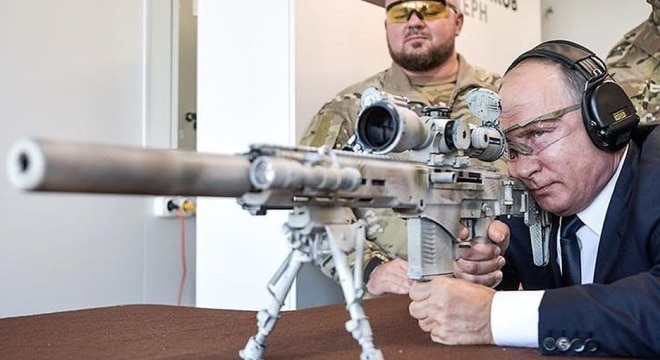
AK-308 assault rifle SV-98 Snipper 
AK-12 
AK-15 
AK-400 
SVDM SV-18 2019 
Lightest machine gun RPL-16 AK-203 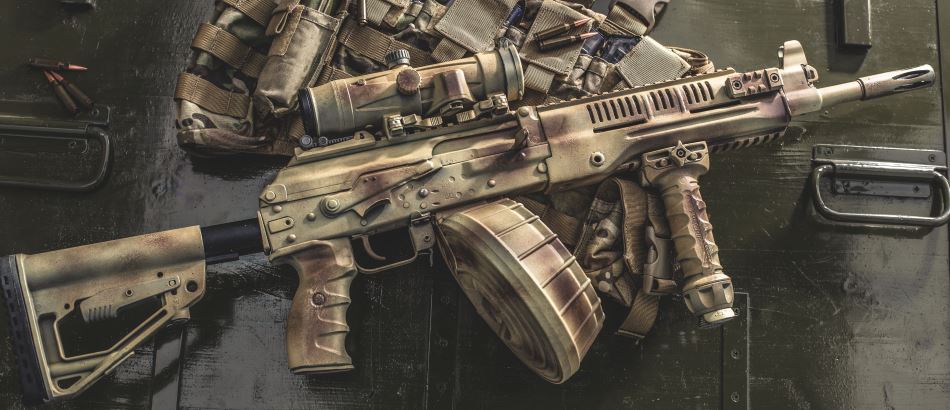
RPK-16 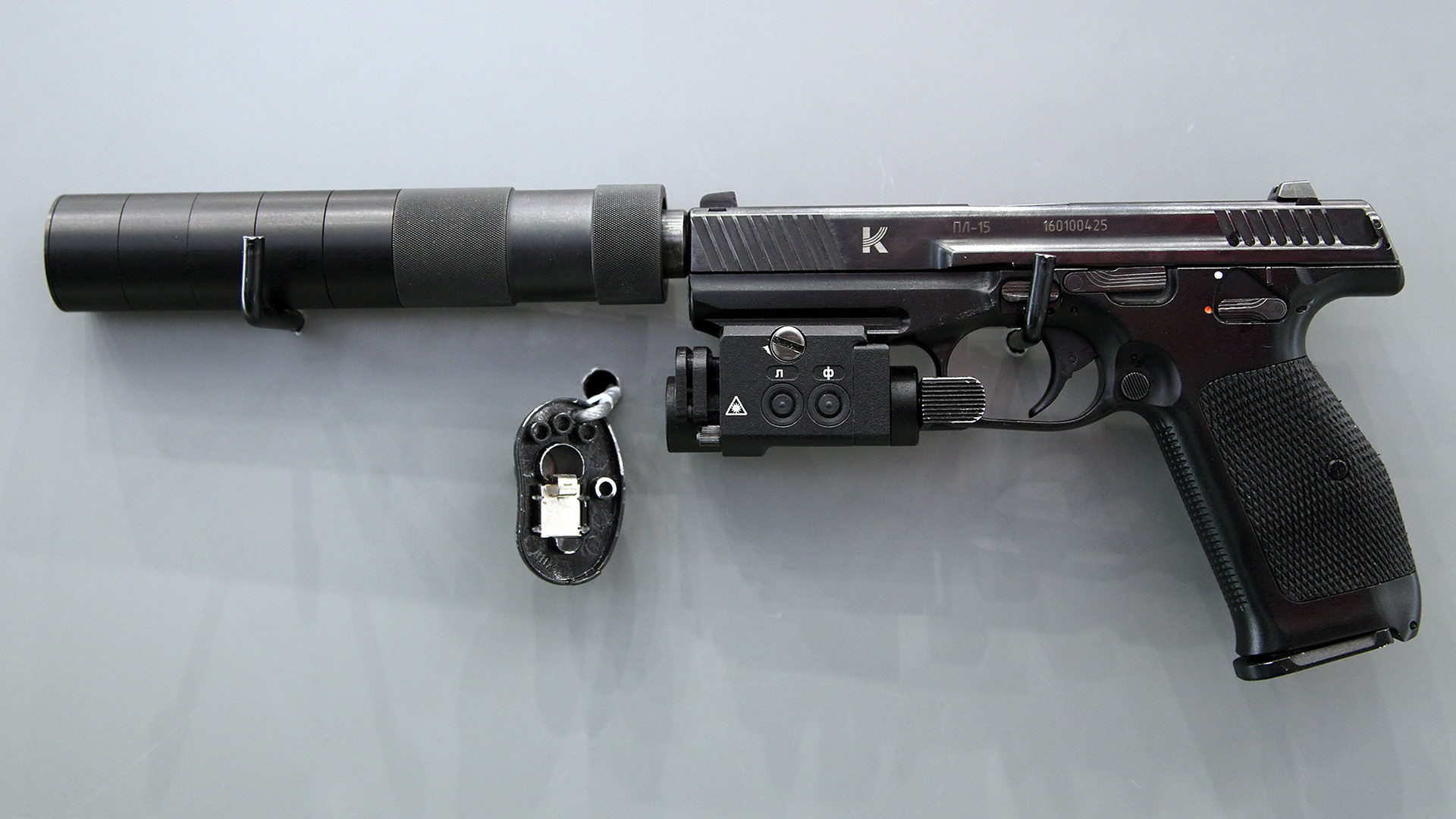
PL-16 AK-47s 
SV-98 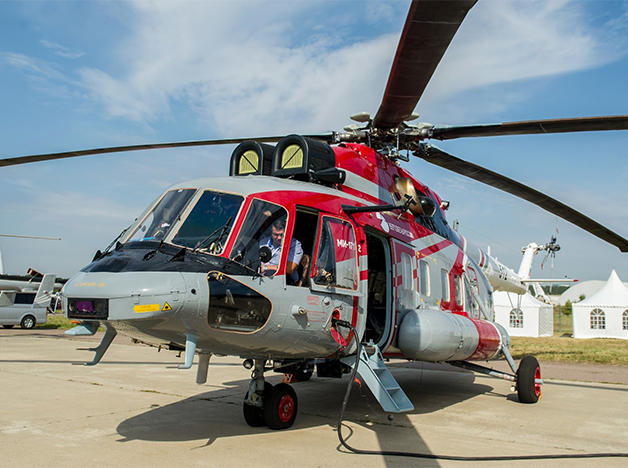
Mi-171A2 Ka-52 Mi-28UB 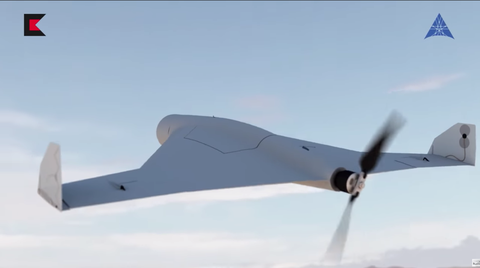
Kamikaze drone -

Vehicle Importers Oppose Uhuru’s Plan To Ban Importation Of Second Hand Cars
On Friday last week, President Uhuru Kenyatta announced that his administration is planning to do away with importation of used cars. A directive that has since attracted vast objection from Nairobi and Mombasa-bases used car importers.
President Kenyatta ascertained his commitment to safeguard local car assemblers against unfair competition and ensure a conducive environment for their businesses.
He instracted Trade and Cooperatives Cabinet Secretary Peter Munya to speed up the National Automotive Policy and submit it to the Cabinet for approval. The head os State added that a new policy to restrict vehicle imports will take effect early next month.
“Cars that are used and assembled in Kenya have grown by 36 per cent. We will see more growth as we go on to implement policies that support the car assembly industry.” CS Munya said.
The President has already directed all ministries, departments and other public entities to give preference to vehicles assembled locally.
“We want Kenyan taxes to be used to buy goods made in Kenya. Even if they want to go to court to oppose the government’s stand, we are clear on our agenda to ensure all those who invest in the country get value for their money.” President Uhuru said.
The Preaident was speaking this when he commissioned the Sh1 billion Toyota Hilux pickup truck assembly line at Associated Vehicle Assemblers (AVA) in Miritini, Mombasa.
Car Importers Association of Kenya (Ciak) has opposed the move, asserting that the car-importing business is an economic backbone for over 2.5 million people.
“As a country, we should not cheat ourselves when it comes to manufacturing and assembling. The person doing assembling of motor vehicles is not a manufacturer; this is just an assembler, meaning that the parts are made somewhere else and even the painting has been done.” said Ciak chairman Peter Otieno.
Peter Otieno accused assemblers of banking on tax-free incentives to make a profit.
“So they come in parts for fixing to become a vehicle, that is not manufacturing but mere assembling, which hires very few people. The government should instead bring it up clearly that this is competition. If they are going to assemble vehicles at better rates, then people will opt for them, we don’t feel any threat. Let us do our business and let assemblers do theirs, this is good competition and it should be left open. Let people not be coerced to buy locally assembled vehicles; let the willing buyer, willing seller rule take its course,” he said.
Mr Otieno challenged assemblers to reveal where they source local content.
“Who are supplying them with nuts, brake pads, springs, locks, mats and such like things?Everything used in those motor vehicles must support local industries by using local content. Second-hand vehicles create jobs in local garages and incomes which are taxed by the government, we are not doing an illegal business, let us do healthy competition.” He stated
According CIAK Data, Kenya imports about 7,600 second-hand vehicles per month while locally assembled vehicles records 430. According to Otieno, Ciak imports 120,000 to 130,000 vehicles per year.
Dennis Awori, Toyota Kenya chairman said that popularity of Hilux pickup led to the setting up of a local assembly line.
“The pickup is affordable, especially for start-ups, and can be used for both personal commuting and commercial purposes,” he said.
Currently, Kenya has three assembly plants, AVA in Mombasa, KVM in Thika, and Isuzu EA in Nairobi. Toyota Kenya assembles 300 Hino trucks, 500 Land Cruiser pickups and 3,000 Yamaha motorcycles annually according to their records.
-

KPA MD Manduku Swallowed In A Sh6B Tender Scandal
Kenya Ports Authority has lost over sh6 billion in the past one year and DCI sleuths are on their necks.
According to DCI, the rehabilitation of Kisumu Port has seen the coffer lose sh2.5 billion.
On August 22, Transport and Infrastructure Cabinet Secretary James Macharia wrote to Director of Criminal Investigations (DCI) George Kinoti asking him to commence investigations in to the allegations of fraud at the parastatal.
DCI director would later on August 29, write back to the CS complaining that his detectives are being frustrated by top Port officials.
DCI director through a letter, he recommended the CS to take administrative measures that will see top KPA officials removed from the office since they are suspected of hoarding documents and intimidating potential witnesses.
In the letter from DCI to the CS, Kinoti singled out KPA managing director Daniel Manduku, who was appointed to the position barely eight months ago, for interfering with exhibits and witnesses.
“The allegations disclose wide-ranging fraud and theft running into colossal amounts,” said Mr Kinoti in his letter to CS Macharia.
CS Macharia will, according to the letter from DCI, now be forced to instruct the board of KPA, whose chairman is the former Chief of Kenya Defence Forces Gen (Rtd) Joseph Kibwana, to make sure Dr Manduku and other top managers are off from their posts.
Dr Manduku is not the only one on the frying pot, investigators have also demanded that six other top managers at the institution be forced to step aside because other than being prime suspects, they occupy offices in which critical evidential material are domiciled.
Dr Manduku, an architect by profession was appointed head KPA in May in acting capacity after Ms Catherine Mturi-Wairi was sacked over inefficiencies at the port.
Before the appointment, Dr Manduku was the CEO of the National Construction Authority (NCA). He was confirmed to the post in November amidst protests by the local community that one of their own should have replaced Ms Mturi-Wairi.
“The Managing Director has scheduled a meeting with all Heads of Divisions and Heads of Department on Monday September 9, at 7:30 am at the New Conference room,” read the email from his PA Maureen Kimani.
According to media sources, the genesis of Dr Manduku’s trouble is the rehabilitation of the Kisumu Port which began in May at a projected cost of Sh3 billion.
According to Raila Odinga, the brains behind the rehabilitation of the port, the project is expected to increase maritime business and travels between the East African Community member countries as well as uplift the stature of Kisumu City.
So far, President Uhuru Kenyatta has toured the port 3times indicating that the project has high political pillars involved in and the impromptu tours could have been the eye opener to possible graft that could taking place in the project.
According to media sources who accompanied the President during his last impromptu visit to the project on July 6, while on his way back from a private visit to Tanzanian President John Magufuli, stated that President Kenyatta took issue with the slow pace and ordered the engineers on site to ensure the work is finished by August.
Journalists were locked out of the tour in which the President held a 30-minute closed-door meeting with engineers from Kenya Navy and officials from the KPA and Kenya Railways Corporation.
At some point, according to media sources, President cussed Dr Manduku for the slow pace of works and what he saw as needlessly high cost of some of the rehabilitation works being undertaken at the port facility.
“He was surprised when he heard that KPA had budgeted Sh2.5 billion for concrete works yet the contractors told him they were to be paid Sh600 million for the whole project,” a media source who was in the private meeting said.
The President then directed the NYS, Kenya Navy and the Kenya Prisons to take control of the project.
After which, The revised budget by NYS for the concrete works came to Sh120 million.
“I want to tell you that even those of you here at the port, we are monitoring and watching. We know the money you wanted to spend there and the amount we have spent, as well as the amount you intended to spend,” President said.
Inflation of bills of quantities for concrete and electrical works is one of the biggest corruption conduits at KPA. One of the KPA general managers has thrice brought up the issue in the executive committee meetings but has been dismissed offhand, according to media sources.
DCI is also investigating concrete works running into over Sh1 billion at a yard in Nairobi’s Makongeni area. KPA wanted to lease the yard from Kenya Railways for expansion but KPA proceeded to spend colossal money on it even before the lease could be agreed upon.
On Thursday, Kenya Railways acting Managing Director Philip Mainga, while recording statements with the investigators, denied ever leasing the yard to KPA.
“Kenya Railways has told us there was a discussion to lease the property to KPA but that process hasn’t taken place yet. So it would appear KPA managers were just looking for ways of spending money. It’s a scandal of monumental proportions,” a source in the investigations team told the media.
In his fiery speech in Mombasa last week, the President took a swipe at top port officials for frustrating his signature project, the Standard Gauge Railway, by starving it of cargo business.
According to the media, KPA officers were slowing down the clearance of cargo in order to create an artificial congestion so that containers being offloaded from ships can be diverted to Container Freight Stations in Mombasa, which are owned by a few wealthy cartels.
“We know what you are planning — slow down things so that the cargo goes elsewhere,” the President said.
KRA has been complaining of dipping revenues at the port in recent times and on Friday Acting Finance CS Ukur Yattani and KRA Commissioner General Githii Mburu addressed the KPA management over the issue.
Investigators from DCI will also be probing why KPA, which is one of the most profitable parastatals in the country, overran its budget by Sh2.3 billion in the 2018/2019 financial year, without the approval of the board.
DCI was tipped off by board members that so far KPA has overran its first-quarter budget by Sh800 million.
Dr Manduku’s tribulations were compounded by a whistleblower within KPA who wrote to investigative authorities about alleged plunder at the institution, ostensibly at the behest of the MD.
On July 16, Mr Joseph Patterson Okakho, who was the former acting head of ethics and integrity at KPA, wrote to DCI Director detailing his tribulations at the hands of Dr Manduku after he queried the integrity of a number of contracts awarded by the company.
“Briefly, problems started in May 2018 after Dr Manduku took over as acting Managing Director at the Kenya Ports Authority,” said Mr Okakho in his 18-page statement.
According to the whistleblower, as soon after the MD was appointed, former Transport Principal Secretary Prof Paul Maringa instructed him to quickly bring Dr Manduku up to speed on the importance of corruption prevention at KPA.
“My encounter with the acting CEO was very brief – less than two minutes. I had organised a briefing of 20 minutes, but he only gave me less than two and showed little interest in anti corruption,” Akakho said.
In the letter, Okhako said his open work led to his falling-out with Dr. Manduku who punished him for leaking company secrets by first demoting him and transferring him to the Kisumu Inland Container Depot as principal officer.
He said he detected a breach of policies and regulations as early as the July-to-November 2018 quoting one instance, that is, in October 2018 he declined a training programme on procurement suggested by private consultants and which the MD had approved.
“This would have cost between Sh12 million and Sh14 million in travel expenses, accommodation and tuition fees for over 64 members of staff, “said Mr Okako.
He added that the training had not been budgeted for by KPA and was not captured in the KRA training needs analysis.
Okako stated that he did not have peace as the head of ethics and integrity since then and was allegedly accused of sharing information with the DCI and the anti-corruption agency.
“These accusations…started immediately after I intervened and stopped that particular training expenditure. MD became very uncomfortable with me.” Okako said.
Okako said that he set meetings with board chairman Gen (Rtd) Kibwana to register his concerns over the CEO’s disinterest in corruption prevention.
“However, I did not get any help from the chairman of the Board despite many questions I raised with him,” he said.
Okako has raised queries on 12 projects that KPA was undertaking but which he thought had not followed the law. Mostly, he was not given answers and this set him on a collision course with Dr. Manduku.
The manufacturing of 10,000 block barriers at a cost of more than Sh650 million is one of the projects in question. The tender was awarded to seven companies, and each was supposed to supply 1,380 barriers each at a cost of Sh94 million.
“The question is why so many barriers? What are they for? Where are we going to use all these barriers? If we wanted all those barriers, why did we split the tender?” Mr Okakho posed in his statement to the police.
In a letter to DCI Kinoti dated August 19, Mr Okakho said the MD had personally threatened him with dismissal if he continued giving information to investigative agencies.
“On August 12, I got a WhatsApp call from the MD himself. The call was short and threatening
“…..what is this report I hear you filed with DCI and EACC? …..I don’t want to hear about reports being made outside KPA…, you stop what you are doing or I will have you sacked.” Okakho said
Two days later, Mr Okakho was called to appear before a disciplinary committee over his alleged misuse of social media platforms.
Mr Okakho declined to attend the disciplinary hearing and instead appealed to the DCI for protection, which prompted Mr Kinoti to write to CS Macharia to take administrative action against Dr Manduku and other senior officials.
-

Full List Of President Uhuru’s Appointments
President Uhuru Kenyatta, in a gazette notice dated May 3, 2019 had appointed and reappointed key figures to and from his government.
Here’s the full list of the appointments
Dennis Waweru has been appointed non-executive chairman of the Kenya Investment Authority.
Jamleck Kamau has been appointed as chairman of Tana and Athi Rivers Development.
Dan Mwanzo to head Kenya Ferry Services.
Jebii Kilimo has been appointed chairperson to the trustees of the Street Families Rehabilitation Trust Fund.
Julius Malombe has been named chair of the Kenya Water Towers Agency.
Nicholas Gumbo is now the chair of the Kenyatta National Hospital board.
Elias Mbao will head the NEPAD/APRM Kenya Governing Council.
President Kenyatta’s brother-in-law Victor Pratt has been re-appointed as chair and member of the Retirement Benefits Authority.
Franklin Bett is the chair of the Agricultural Finance Corporation.
Baringo Senator Gideon Moi’s wife Zahra as a member of the Tourism Research Institute.
Michael Bowen – Chairman of the Industrial Development Bank (Capital).
Abdirahiman H. Abdi – Chairman of the Board of Directors of the Insurance Regulatory Authority.
Robin Achoki – Non-Executive Chairperson of the Kenya Plant Health Inspectorate Service (KEPHIS) Board.
Angeline Yiamiton Siparo – Non-Executive Chairperson of the National AIDS Control Council.
Sam Kona – Chairman of the National Council for Population and Development Board.
Ignatius Kahiu Chairperson of the New Kenya Co-operative Creameries Limited Board. (The appointment of Eliud Matu Wamae* is revoked.)
Karanja Mburu (Eng.), Abdalla Gonzi, – members of the LAPSSET Corridor Development Authority Board.
Joshua Toro – Chairperson of the National Irrigation Board. (The appointment of Mudzo Nzili* is revoked.)
Elizabeth Pantoren (Prof.) – Chairperson of the Board of the Nyayo Tea Zones Development Corporation.
Francis Kuria Gatonye – Chairperson of the Pest Control Products Board.
Jane Karuku – Chairperson of the Kenya Vision 2030 Delivery Board.
Josiah Magut – Chairperson of the Bomas of Kenya Board.
Mary Mbilo Khimulu – Chairperson of the Board of Directors of the Regional Centre on Groundwater Resources Education, Training and Research in Eastern Africa.
Mutuma Mathiu – Chairperson of the Kenya Copyright Board.
Gituro Wainaina – Chairperson of the Kenya School of Government.
Deborah Bubi – Non-Executive Chairperson of the Youth Advisory Board.
Muragu Kinandu (Prof.) – Chairperson of the Board of the Bandari Maritime Academy.
Mohamed Liban – Chairperson of the Ewaso Ng’iro North Development Authority.
Jackson Selela Ole Mwanik – Chairperson of the Ewaso Ng’iro South Development Authority.
Dorothy Ghettuba Pala – Chairperson of the Kenya Film Commission.
Francis Baya – Chairperson, Kenya Literature Bureau.
George Baker Bebora – Chairperson of the Kenya National Library Services Board.
Mwambu Muliro – Non-Executive Chairperson of the Kenya Utalii College Council.
Cavince Odoyo Owidi – Chairperson of the Lake Basin Development Authority.
Joyce Ngugi – Chairperson of the National Council for Children Services.
Misigo Amatsimbi – Non-Executive Chairman of the Board of the Kenya National Commission for UNESCO.
Mwambu Muliro – Non-Executive Chairperson of the Kenya Utalii College Council.
John Ondigo Onsati – Chairperson of the Kenya National Examinations Council.
Richard K. Lagat – Non-Executive Chairperson of the Tourism Finance Corporation Board.
Alphonse Kioko – Chairperson of the Tourism Fund Board.
Jimmy Kariuki – Chairperson of the Kenya Tourism Board.
George Baker Bebora – Chairperson of the Kenya National Library Services Board.
Thomas Koyier, Martin Mugambi Mithega, Charles Kipkulei, Monica Nyambura Mucheke, – members of the Insurance Tribunal.
Elias Mbao, Michael Muia Kiswili – members of the NEPAD/APRM Kenya Governing Council.
Muthoni Gichohi – Chairperson of the Retirement Benefits Appeals Tribunal.
James Mamboleo, Gideon Solonka, Wangechi Gikonyo, Veronica Soila, Leseya Owede, Members of retirement Appeal Tribunal.
Richard Kiplagat – Chairman of the Board of the Unclaimed Financial Assets Authority. (The appointment of Ngeny Biwott* is revoked.)
Jacqueline Oyuyo – member of the Board of the Unclaimed Financial Assets Authority.
Lucy Kambuni – Chairperson of the Capital Markets Tribunal.
Rose Nkonge – Chairperson of the Anti-Money Laundering Advisory Board.
Wambua Kilonzo – Chairman of the Insurance Tribunal.
Destaings Nyenyi Nyongesa, Kimani Muhoro, Valentine Mwende, Becky Mogire – members of the Competition Tribunal.
Anthony Maina Macharia, Kennedy Nyankieya Nyamweya, Karen N. Kandie, Laila Macharia – members of the Capital Markets Tribunal.
Christine Okoth, Peter M. Mungai – members of the Board of the Capital Markets Authority.
William ole Mayiani, Jeridah Bosibori Mbaka – members of the Board of the Kenya Airports Authority.
Mbatia Kimani – member of the Board of the Kenya Airports Authority.
Major (Rtd) Nishit Dhanvantrai Maru, Catherine Juma, Duncan Ndegwa Maasai, Captain Ahmed Mohamed Ali – members of the Board of the Bandari Maritime Academy.
Arch. Jerry Magutu (Prof.), Habil Olaka, Patricia Nyambura Gathuri, Caroline Armstrong – members of the Board of the National Housing Corporation.
Salome Kimata – member of the Board of the Kenya Institute of Mass Communication.
Ismail Gulum Dhora, Ken Waibochi, Pamela Tutui, Caroline Wangui Kariuki, Kaburu Mwirichia – members of the Board of the Konza Technopolis Development Authority.
Mike Rubia, Fred Gachie Ng’ang’a, Munyua Waiyaki, Simon Kiuta, Pauline Muthangani – members of the Board of the Postal Corporation of Kenya.
George Baker Bebora – member of the Kenya National Library Services Board.
Wahome Gitonga – member of the Board of Kenya Pipeline Company Limited.
Bernard M. Ngore – member of the National Standards Council.
Elephas K. Gikungi – member of the Board of Directors of Kenya Industrial Property Institute.
Maj. Rtd. Hussein Abshiro Herin, Kaberi Limukii (Dr.), Nyawira Ophelia Njeru – members of the Kenya Industrial Research and Development Institute.
Andrew Gichamba Muigai (Eng.), Rahab W. Lanoi – members of the Kenya Industrial Research and Development Institute.
Peter Mathuki – member of the Board of the Kenya Investment Authority (The appointment of Washington Makodingo (Dr.)* is revoked.).
Mark Robert Stephenson – member of the Board of the Kenya Leather Development Council.
Joseph Samai Lomwa, Billy Baltazaar – members of Micro and Small Enterprise Authority.
David Maina Kamiru, Albina Kesorio – members of the New Kenya Co-operative Creameries Limited Board. ( The appointment of Ignatius Kahiu (Dr.) * is revoked.)
Pauline Mudesh, Brown Murungi Kairaria, Wycliff Swanya, Brettah Muthuri – members of the Industrial Property Tribunal.
Margaret Rigah, Peterson Mwai, Halima Ali Omar, Francis Gitari – members of the Board of Industrial and Commercial Development Corporation.
Bernard Muteti Mungata – Chairman of the Board of Industrial and Commercial Development Corporation.
Samuel Kamau – member of the Board of the Numerical Machining Complex Limited. (The appointment of Kamau Gachigi (Dr.)* is revoked.)
David Mutemi Mutui (Amb.), Jane Waroga – members of the National Cereals and Produce Board.
Gakure Munyu – member of the National Irrigation Boar.
Julie Sudi Mwakwambirwa – member of the Board of the Nyayo Tea Zones Development Corporation.
Agnes Moraa Angwenyi, Mwenda Kilemi (Dr.) – members of the Pest Control Products Board.
Leonard W. Kariuki – member of the Pest Control Products Board, for a period.
Franklin Bett – Chairperson of the Board of the Agricultural Finance Corporation.
James Muriithi Kangara, Jane Sirindi Githinji, Ndogo Waweru, Robert Murimi – members of the Tana and Athi Rivers Development Authority.
Emily Kithira Mworia, Nancy Muthoni Njiru, Abdirahman Hassan – members of the National Drought Management Authority.
Stephen Kinuthia, Eunice Ibrahim Sheikh, Judith Kerich, Frida Njeru, Franklin Ndii – members of the Board of Tourism finance cooperation.
Zahra Bahlewa Moi – member of the Board of Tourism Research Institute
Susan Maina – member of the Kenya Tourism Board.
Kenneth Kiptoo Boit, Wangai Wamae – members of the Board of Kenyatta International Convention Centre, for a period of three (3) years, with effect from the 1st June.
Harriet Muiruri – member of the Board of the Kenya Medical Research Institute. (The appointment of Kimeli Chepsiror* is revoked.).
Fredrick Wamwaki – member of the Board of the Kenya Medical Training College.
Robert Mwadime Ngolo – member of the National AIDs Control Council.
Dickon Andala (Dr.), Margaret Mwonjoria (Dr.) – members of the Radiation Protection Board.
Wilfred Lesan – Chairman of the Tobacco Control Board.
Somba Kivingu (Dr.), John Musau, Nancy Gachoka, Lilian Wayua Mbevi, Rogers Senaji Mulemi, Kago Wanjiku Caroline – members of the Tobacco Control Board.
Richard Thuo Kamau, Peris Bitutu Onsarigo – members of the Board of Kenyatta National Hospital.
Eva Njenga – Chairperson of the Board of the Medical Practitioners and Dentists Board (Revokes the appointment of George Albert Magoha*.)
Sammy Latema (Dr.) – Non-Executive Chairperson of the Kenya Forestry Research Institute (KEFRI).
Kevin Kariuki Kihara, Maureen Mwangovya, Anthony Njagi Gitambu, Mohammed Mohamud Ali, Naomi Apali – members of the Kenya Forestry Research Institute (KEFRI).
Robert Mutuma – member of the Kenya Water Towers Agency – members of the Kenya Forestry Research Institute (KEFRI).
Wandia Maina, Hibo Bishar Abdi – members of the Kenya Water Towers Agency.
Peter Waweru Kamaku (Dr.), Susan Musyoka (Dr.), Cyrus Mwaniki – members of the Board of Directors of the Regional Centre on Groundwater Resources Education, Training and Research in Eastern Africa.
Stephen Mnangat Alukureng – member of the National Labour Board (revokes the appointment of Maria Cherono*.).
Peter Muchiri – Chairman of the National Council for Persons with Disabilities.
Pius Wario Tume, Alex Masibo, Grace Mwangi, George Maara, Joseph Mburu Waiganjo – trustees of the Street Families Rehabilitation Trust Fund.
Melissa Ngania, Tusmo Jama, Peter Gathirimu, Justus Toroinet Somoire, Mary Njeri Ndonga (Dr.), Abdulahi Diriye – members of the HIV and AIDS Tribunal.
Caroline Musyoka (Chairperson), James Muriu, Shallah Sheikh, Brian Omwenga – members of the Board of Directors of the Business Registration Service Board
-

JKIA And KBC Risk Being Auctioned
The Kenyan Government risks an auction of key public institutions such as KBC and JKIA if it fails to meet its debt repayment commitments.
Kenya’s current public debt has exceeded the mark set by the Public Finance Management Act. The act allows every government to borrow only up to 50 percent to the GDP ratio.
Kenyan Parliament has now raised red flag over the bloating public debt induced by hefty borrowing. Emgwen MP Alex Kosgey has proposed the amendment of the law to regulate government borrowing. He termed the current debt standing at Ksh. 5.6 trillion as extreme.
Currently, President Uhuru Kenyatta and opposition leader Raila Odinga had a trip to Beijing, China. Government handlers had hinted that the trip aimed at securing another possible loan of up to Ksh.368 billion that had been meant to extend the Standard Gauge Railway (SGR) from Naivasha to Kisumu.
However, President Uhuru Kenyatta on Friday countersigned two project delivery agreements amounting to Ksh.226 billion through a concessional financing and Public Private Partnership (PPP).
But there is a proposal before National Assembly’s Budget Committee that wants government borrowing permanently capped at Ksh.6 trillion.
Speaking before the committee, Sigowet Soin MP Mr. Koros said that Kenyans should not allow a state whereby the Treasury or the Presidency or anyone to just decide they want to borrow this much yet mwanachi is already over-strained by the current public debt.
Also Read:
According to Treasury, as at December last year, the public debt stood at a outrageous Ksh.5.3 trillion, with that amount expected to hit a record high Ksh.6.3 trillion by this year.
With China being the top lender, the Kenyan taxpayers are sweating to repay the Chinese government Ksh.637 billion with interests accumulated.
Kenya owes Japan and France a staggering Ksh.166 billion, with that amount even higher when all the interests are accumulated. This even as Germany, Italy, Belgium, USA and Finland are all training their eyes on Kenyan taxpayers to pay back their Ksh.63 billion.
Already, the government has listed three non-performing loans including Ksh.7.9 billion by the State Broadcaster KBC, Tana & Athi Rivers Development Authority’s Ksh.1.2 billion loan as well as the East African Portland Cement that has a loan of Ksh.1.5 billion.
These institutions now stand at a risk of facing auction should the government fail pay back the various debts.


