Elon Musk, tech billionaire appointed by US President Donald Trump to oversee government efficiency, warned that Washington risks losing the next war unless its weapons programs are completely overhauled, calling for “immediate and dramatic changes” in military strategy.
“American weapons programs need to be completely redone,” Musk said Thursday on X. “The current strategy is to build a small number of weapons at a high price to fight yesterday’s war. Unless there are immediate and dramatic changes made, America will lose the next war very badly.”
Musk’s comments followed the release of his August 2024 interview at the West Point US Military Academy on Thursday, where he discussed the future of warfare, emphasizing the transformative impact of artificial intelligence (AI) and drones.
AI, drones reshaping modern warfare
In the interview, Musk stressed that countries often prepare for past conflicts instead of anticipating future threats. He cited World War I tactics resembling those from the Napoleonic era as an example. “It’s hard to change,” he said, urging a shift in mindset to adapt to evolving warfare dynamics.
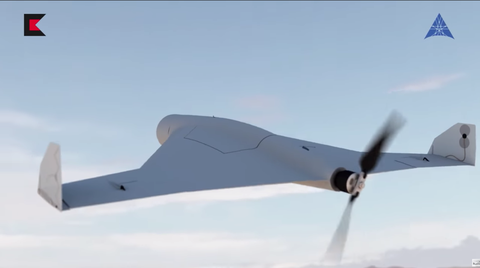
He identified AI and drones as the most significant forces in modern conflict. “The current war in Ukraine is very much a drone war already,” Musk noted, stressing that future battles will likely rely on unmanned systems, making front-line deployments too dangerous for humans.
Musk also criticized the US for its slow drone production rate, despite technological advancements. “I think that’s going to be the biggest challenge, … it can scale but it is not currently scaling,” he said, predicting that human-piloted fighter jets are nearing obsolescence.
AI risks, ‘Terminator’ scenario
While advocating for AI in military operations, Musk expressed concerns about its risks, referencing the “Terminator” scenario. “I do worry about the existential risk of AI,” he said, cautioning against unchecked development of autonomous weapons.
Musk, the owner of X, Tesla, and SpaceX, also underscored the importance of secure space-based communications, such as his own satellite internet constellation Starlink, for modern warfare, and emphasized that new technologies must be rigorously tested before widespread deployment.
Musk highlighted curiosity as the most vital trait for future military leaders, encouraging continuous learning and critical thinking to navigate the complexities of modern warfare.
According to reports by British media, senior British soldiers have been accused of initiating new recruits deployed at the Nanyuki military base in Kenya into having unprotected sex with prostitutes as part of hazing, thus exposing them to sexually transmitted infections.
The new recruits are reportedly subjected to an initiation process where they must decide whether to use a condom or not by flipping a coin.
‘The more senior soldiers would flip a coin – heads you could use a condom, tails you could not,” the report detailed, citing findings from the British Medical Journal Military Health.
The report also said that while sexual health guidance is provided on arrival in the East African country, the number of soldiers seeking help for co-morbidities has increased compared to UK-based troops.
The report warned of a growing use of prostitutes close to the British base in Nanyuki, Kenya, with some services even offered at barber shops, as revealed by a senior officer who had gone for a trim.
‘When the haircut was complete, he was ushered towards a back room and shown a number of female sex workers,’ the report said. ‘The barber then asked if he would like any ‘extra services.’
The risk of contracting a sexually transmitted disease from a prostitute cannot only reduce a unit’s operational effectiveness, but also poses a “global reputational risk,” the report, written by the Defense Medical Service, added.
The British Army Training Unit in Kenya (BATUK) contingent in Kenya consists of approximately 100 permanent staff and a replenishing cohort of 280 short-term personnel.
BATUK’s history of sexual misconduct in Kenya
Established in 1964, BATUK is a permanent training base located 200 kilometers north of the Kenyan capital. BATUK has a controversial reputation among Kenyans: soldiers have been accused of rape and murder, and civilians have been maimed by ammunition left on the ground after exercises.
In March 2020, over 650 British soldiers were allegedly confined to their barracks in Nanyuki after several troops were feared to have contracted HIV from local prostitutes.
The report was revealed by The Mail on Sunday which claimed that up to 100 British army personnel were involved with prostitutes who set up makeshift brothels near their base in Laikipia County.
The soldiers, of the 3rd Battalion, the Parachute Regiment battlegroup, were in Kenya taking part in Exercise Askari Storm.
The troops had participated in a simulated rescue of up to 400 people in mock crisis which involved parachuting into Mt Keny National Park.
The soldiers are said to have sought the services of the prostitutes based in Nanyuki town after they were granted leave.
After their night of romp with Kenyan sex workers, The Mail on Sunday said that at least 30 soldiers sought medical advice, saying they feared they may have contracted HIV or sexually transmitted infections because they had unprotected sex.
Infuriated, their commanding officer is said to have put them on lockdown until they returned to Britain.
In a separate case, a British soldier was fined and discharged after confessing he had lifted the skirt of a Kenyan woman in a mall in Nanyuki.
The Sunday Times, a British newspaper revealed the soldier, a colour sergeant or equivalent rank of a warrant officer, was drunk and the woman was known to him.
The paper identified the soldier as a Colour Sergeant Barlow and said the information about the woman’s humiliation emerged only last week.
He pleaded guilty to sexual assault, was fined £500 (Sh82,171) and was dismissed from the military.
“It is understood that Colour Sergeant Barlow lifted the skirt of a Kenyan woman, whom he knew, in a shopping mall in Nanyuki while intoxicated. He pleaded guilty to sexual assault and alongside dismissal was served with compensation order of £500,” the paper reported.
This revelation followed hot on the heels of a blockbuster report of yet another British soldier who allegedly killed a Kenyan sex worker in Nanyuki in 2012. It is reported that he posted about it on Facebook, making fun of the crime with seven or eight colleagues.
The soldier is alleged to have killed sex worker Agnes Wanjiru who was 21 at the time, on March 31, 2012, while she entertained him at Lion’s Court Hotel.
Despite the confession of the soldier, there has been no prosecution in this murder.
BATUK’s environmental atrocities
The prominent revelation of Ms Wanjiru’s murder only adds to the long list of atrocities allegedly committed by BATUK in Samburu and Nanyuki.
The soldiers have in the past been accused of carelessly leaving unexploded ordinances in the unfenced fields of Samburu, killing and maiming herders and their livestock. They have also been accused of rape, murder, assault and environmental crimes.
Rights groups working around the areas where Batuk units train have for years raised concerns about human rights violations.
The British government has twice been compelled to pay millions of shillings to residents. In total, 1,300 people who had been seriously injured or killed by the bombs qualified. The payment was done in 2003 and 2004 after a British law firm, Leigh Day, negotiated the settlement.
When lawyer Martyn Leigh filed the suit, the British MoD denied responsibility for the accidents that killed at least 560 people, mostly children, over 50 years.
Later, defence officials in London agreed to settle the claims without admission of liability on the basis that it did leave unexploded weapons in the training areas, but for the mere fact that it used the unfenced grounds.
In 2003, 230 people were paid Sh450 million for either losing relatives, or sustaining injuries that resulted in disability.
In 2013, Amnesty International (AI) and Impact said at least 650 women had been raped by British soldiers over 35 years (1965 to 2001) in Dol Dol and Archer’s Post and that there was a conspiracy of silence by UK and Kenyan authorities.
“Despite the many complaints, Kenya and the UK failed to take effective measures: to investigate such claims, bring the alleged perpetrators to justice, ensure adequate reparation for the victims and prevent further attacks,” AI said.
Samburu women who claimed to have been raped and even impregnated by the soldiers have, however, never received compensation. They risk never receiving any, following the passing of UK’s Overseas Operations (Service Personnel and Veterans) Act 2021, which took effect in April.
The Act, which was effected in April the same year, introduced a statute of limitation – five years – beyond which no prosecution is possible.
On July 27 2021, Defence Secretary Monica Juma and her UK counterpart, Ben Wallace, signed the new Defence Cooperation Agreement (DCA) in London.
It contains details on the jurisdiction, environmental and civilian protection, importation of ordnance, conducts of the visiting nations’ forces pertaining to sexual exploitation of women and settlement of disputes among others. But still, soldiers go unpunished for crimes they have committed. Some cases are pending at Nanyuki law courts.
Soldiers were blamed for starting a fire that destroyed about 12,000 acres of land at the Lolidiaga Conservancy. “Two months in Kenya later and we’ve only got eight days left. Been good, caused a fire, killed an elephant and feel terrible about it but hey-ho, when in Rome,” a British soldier wrote in a Snapchat post, angering conservationists.
Under the DCA, the UK invests Sh1.165 billion annually and trains about 1,100 soldiers from the Kenya Defence Forces preparing for deployment to Somalia.
The DCA states that the visiting forces shall avoid acts that impact on human health and safety, bans sexual exploitation of children, details on the disposal of arms wastes and the procedures to be taken prior to military training involving live firing in designated training areas.
British troops sparked a major fire in Kenya on 23 March 2021 (Photo: MOD)
The rules of engagement have been similar to those the previous DCAs, yet the rate of prosecution of UK soldiers in Kenya remains very low. On the case of Wanjiku, the then British High Commissioner Jane Marriott said the UK would cooperate with investigators.
“In 2012, the UK’s Special Investigation Branch carried out initial enquiries in Kenya, including providing information about British personnel to Kenyan police. No further requests were received at that time. Following the conclusion of a Kenyan inquest in 2019, we understand that the Kenyan authorities are looking into the murder. We will support that Kenyan police investigation,” her statement read in part.
Parliament Probes abuses by British soldiers in Kenya
In August 2023, The National Assembly launched an inquiry into alleged atrocities inflicted on Kenyans by BATUK based in Laikipia and Samburu counties.
By invoking Article 95 of the Constitution which mandates the National Assembly to represent the people, deliberate on issues of concern to the people and exercise oversight of State organs, the Departmental Committee on Defense sought to assure Kenyans that it would conduct a comprehensive investigation into the alleged malpractices.
Among the allegations being probed include; Ethical breaches related to misconduct, including corruption, fraud, discrimination, abuse of power, and other unethical behaviours.
The committee is also looking into human rights violations including mistreatment, torture, unlawful detention, killings, or any other violations of internationally recognized human rights standards.
BATUK’s operational integrity especially safety protocols, compliance with legal requirements and adherence to established military standards is also under the microscope.
The unresolved murder case of Agnes Wanjiru, the woman allegedly murdered by a British soldier in March 2012, is among atrocities and human rights violations that the Parliamentary Defense watchdog is seeking to probe and seek justice.
The committee has so far received 10 petitions implicating the British Army Training Unit in Kenya.
With no single accused Army officer having been prosecuted in Kenya, perhaps this probe is a God sent opportunity for the victims who have been waiting for Justice to submit their case.
North Korea’s leader has vowed to build an “invincible military” in the face of hostile policies from the United States, according to state media.
Kim Jong-un added that weapons development was for self-defence, and not to start a war.
Kim made the comments at a rare defence exhibition while flanked by a variety of large missiles.
North Korea has recently tested what it claims to be new hypersonic and anti-aircraft missiles.
The South meanwhile has tested its own submarine-launched weapon.
In his speech at the Self-Defence 2021 exhibition held in Pyongyang, which featured an array of military hardware including tanks, Kim addressed the military build-up in the South and said that North Korea did not want to fight its neighbour.
“We are not discussing war with anyone, but rather to prevent war itself and to literally increase war deterrence for the protection of national sovereignty,” he said.
Kim also accused the US of stoking tensions between North and South Korea.
He added that there was “no behavioural basis” to make North Korea believe that the US was not hostile.
North Korea leader Kim Jong-un attends the Self-Defence 2021 exhibition to mark the 76th birthday of the ruling Worker’s Party.
The US under President Joe Biden has repeatedly said it is willing to talk to North Korea, but has demanded Pyongyang give up nuclear weapons before sanctions can be eased. North Korea has so far refused.
North Korea is banned from testing ballistic missiles and nuclear weapons by the UN. It has repeatedly flouted these bans and has been heavily sanctioned as a result.
Last month, the UN atomic agency said North Korea appeared to have restarted a reactor which could produce plutonium for nuclear weapons, calling it a “deeply troubling” development.
North Korea has always maintained that it needs to continue developing weapons for defence.
But observers say it is also being used as a way to rally the impoverished country. North Korea is thought to be in dire economic straits after authorities shut borders to stop the spread of Covid-19.
Crucial supplies like food and fuel have been cut off from China, North Korea’s main political and economic ally.
Russian President Vladimir Putin has today held a conference with all African leaders in what is dubbed as Russia-Africa summit. Putin and AU’s Chair, Egypt President Abdel Fattah el-Sisi are the brains behind the event held in the coastal resort city of Sochi, Russia.
“This is the first event of this level in the history of Russian-African relations, with the heads of all states of the African continent invited, as well as leaders of major sub-regional associations and organizations”, the statement said.
Kenyan President Uhuru Kenyatta is also in Russia for the same meeting as according to the State House, He will have a bilateral talk with Russian President Putin.
Putin led Moscow government is implementing the debt-for-development initiative, which is said to ease Africa’s liability burden. Moreover, Russia has written off well over Sh2 Trillion debt post the Soviet Union.
Speaking before the Russia-Africa Forum that all African leaders have attended in Sochi, Putin elucidated that it is fundamental that Russia- Africa co-operations start on a clean page.
“Let me point out that in the post-Soviet period, Russia canceled $20 billion of African countries’ debts to the Soviet Union. This was both an act of generosity and a pragmatic step because many of the African states were struggling to service those debts,” Putin said.
The debts write-offs is linked to Russia’s arms deals with African Countries. For instance, all the debt written-off relates closely to Moscow’s plan to expand Russian Military tech co-operation.
https://youtu.be/0VrMmfaxd6U
Ethiopia, Madagascar, South Africa, Tanzania, Egypt, Nigeria are said to have already signed and benefited from Russian Kremlin arms deal and military technology.
Picture courtesy.
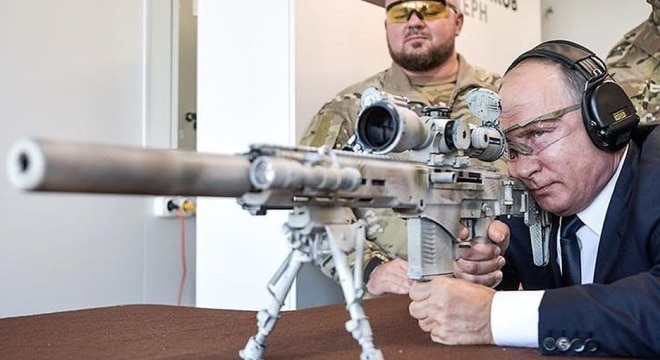
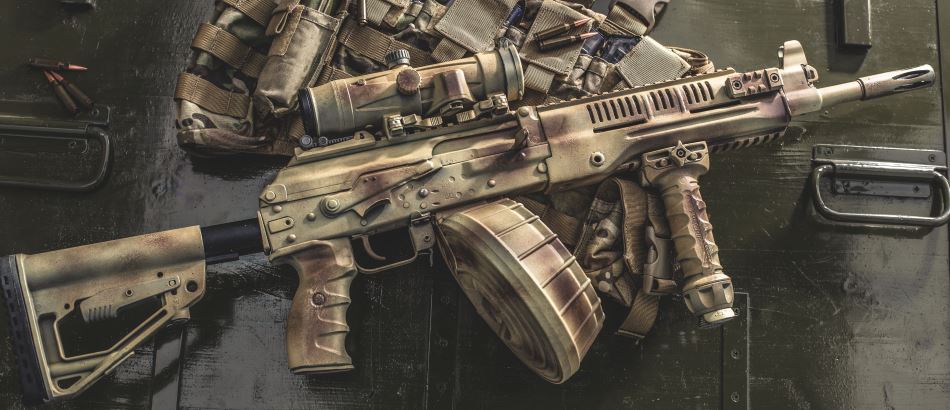
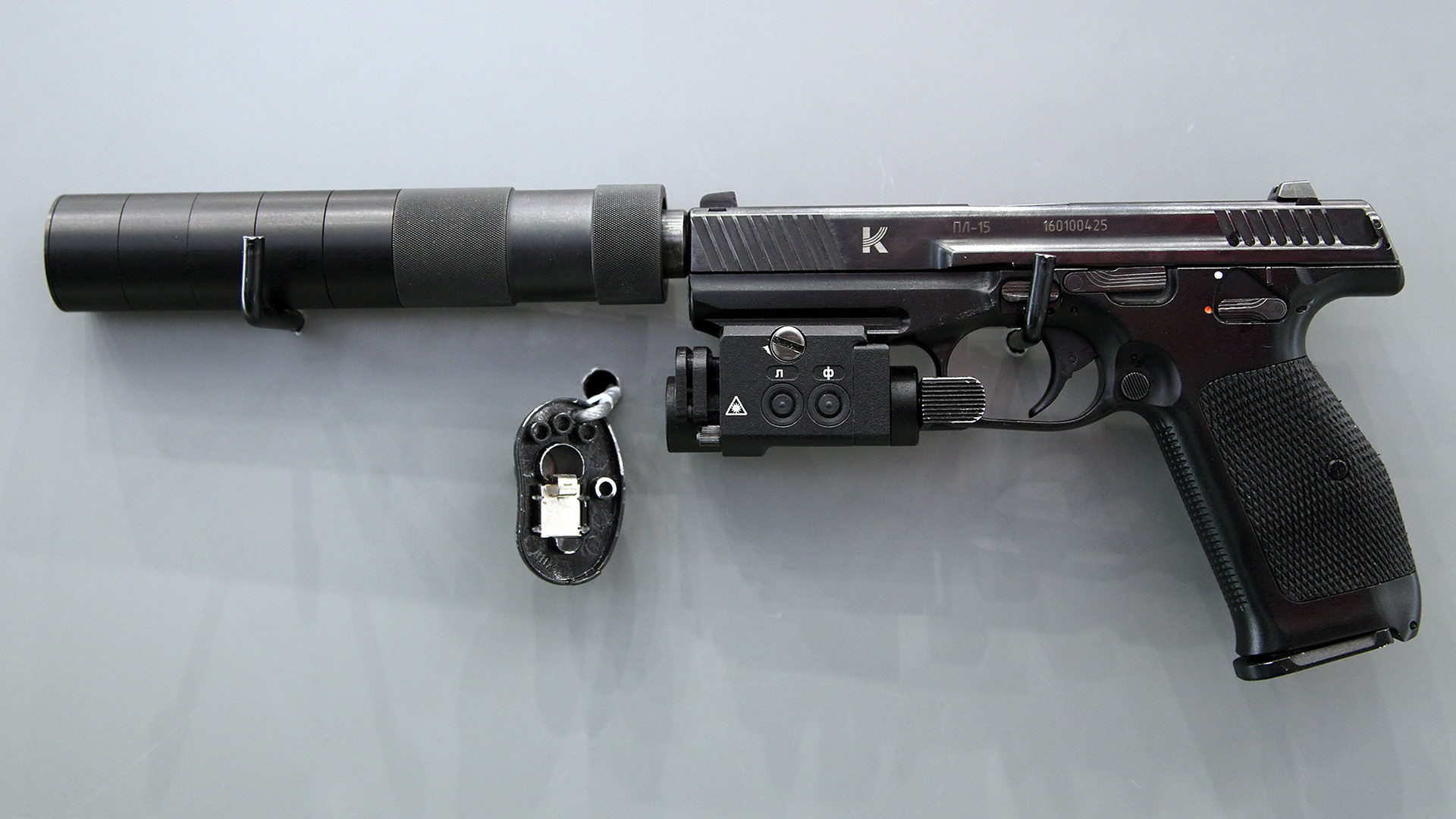
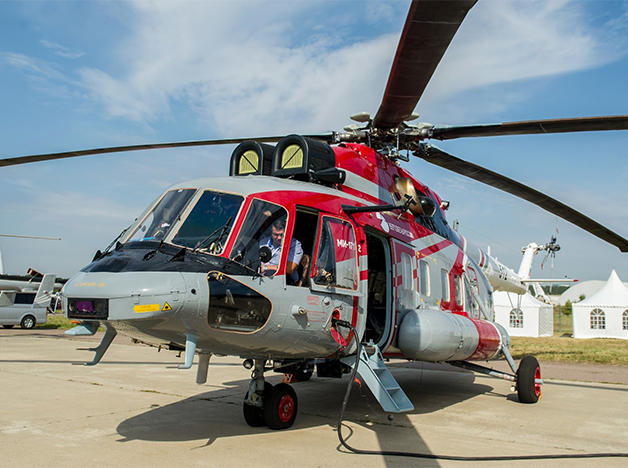
Here are sampled courtesy of Tass pictures of the types of arms and military tech power African countries are said to benefit from.